Barcelona’s climbing boom turns gyms into urban sports hubs
Barcelona’s climbing gyms are becoming everyday fitness venues, drawing beginners, families, and after-work climbers into a fast-growing urban market.
Barcelona’s climbing scene has moved well beyond niche sport
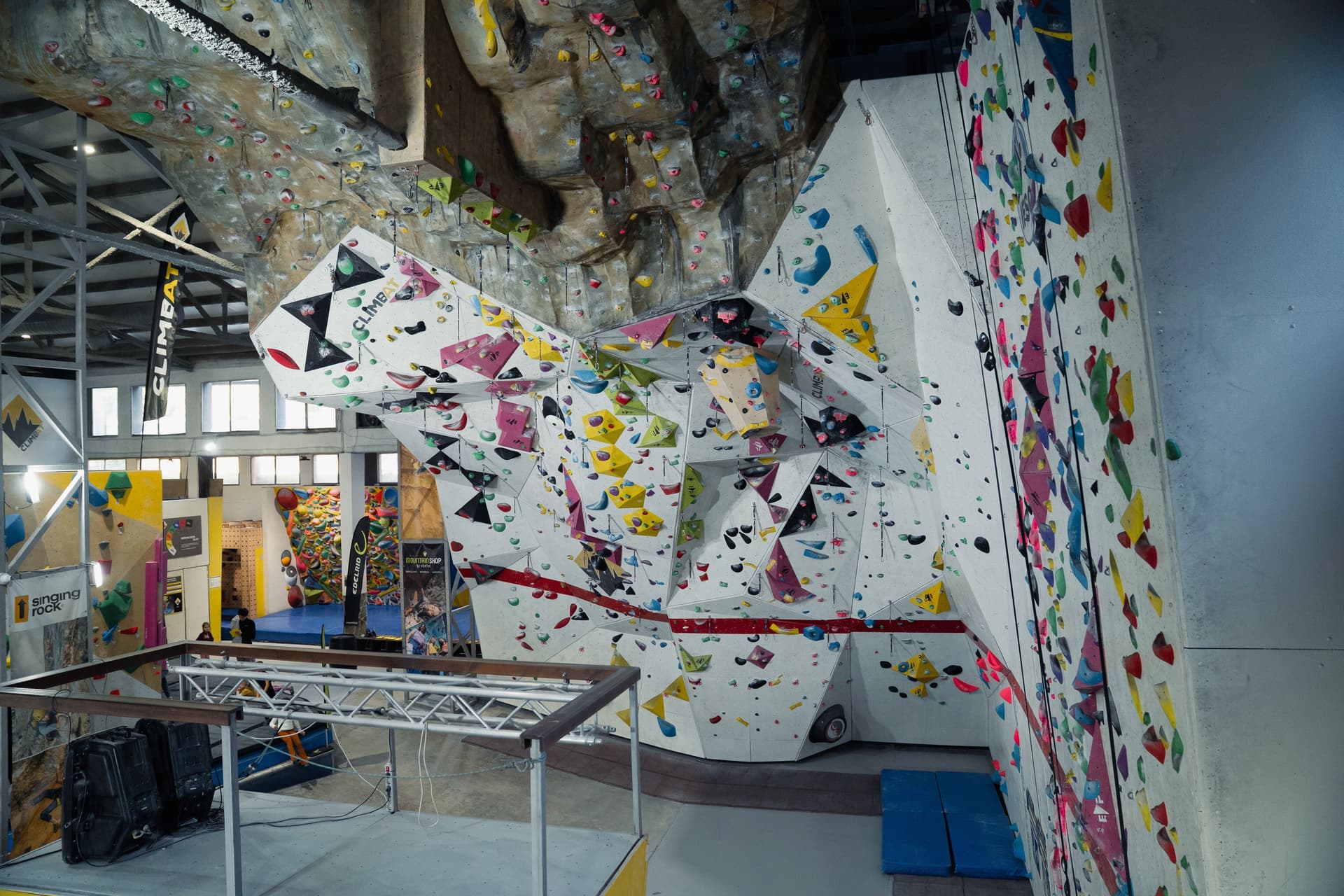
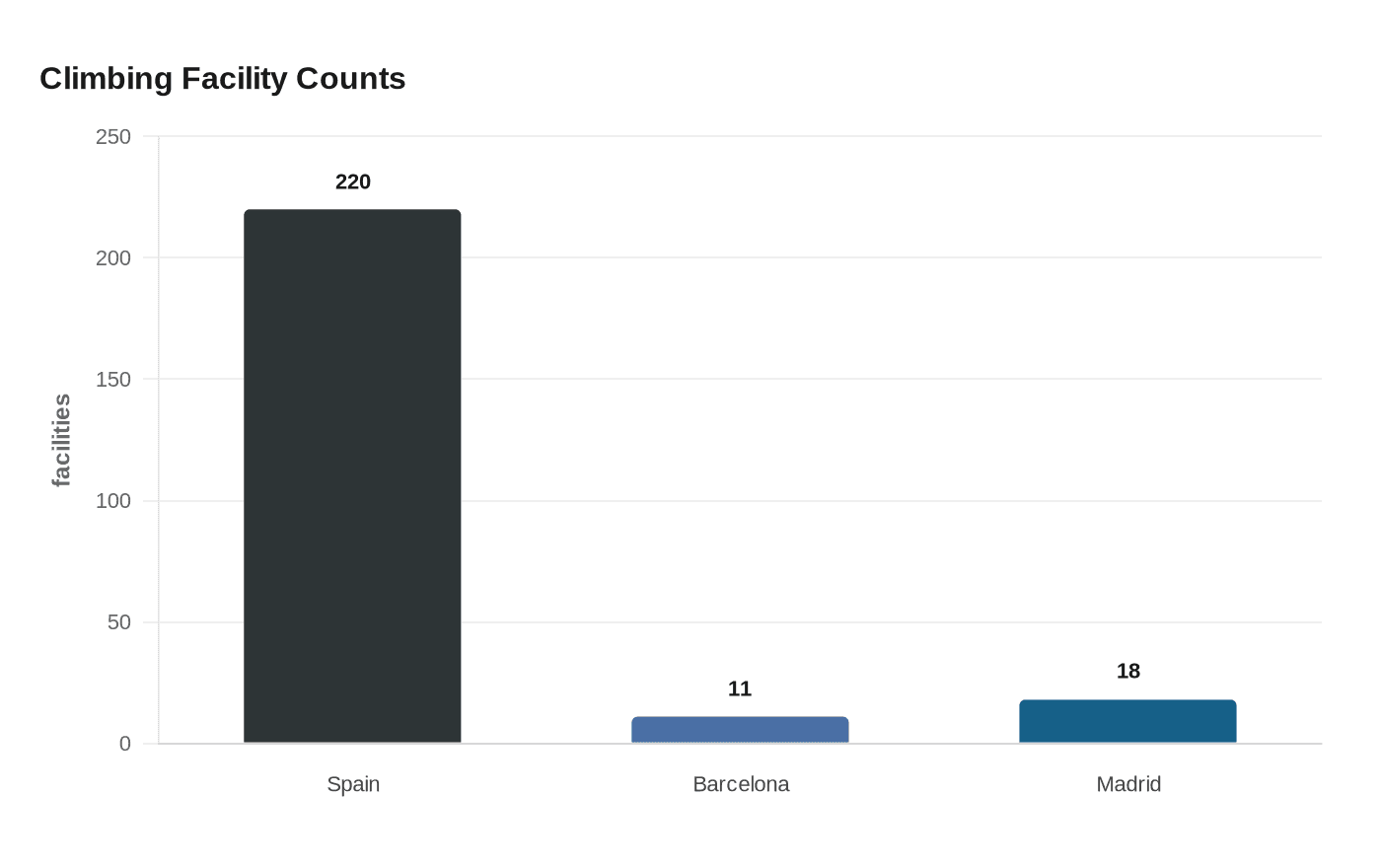
Barcelona is helping turn climbing into a mainstream city habit. Across Spain, more than 220 commercial climbing facilities are now operating, and Barcelona has emerged as the country’s second-largest market with 11 gyms, behind Madrid’s 18. That shift matters because it shows climbing is no longer being treated only as a mountain pursuit. It is being built, marketed, and used as urban sports infrastructure.
The change is especially visible in how these spaces function. Modern climbing centers are no longer just training walls for advanced athletes. They are being positioned as places where recreation, wellbeing, and social life overlap, which makes them easy to fold into the rhythm of city living. In Barcelona, that means climbing is increasingly competing with traditional gyms for time, attention, and membership spend.
The city’s climbing map is concentrated, dense, and easy to reach
Barcelona’s network is not spread thinly across the region. A current city directory lists eight named indoor sites, including 9a Poblenou Climbing, Bloc District in Marina and Tetuan, Climbat La Foixarda, Indoorwall El Clot, Monobloc La Sagrera, Monobloc Sants, and Sharma Climbing Barcelona. That concentration in neighborhoods across the urban core and nearby metro area gives the market a practical edge: climbers do not need to plan a full-day outing to train.
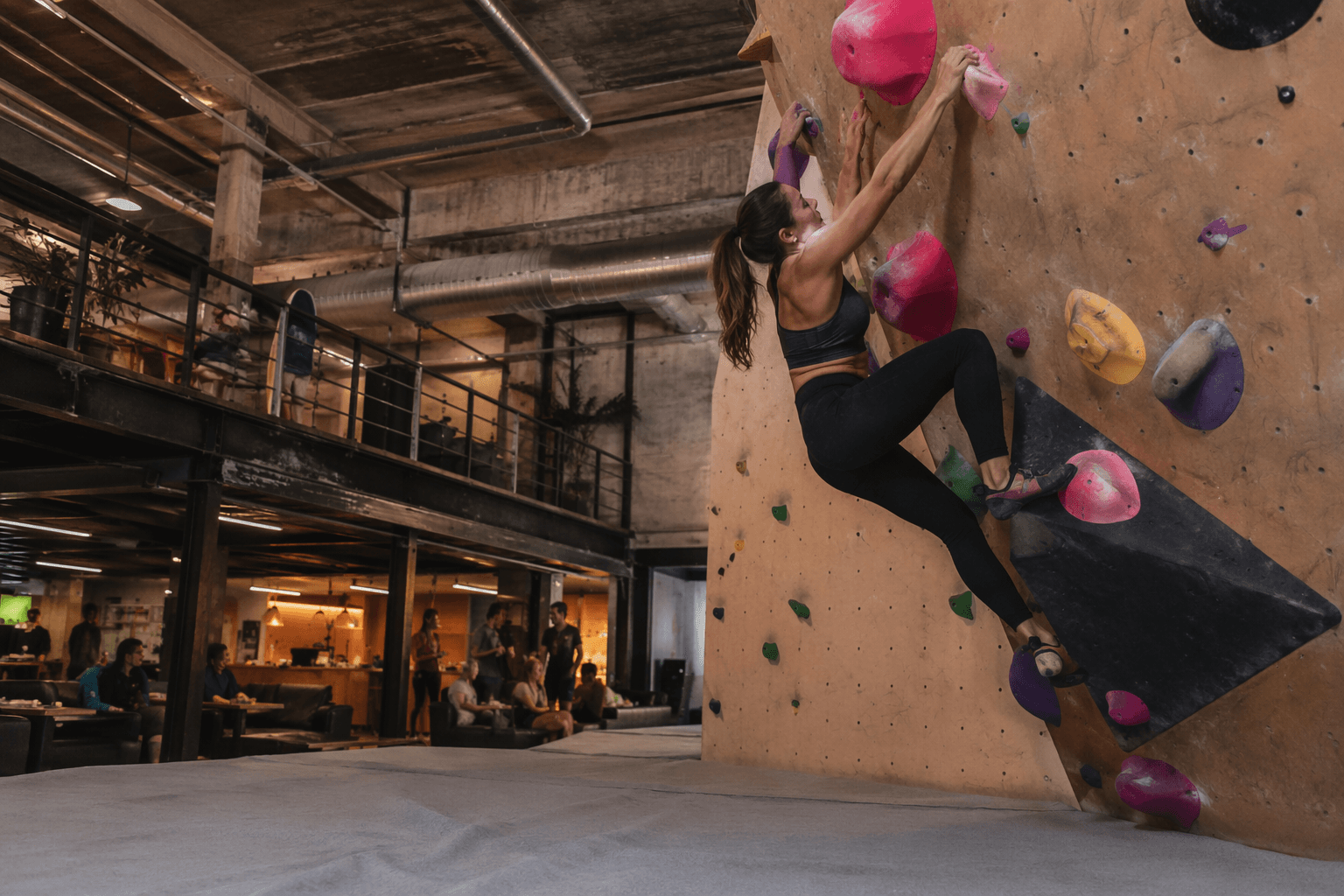
Scale is another reason Barcelona stands out. One city guide says there are at least six indoor gyms with more than 1,000 square meters of climbable surface each, which signals a market large enough to support multiple formats and brands. For users, that means more route variety, more bouldering options, and more chances to find a venue that matches experience level, commute patterns, and training goals.
Barcelona’s geography gives the market a second layer of appeal. City guides point out that climbers can train indoors and still reach outdoor rock near Barcelona the same day, with Montserrat, Garraf, and Els Sumidors all within roughly an hour by car. That combination is unusually powerful: the city can sell both convenience and access to real rock, making indoor gyms a gateway rather than a replacement for outdoor climbing.
Who is driving demand
The growth is being pulled by a broader mix of users than the sport’s old image suggests. Young professionals are a natural fit because the urban locations, after-work accessibility, and social atmosphere make climbing easy to slot into weekday routines. Instead of requiring a long session at a conventional gym, climbing offers a workout plus a community setting, which makes it feel more like a lifestyle choice than a pure training chore.
Families are becoming part of that demand too. Sharma Climbing Barcelona explicitly includes kids’ climbing in its programming, which shows how operators are widening the funnel beyond adult sport climbers. When a venue can serve parents training, children learning, and casual users looking for an active outing, it becomes much more resilient as a business and much more embedded in the city’s leisure culture.

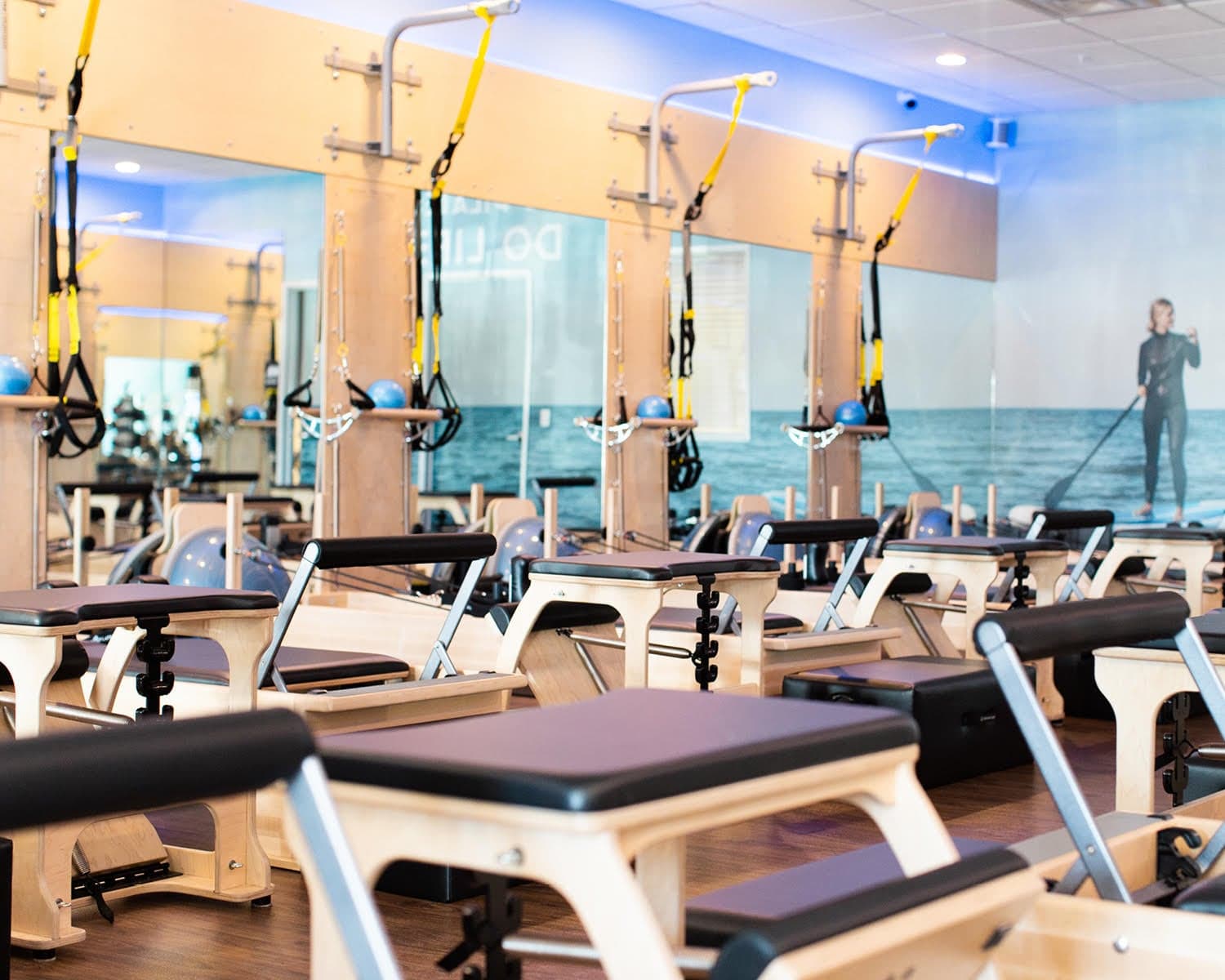
Cross-training users are another important audience. Sharma’s Barcelona center combines route climbing, bouldering, training space, a gym, yoga, and kids’ climbing, a mix that speaks directly to users who want one place to handle strength, mobility, recovery, and skill work. That kind of offer is exactly why climbing is increasingly being seen as a replacement for conventional fitness routines rather than a separate specialty sport.
Why Barcelona is different from another growth city
Barcelona’s position in Spain’s fitness market helps explain why it has become a serious climbing hub rather than just a city with a few new walls. 2Playbook has described Barcelona and Madrid as the country’s two main fitness strongholds, with more than 1,700 gyms combined, but with different development models. Barcelona’s market is shaped by Olympic legacy and concession-based management, while Madrid’s growth has leaned more heavily on private-market expansion.
That difference matters for climbing because Barcelona is already accustomed to mixed-use, experience-driven fitness formats. The city’s climbing operators are not just selling access to holds and walls. They are selling a broader package that includes training, social interaction, and a branded environment that feels closer to a club than a bare-bones gym. In a crowded urban fitness market, that positioning helps climbing stand out.
Spain’s Olympic success in sport climbing also gave the category a strong boost. Alberto Ginés’ gold in Tokyo was a breakthrough moment that raised the sport’s visibility and made climbing feel more legitimate to a wider public. In market terms, that kind of national success can do what years of niche marketing cannot: it makes the activity feel familiar, aspirational, and worth trying.
The operators are building for scale, not just spectacle
The clearest example is Sharma Climbing Barcelona. The center describes itself as a world-class venue for all levels and offers a 2025-2026 climbing school cycle alongside route, boulder, training, gym, yoga, and kids’ climbing programming. Another guide describes the Barcelona site as 1,600 square meters, with walls up to 12 meters high and autobelays, details that show how thoroughly these venues are being designed for both beginners and advanced climbers.
Monobloc is also expanding the city’s profile, publicly framing its Barcelona sites as climbing epicenters and pointing to the opening of Monobloc Sants. That language is important because it reflects how operators now think about climbing centers: not as single-use facilities, but as destination spaces with enough scale and identity to anchor a neighborhood.
For Barcelona, that is the real story of the climbing boom. The sport is no longer perched on the edge of fitness culture. It is becoming part of the city’s everyday sports infrastructure, shaped by neighborhood access, family programming, cross-training appeal, and a lifestyle-first model that makes climbing feel as urban as any gym floor.
This article was produced by Prism’s automated news system from verified source data, official records, and press releases, then run through automated quality and moderation checks before publishing. The system is built and supervised by the people who set the standards it runs under. Read our full AI policy.
Know something we missed? Have a correction or additional information?
Submit a Tip