Barcelona's public sports network keeps fitness affordable and accessible
Barcelona’s best fitness bargain is not a gym chain but the city itself. Its municipal sports network keeps exercise local, routine, and priced for far more than the usual boutique crowd.
Barcelona’s real fitness advantage is public infrastructure
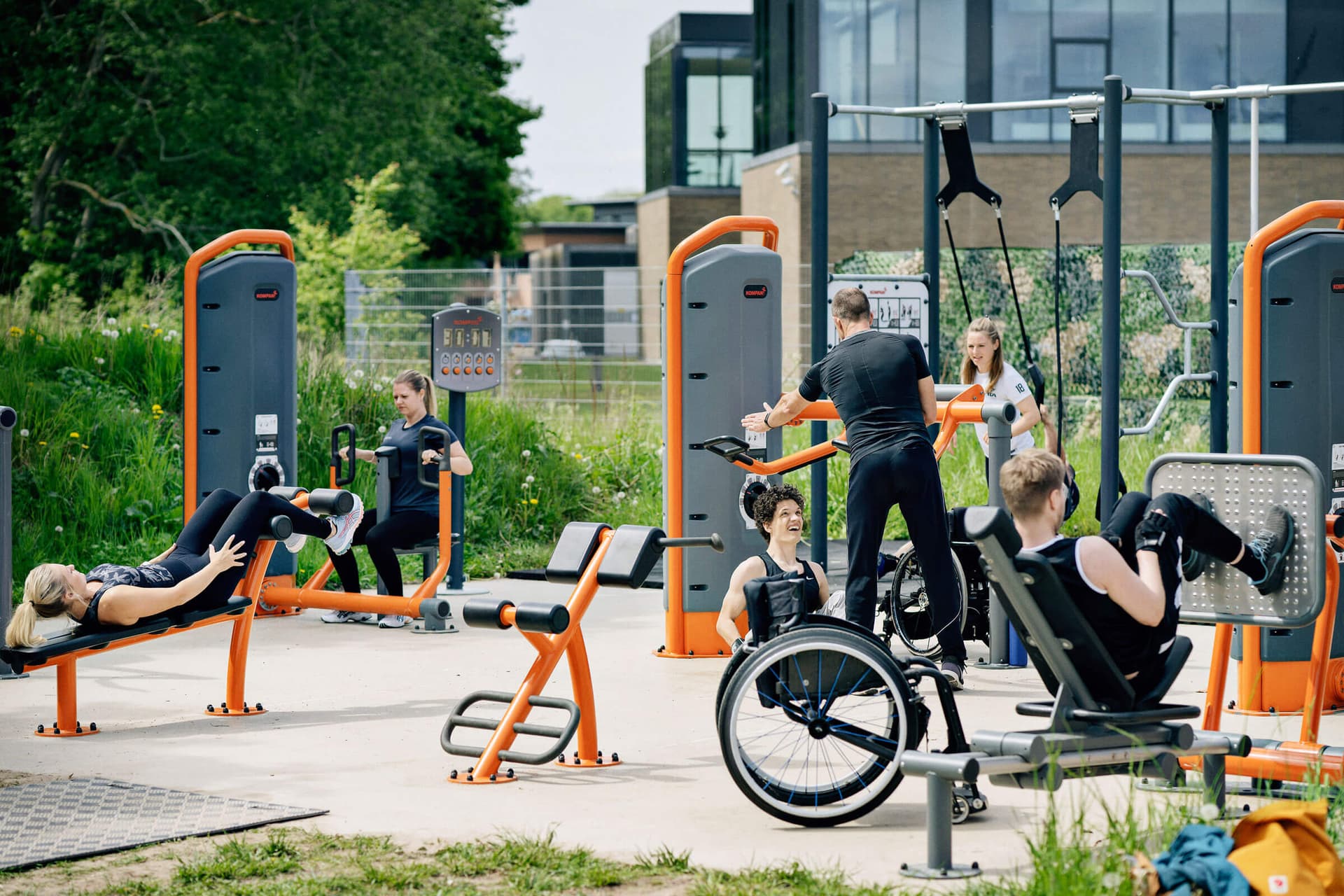
Barcelona’s strongest fitness asset is not a flashy club or a new wellness trend. It is the municipal sports network, a citywide system built to make regular exercise feel ordinary, reachable, and affordable. The value proposition is simple: if the nearest place to train is close to home and priced to fit more budgets, exercise stops being an occasional purchase and starts becoming a habit.
That matters in a city where private gyms and boutique studios can easily turn fitness into a high-cost choice. Barcelona’s public network sits in the same conversation as those commercial options, but for a very different reason. It is treated as core infrastructure for active living, not just a convenient extra, and that framing explains why it plays such an outsized role in the city’s fitness culture.
How the network keeps exercise local
The practical strength of Barcelona’s system is its density. The city promotes a broad set of activities across a wide web of facilities, which means residents do not have to cross town to find a place to move, train, or play. That geographic spread is what turns sports infrastructure into something more useful than a single flagship center: it embeds exercise into everyday urban life.
This neighborhood-level access changes behavior in a way that money alone cannot. When a sports center is nearby, the trip becomes short enough to fit before work, after school, or between errands. That ease is a big reason municipal facilities matter so much in a city where consistency is often more important than novelty.
For people who are balancing schedules, childcare, or commuting, proximity is not a perk. It is the difference between showing up twice a week and not showing up at all. Barcelona’s public network is built around that reality, which is why it functions less like a backup option and more like the backbone of local fitness.
Affordable by design, not by accident
The other half of the story is price. Barcelona also maintains a separate discounted-pricing framework, and that is where the city’s approach becomes especially interesting. The system includes 200 different tariff types, which tells you immediately that this is not a one-size-fits-all subsidy. It is a layered pricing model designed to catch different kinds of users at different points in life.
That kind of segmentation matters. Families, young adults, older residents, and lower-income users are all mentioned as groups that can benefit from the structure, and that makes sense in practice. A student who wants to keep training, a parent trying to keep a routine going, or a retiree looking for steady activity all face different budget pressures. A citywide sports system with 200 tariff types can meet those needs more precisely than a single flat fee ever could.
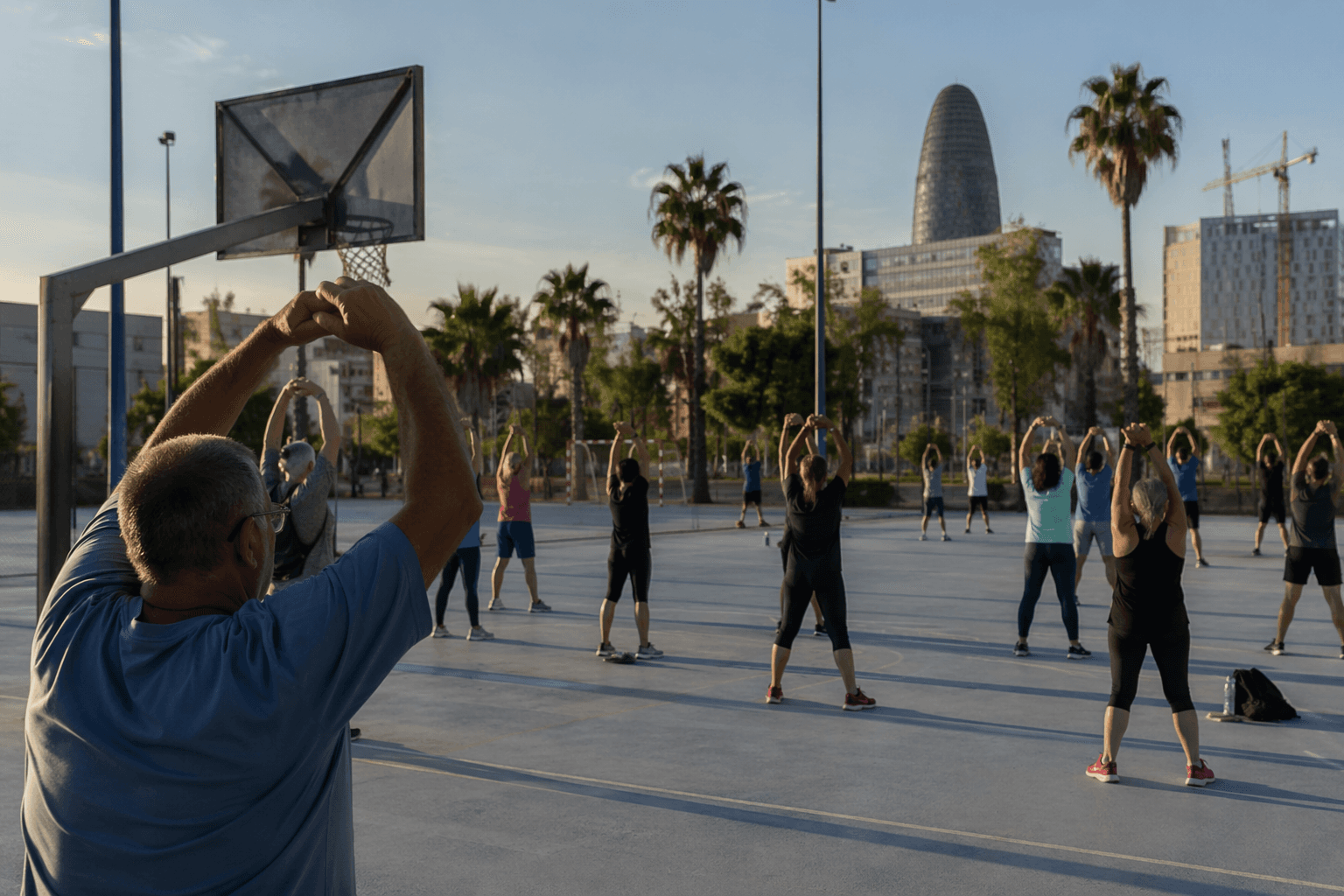
The larger policy goal is just as important as the pricing details. The city says the aim is to help more residents exercise regularly and improve equal access to facilities that are described as a basic service for citizens. That is a strong statement, and it helps explain why Barcelona’s approach feels less like a discount program and more like public health policy delivered through sports.
Why this shapes the whole fitness market
Barcelona’s public network does more than help residents save money. It shapes demand across the entire fitness market. When a city keeps exercise accessible at the neighborhood level, it normalizes training as part of daily life rather than as a luxury purchase reserved for people with disposable income.
That has a real effect on how the market works. Barcelona is not a pure low-cost city, but it is not a pure premium market either. Public and private options coexist, and the municipal network helps anchor that balance by keeping price sensitivity visible and socially accepted. In a market like that, commercial gyms are competing not just on equipment or branding, but on convenience, specialization, and experience.
For operators and observers, the lesson is straightforward: public infrastructure can set the baseline for participation. When the city itself makes activity easy to find and easier to afford, it creates a broader culture of habitual exercise. Private clubs may still win on polish or programming, but the public system wins on reach, reliability, and everyday relevance.
What residents actually get from it
The real-world value of Barcelona’s municipal sports network is that it lowers the friction around getting started and staying active. It gives residents a nearby place to exercise without forcing them to make a big financial commitment first. It also supports the kind of routine that most people need if they are trying to make fitness part of normal life rather than a short-lived burst of motivation.
In practical terms, that means the network serves people who might otherwise wait to join a gym, skip structured activity, or settle for occasional exercise. It gives them a workable path into consistent movement, and that is where public infrastructure proves its worth. The more the city keeps sport close to home and within reach, the less fitness depends on privilege and the more it becomes part of the urban routine.
That is why Barcelona’s municipal sports system matters beyond the sports itself. It is a neighborhood-level answer to a citywide problem, and it shows how affordable access can be the foundation of a healthier fitness culture.
This article was produced by Prism’s automated news system from verified source data, official records, and press releases, then run through automated quality and moderation checks before publishing. The system is built and supervised by the people who set the standards it runs under. Read our full AI policy.
Know something we missed? Have a correction or additional information?
Submit a Tip