DiR Barcelona bets on class variety to win fitness members
DiR is turning Barcelona gyms into programming battles, using HYROX, reformer Pilates, boxing, and bootcamp to keep members returning for more than equipment.

Class variety is the new competitive edge
DiR’s Barcelona operation makes a clear bet: the modern gym member is not only buying access to machines, but also buying a reason to come back. In a city where fitness choices are dense and attention is scarce, the chain is positioning class programming as the thing that turns a membership into a habit. Its message is simple and revealing: fitness keeps evolving, and the clubs that carry the newest trends are the ones most likely to hold members.
That approach captures a shift happening across urban fitness markets. The race is no longer just about square footage, treadmills, or the size of the weight room. It is about whether a club can offer enough variety to satisfy different motivations at once, from performance training to recovery, from social energy to structured coaching.
What DiR is really selling
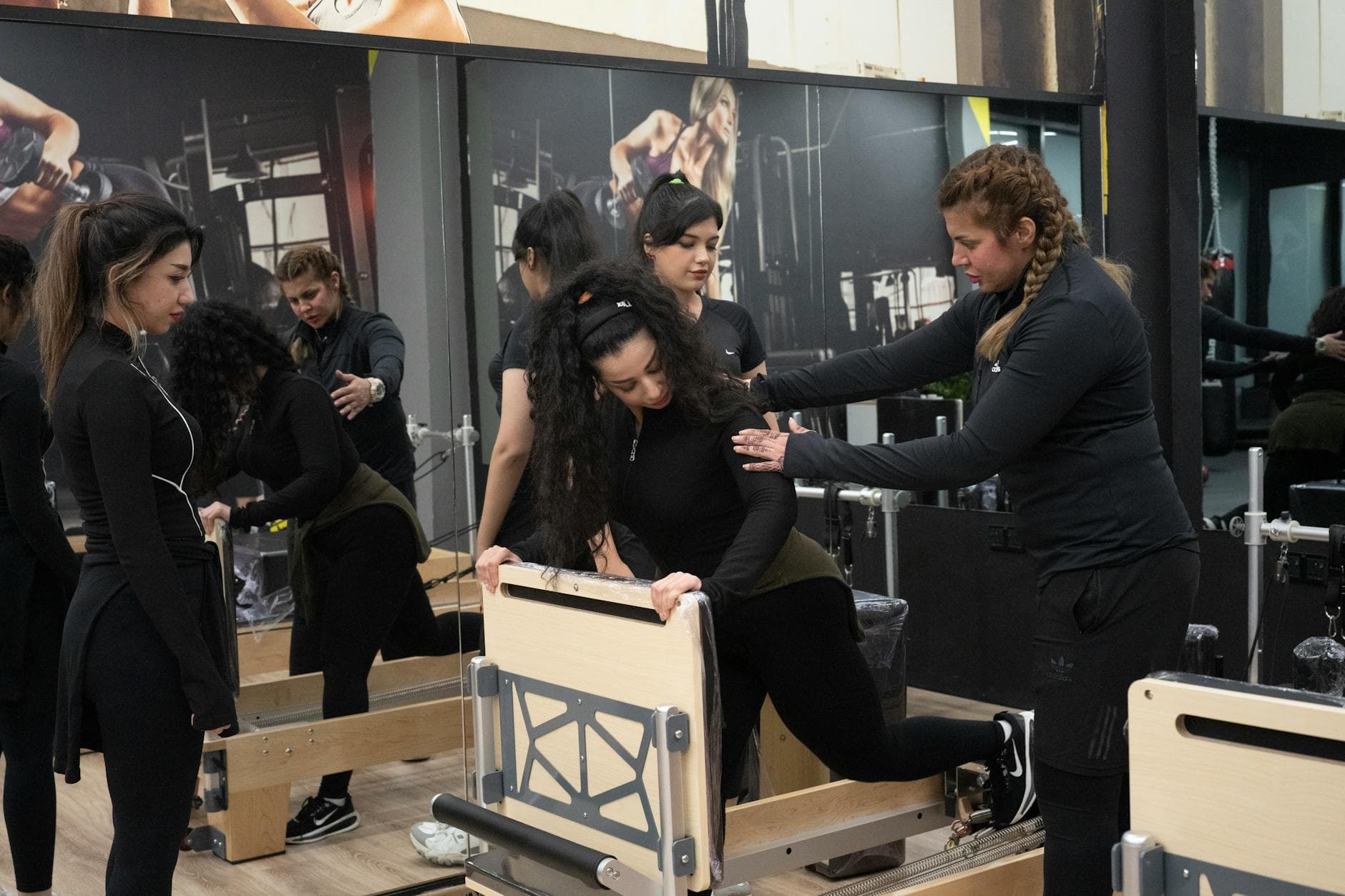
DiR says its clubs reflect the trends shaping Barcelona, and the list is telling: HYROX, reformer Pilates, bootcamp, and boxing. Each format speaks to a different fitness identity, but together they create a programming mix that can keep a broad membership base engaged. That is the point of the strategy. A single timetable can now serve beginners who want guidance, regulars who want intensity, and members who want something that feels more premium or specialized than open-gym access.
The language around the classes matters too. DiR describes them as dynamic, effective, and guided by expert instructors. That framing suggests members want more than a room and a floor plan. They want direction, coaching, and a sense that their training is being shaped by someone who knows how to deliver progress, not just sweat.
Why HYROX and reformer Pilates carry so much weight
The inclusion of HYROX and reformer Pilates says a lot about where expectations have moved. Both have become shorthand for aspirational fitness in many markets, and both signal that members are paying attention to formats with identity attached to them. HYROX brings a performance-minded edge, while reformer Pilates carries a premium, controlled, body-conscious appeal.
For a chain like DiR, that combination is useful because it broadens the club’s reach without flattening the brand. Reformer Pilates can attract members who want precision and recovery. HYROX can pull in people chasing measurable challenge and competition. Together, they help a gym look current in a way that pure equipment access cannot.
Bootcamp and boxing add the energy layer
Bootcamp and boxing expand the offer in a different direction. These formats bring toughness, pace, and a more group-driven atmosphere that can feel distinctly motivating in a city gym setting. They also help balance the wellness-led side of the schedule with something louder and more physical, which matters if the goal is to reach more than one kind of member.
That mix is important because it keeps the timetable from drifting into a narrow niche. A club built only around calm, controlled modalities may appeal strongly to one audience but miss the members who want intensity, competition, or a more athletic mood. DiR’s lineup suggests the opposite instinct: keep the range wide enough that the club feels active from morning to evening.
Scale matters, but so does neighborhood convenience
DiR says it operates 20 clubs in Barcelona and Sant Cugat, and that scale is part of the strategy. A dense local network reduces friction, making it easier for members to train near home or work rather than treating a gym visit as a special trip. In a city environment, that convenience is often the difference between a membership that gets used and one that quietly lapses.
The club locations across Barcelona reinforce that point. A spread-out urban footprint lets the chain promise accessibility while still differentiating each site through class mix and community feel. The result is a model that pairs convenience with variety, which is increasingly the real competitive formula in membership fitness.
What this says about changing member expectations
The deeper lesson is that gym members are shopping for a training identity, not only a place to lift weights. They want a club that can support the version of fitness they see themselves doing right now, and ideally the version they might want next month. That makes freshness a business necessity, not a branding flourish.
In that environment, variety becomes as important as price or equipment. A low-fee gym with excellent machines may still lose out if a nearby competitor can offer a more compelling weekly rhythm. DiR’s playbook suggests that members now reward places that feel alive, current, and coached, especially when the schedule keeps introducing something new enough to justify another visit.
The challenge for Barcelona’s fitness chains
Barcelona’s gym market is increasingly defined by this programming arms race. Chains must continually refresh their timetables to stay relevant in a city where alternatives are everywhere and motivation can hinge on novelty, community, and visible progress. The clubs that win are likely to be the ones that treat classes not as an add-on, but as the core of the membership proposition.
DiR’s Barcelona strategy shows how a large local chain can use that reality to its advantage. By combining premium formats like reformer Pilates and HYROX with high-energy staples like boxing and bootcamp, it creates a calendar that can speak to many kinds of members without losing coherence. In the end, that may be the clearest sign of where the market is headed: not toward the biggest room of equipment, but toward the richest mix of reasons to return.
This article was produced by Prism’s automated news system from verified source data, official records, and press releases, then run through automated quality and moderation checks before publishing. The system is built and supervised by the people who set the standards it runs under. Read our full AI policy.
Did this article answer your question?