Fluidra posts first-quarter growth, signals strength in Barcelona wellness market
Fluidra lifted first-quarter sales to €564 million as its pool and wellness gear kept Barcelona’s hotels, spas and recovery spaces in play.
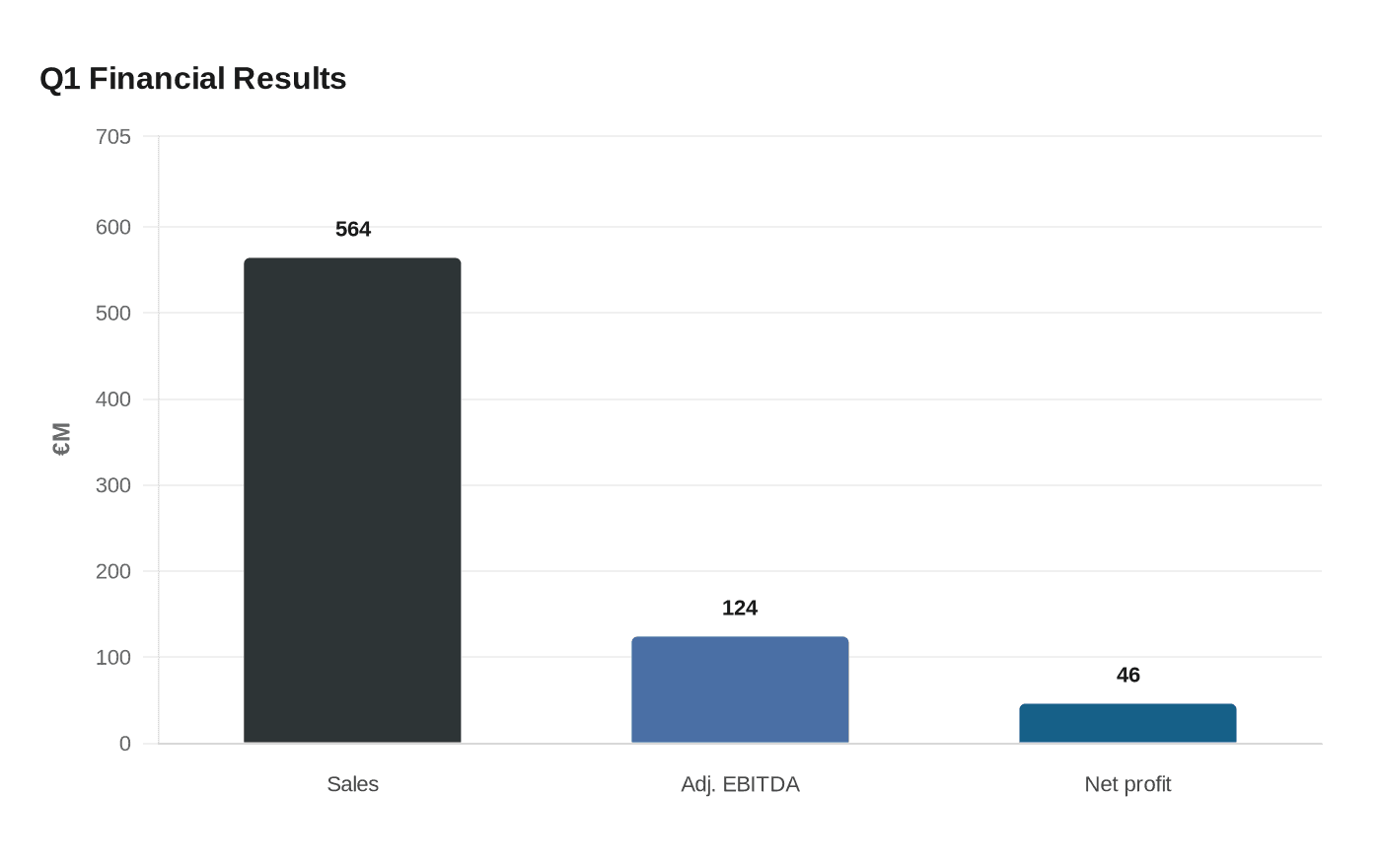
Fluidra’s latest quarter shows how Barcelona’s fitness economy reaches far beyond gym floors. The Sant Cugat del Vallès company posted first-quarter sales of €564 million, up 5.4% at constant exchange rates, while adjusted EBITDA rose to €124 million and net profit increased 6.4% at constant currency to €46 million. Management kept full-year guidance unchanged.
That matters in Barcelona because Fluidra sells the infrastructure behind many of the city’s aquatic and recovery spaces, not just the equipment in a backyard pool. Founded in 1969, the company describes itself as a global leader in pool and wellness equipment and connected solutions, with brands including AstralPool, Zodiac, Jandy and Polaris. Its business reaches residential pools, hotels, resorts, municipal pools, elite competition pools and spa and wellness centers, a footprint that maps neatly onto a city where wellness is increasingly sold as part of the lifestyle package.

The quarter also fit into a broader improvement already visible in Fluidra’s 2025 numbers. On February 26, the company reported full-year sales of €2,184 million, up 7% at constant foreign exchange, and net income of €176 million, up 28%. It also said it had completed the €100 million savings target tied to its Simplification Plan. For 2026, Fluidra is guiding for sales growth of 3% to 7% at constant FX, an adjusted EBITDA margin of 23.3% to 24.3%, and adjusted EPS growth of 4% to 13%.
For Barcelona’s wellness market, the signal is less about one quarter than about the durability of capital spending in the built environment of leisure and recovery. Hotels continue to invest in thermal circuits and premium water features. Residential developers still lean on pool amenities to differentiate new projects. Sports clubs and wellness operators increasingly pair training spaces with hydrotherapy, relaxation and connected water systems. Fluidra’s sales mix suggests that demand is still flowing across all of those channels, with efficiency savings and pricing helping offset inflation while the company keeps investing in product and operations.
That same logic was visible again on May 8, when Fluidra and European Aquatics announced two programs aimed at modernizing aquatic facilities and expanding access to swimming education. The initiative explicitly points to aging public pools and patchy infrastructure in some regions, underscoring Fluidra’s role as more than a supplier. In Barcelona, where wellness is becoming a system rather than an add-on, that makes the company a useful barometer for whether the city’s recovery economy still has room to grow.
This article was produced by Prism’s automated news system from verified source data, official records, and press releases, then run through automated quality and moderation checks before publishing. The system is built and supervised by the people who set the standards it runs under. Read our full AI policy.
Did this article answer your question?