Spanish fitness shifts as more women choose safer, community gyms
Barcelona’s women-only gym wave is really about comfort, not novelty. Operators that remove judgment and friction are winning over women who already want to train, but want to feel safe doing it.

Women are driving the next Spanish fitness demand shift
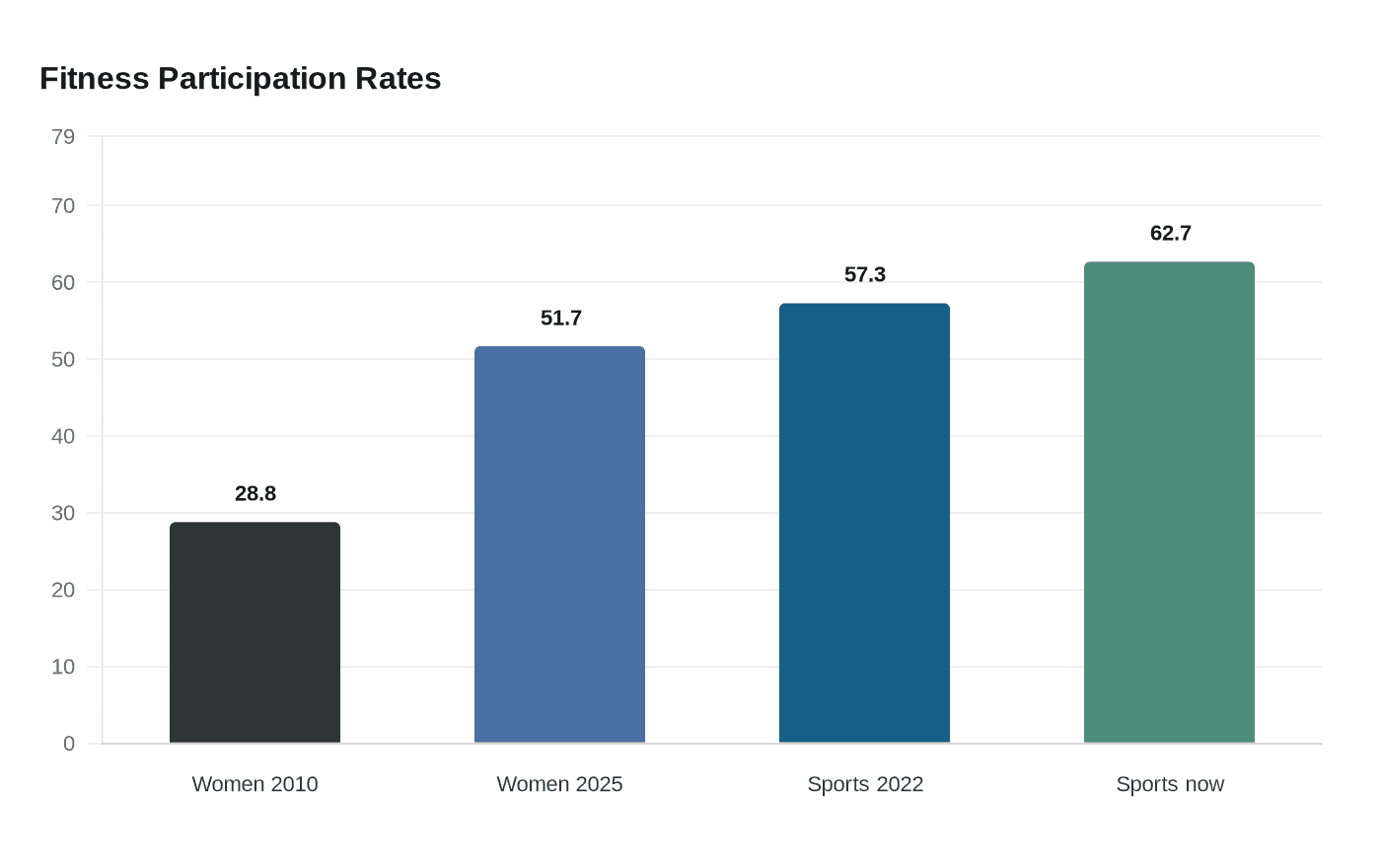
The biggest mistake in this market is treating women-only gyms as a niche indulgence. In Spain, women’s weekly exercise participation has climbed from 28.8% in 2010 to 51.7% in 2025, which means the customer base is no longer marginal, it is mainstream and still growing. Add Spain’s broader sports participation rate, now 62.7% compared with 57.3% in 2022, and the signal is clear: this is not a tiny specialty trend, it is part of a wider post-pandemic lift in active living.
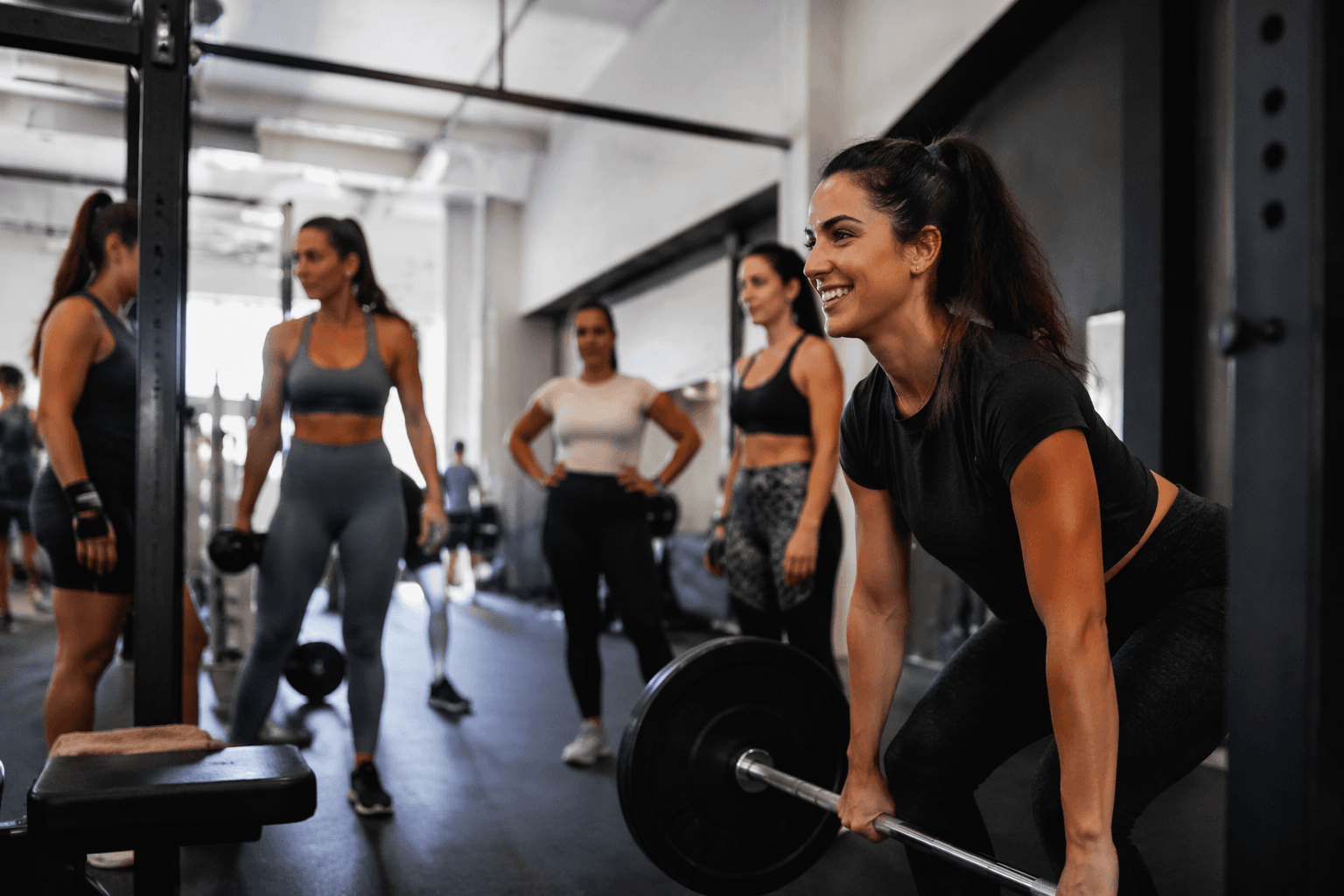
Barcelona matters because the city sits right at the intersection of dense urban living, international taste and a strong boutique fitness culture. That combination rewards operators that understand a simple truth: access to fitness is no longer just about location or price. For many women, access now means whether the room feels comfortable, whether the environment looks and sounds judgmental, and whether walking in feels like a normal daily errand instead of a performance review.
Why comfort now competes with convenience
The numbers behind women’s training habits explain why the category is shifting. Women are more likely than men to train at home, with 33% of those who exercised in the last year doing so at home, compared with 26% of men. Nearly half of women, 49%, also say they own strength or fitness equipment at home, slightly above the male figure. That tells you two things at once: women are already spending money in the category, and many are still choosing the lower-friction option of working out in private.
This is where the best women-focused gyms have found their edge. They are not merely “for women” in a marketing sense. They are trying to solve the exact reasons women stay out of conventional gyms, including injury concerns, body confidence and the need to identify with the training environment. If the home gym wins on privacy and convenience, the studio has to win on trust, structure and atmosphere.
What these gyms actually offer
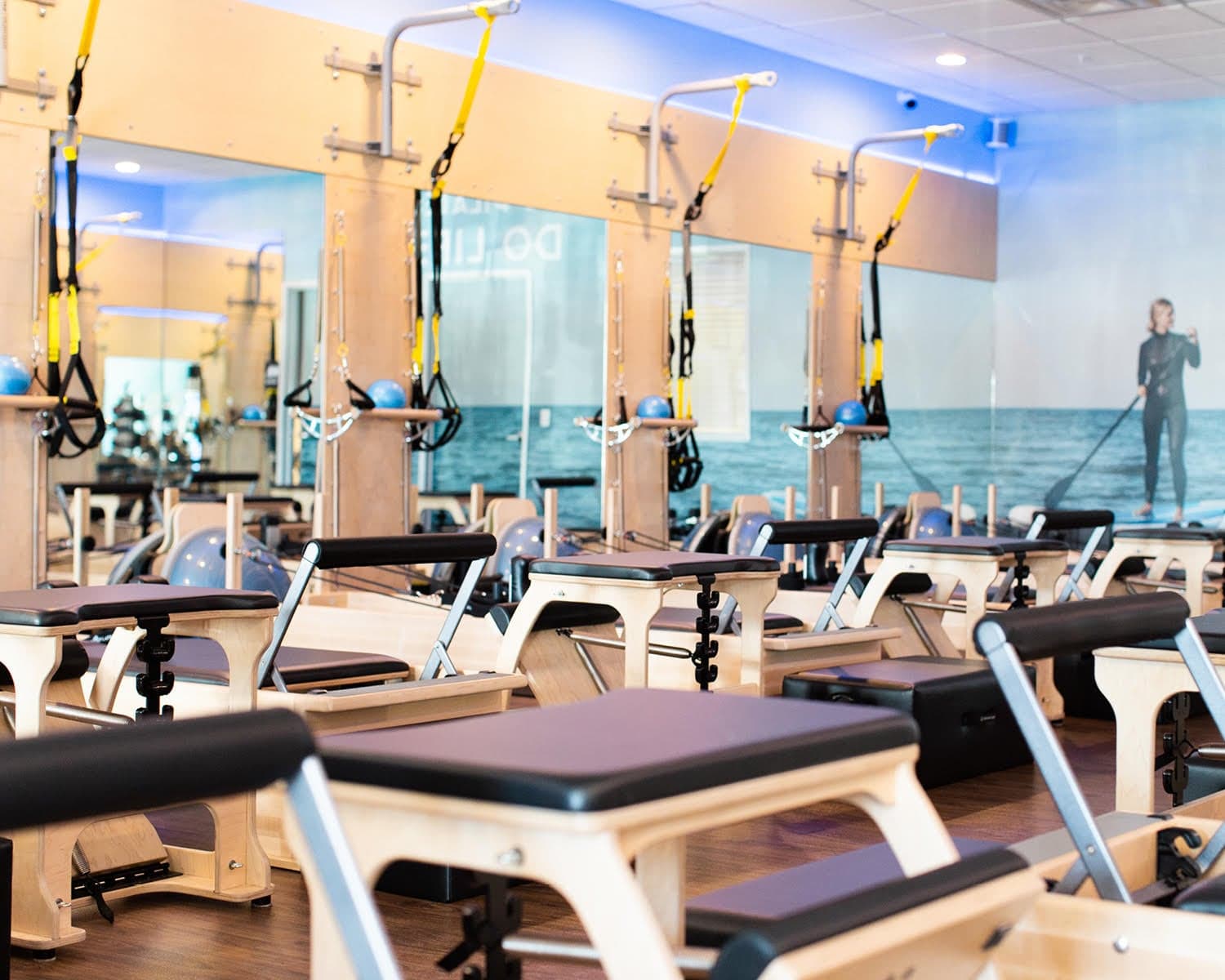
The strongest women-only and women-first concepts in Barcelona are not built around one gimmick. They combine class formats, clearer onboarding and a more deliberate room design. Fit Lovas, in Eixample, positions itself as a women-only gym built around training, wellness and strength work, which puts it squarely in the zone many urban clients want: enough serious lifting to feel effective, with enough wellness language to feel approachable.
O2 Centro Wellness’s women-only boutique gym in Barcelona goes even further on the physical experience, with more than 1,000 square meters of premium facilities and a newly inaugurated space. That scale matters because it suggests the concept is not limited to tiny studios or stripped-down training rooms. It shows how women-first positioning can be applied in a larger, more polished environment where recovery, comfort and amenity mix with the training floor.
Then there are hybrids and chain models. Basic-Fit’s women-only clubs are female-member only, though male staff may be present, and the brand describes the spaces as a “second home.” That phrase is doing real work here. It signals that the product is not about exclusion for its own sake, but about creating familiarity, visual ease and a less intimidating room. The company also says the clubs use modifications in weights and different colors to help create that comfort.
The Barcelona playbook is broader than boutique studios
Barcelona already has visible traction in this segment. Local directories list women-focused clubs including Arsenal Femenino, Fit Lovas, Curves Sagrada Familia, B3B Woman Studio, Fit Balmes Femení and O2 Centro Wellness. That spread is important because it shows the category can be built at multiple price points and in multiple neighborhoods, from Eixample to Les Corts and Sarrià-Sant Gervasi.
Curves remains useful as a reference point for the faster, more guided women-only model, while McFIT’s women-only zones show that even broader fitness chains can carve out protected training areas without converting the entire club. That matters in a city like Barcelona, where not every woman wants a fully isolated boutique space. Some want a partial solution, a designated zone, a clearer social contract and enough separation to lower the temperature of the room.
The business case is strongest when operators stop thinking only in terms of exclusivity and start thinking in terms of friction reduction. A woman who already owns weights at home, trains intermittently and cares about safety may not need a louder, more macho gym floor. She needs a place that makes the first visit easy, the second visit familiar and the third visit routine.
How public policy is shaping the opportunity
Barcelona’s public sector is reinforcing the same direction. The city’s sports institute says it has created a Gender Equality Office to promote women’s participation in sport and equal decision-making bodies in the sports sector. It has also published a sport-and-gender guide and gender-oriented resources for municipal sports facilities, which matters because it treats inclusion as infrastructure, not decoration.
The city’s own facilities policy goes further, saying cultural, sports, community and service facilities should fit the timetables and needs of carers, foster the participation of women and under-represented groups, and promote more egalitarian relationships. Barcelona’s public sports network is also designed to make sport accessible across the city, which means women-only concepts do not have to replace public provision. They can complement it by serving people who want a more specific environment than a municipal hall can usually offer.
That institutional framing was also visible when Barcelona marked International Women’s Day at municipal sports centres with activities demanding gender equality in sport. The message is consistent: participation is the goal, but environment is part of the policy.
Who these gyms serve best
Women-only and women-first gyms work best for a few clear groups. They are especially strong for women returning to exercise after a break, women who feel self-conscious in mixed spaces, and women who want strength work without the social noise that often clings to conventional gyms. They also make sense for carers, shift workers and anyone whose schedule or confidence level makes the traditional gym floor feel like too much, too soon.
For Barcelona operators, the opportunity is not simply to launch another women-only studio. It is to build spaces that understand why women are already training at home, why they are still willing to spend on equipment, and why the right gym can beat the living room only when it offers something the living room cannot: expert programming, a community that feels safe, and a room designed to keep women coming back.
This article was produced by Prism’s automated news system from verified source data, official records, and press releases, then run through automated quality and moderation checks before publishing. The system is built and supervised by the people who set the standards it runs under. Read our full AI policy.
Know something we missed? Have a correction or additional information?
Submit a Tip