Workshop Fitness BCN blends training, recovery and flexible memberships in Barcelona
Workshop Fitness BCN packages 1,800 m², recovery spaces and flexible plans into one club, but its best value depends on how often you’ll use the hammam and app-based passes.
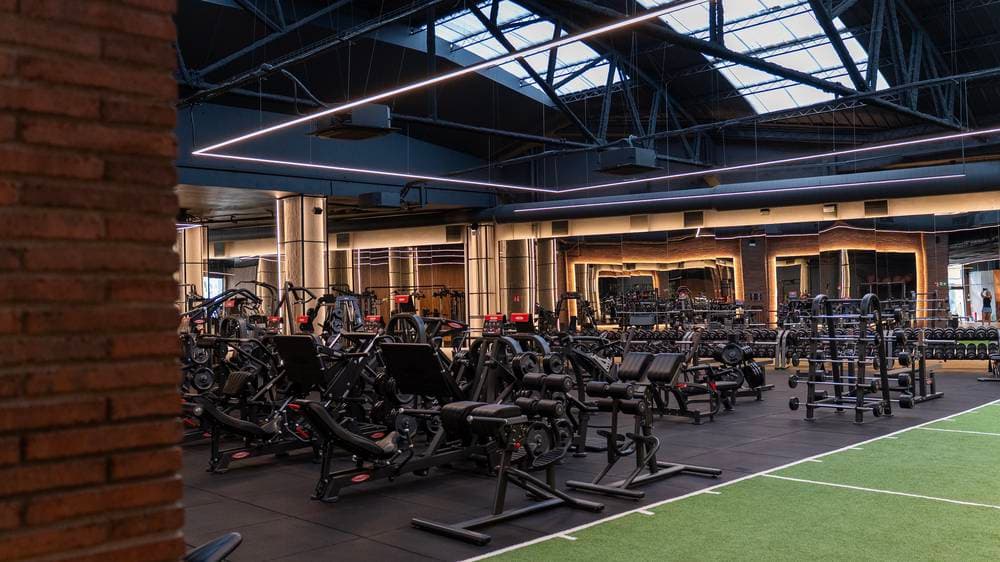
Workshop Fitness BCN sells more than a room full of machines. In Sant Martí, on Carrer d’Àvila, 120, the club presents a 1,800 m² setup that combines training zones, recovery spaces and a membership structure built to keep members moving through the door and staying enrolled. For Barcelona readers comparing budget chains, boutique studios and mid-tier clubs, the real question is not whether it has equipment, but whether the bundle of convenience, wellness extras and pricing mechanics fits the way you train.
What the club package actually includes
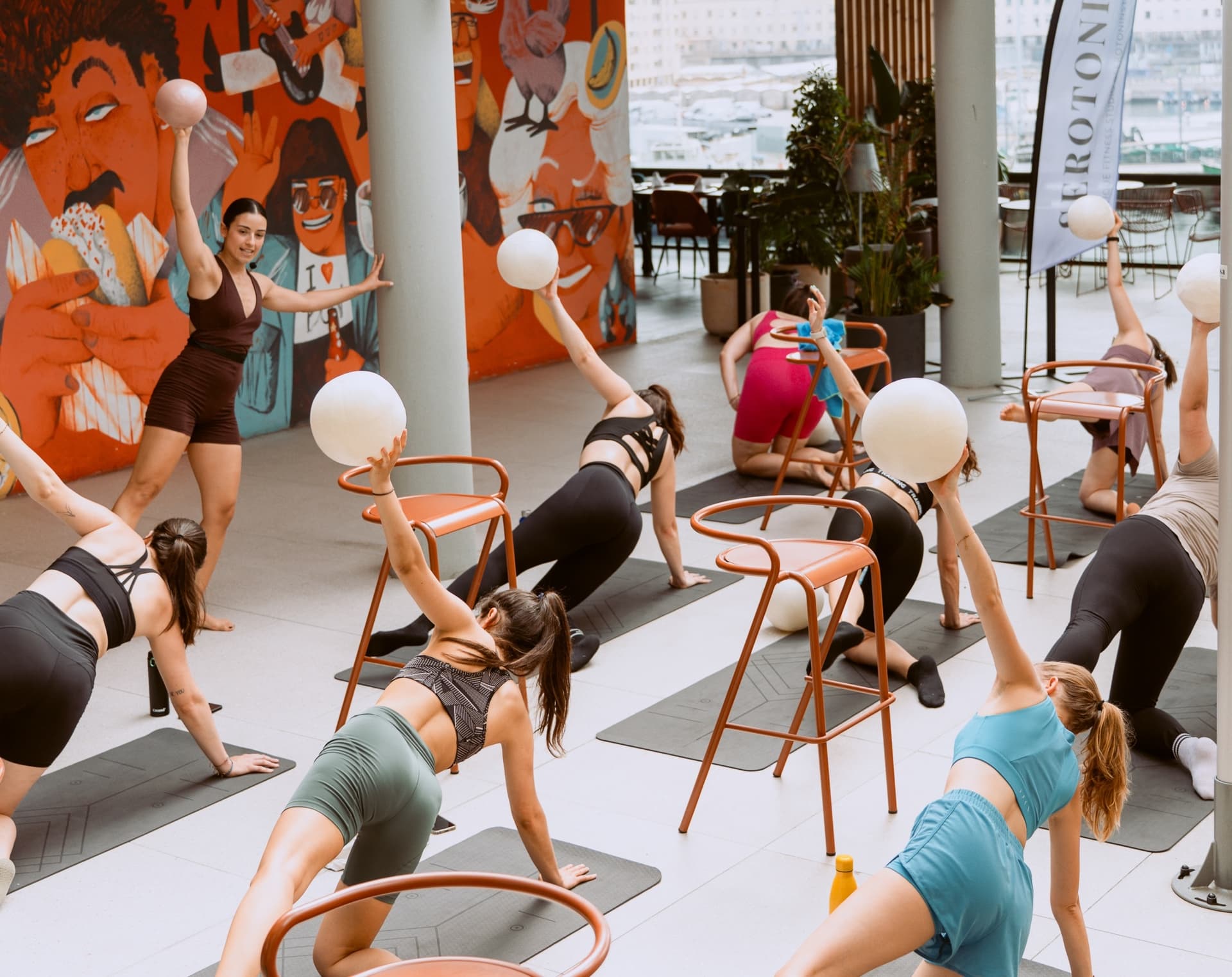
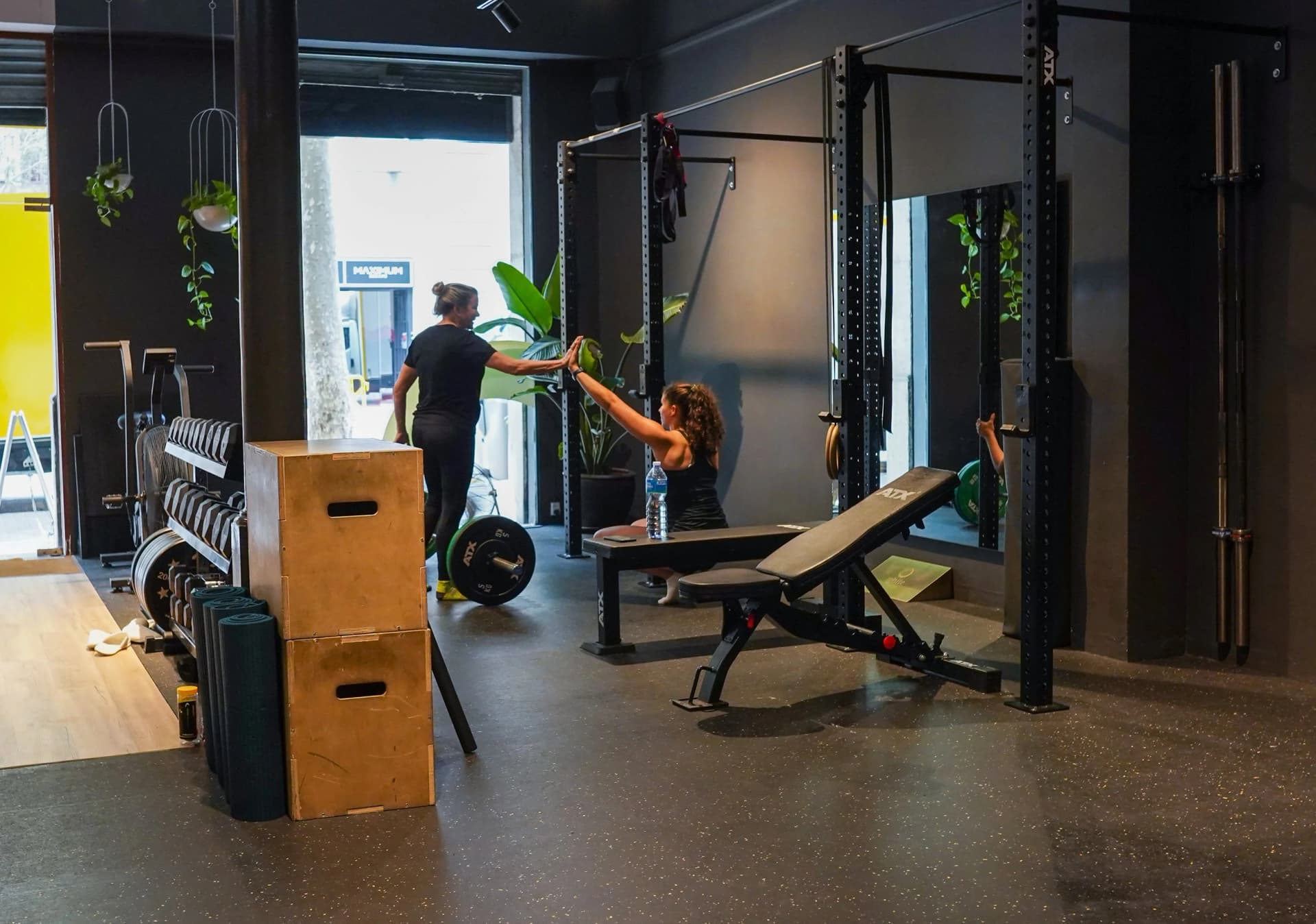
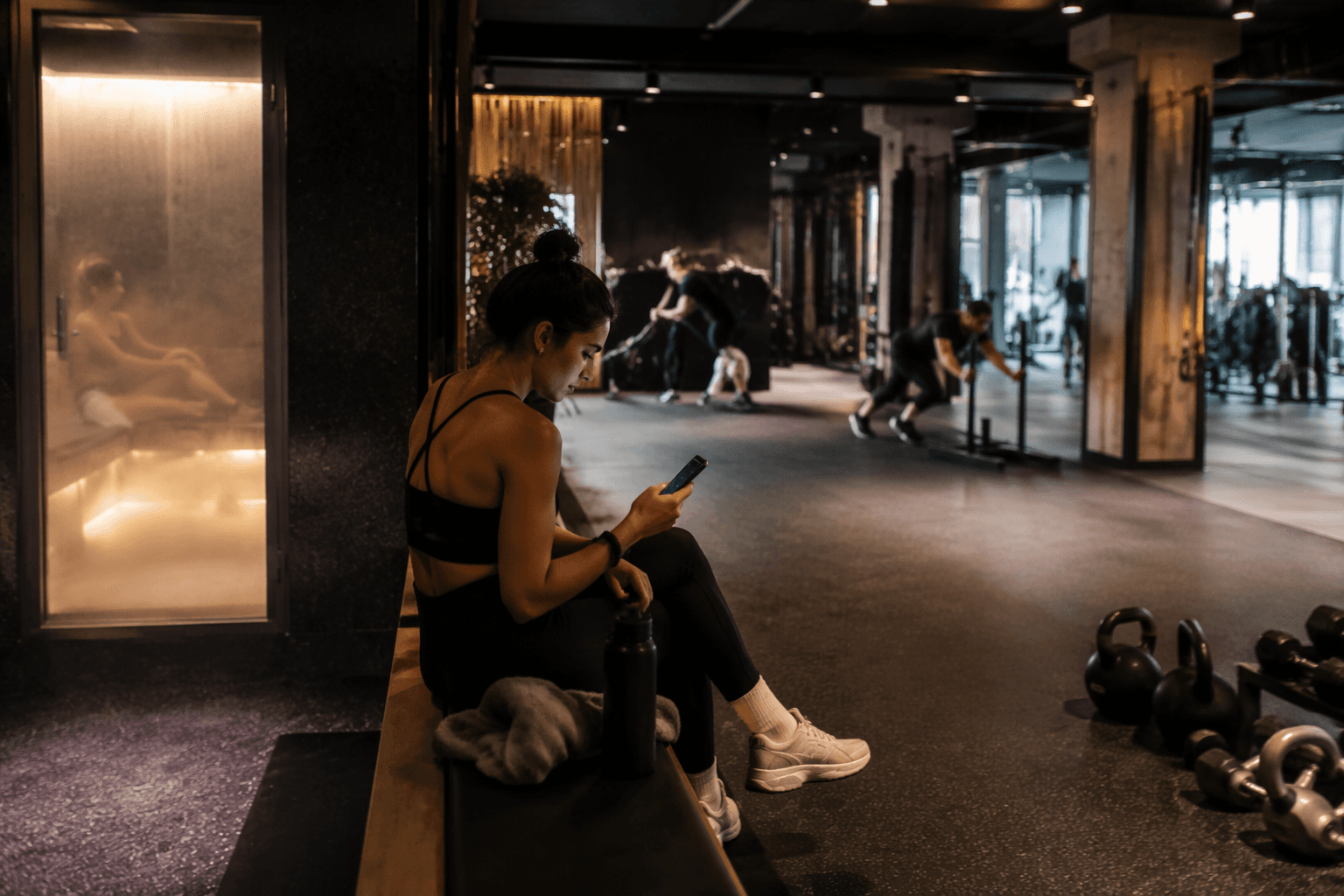
The physical offer is broader than a standard gym floor. Workshop lists a gym, locker room, rest zone, cardio zone and hammam, then extends the recovery side further with a SPA zone, massage service and fitness bar. That mix tells you what the club is selling: time saved between workout and recovery, not just access to weights and treadmills.
The facility size matters because 1,800 m² is large enough to support distinct zones without feeling like a single crowded hall. The club also publishes rules for changing rooms, showers, hammam, safety and sanctions, which is a useful signal that these shared spaces are part of the core product, not decorative add-ons. In practical terms, the membership is aimed at people who will actually use the locker room, spend time after training and treat the recovery areas as part of the visit.
Hours and location are built for routine use
Workshop’s published hours are straightforward: 9:00 to 21:00 on weekdays and 9:00 to 15:00 on Sundays. That schedule is friendly to after-work training, late-morning sessions and weekend maintenance workouts, though it is not an all-night option and Sunday hours are shorter than weekday access.
The location in Poblenou, within Sant Martí, places it in one of Barcelona’s more active urban fitness zones, where members can choose between neighborhood gyms, boutique concept studios and chain options. Being at Carrer d’Àvila, 120 gives it a concrete advantage for anyone living or working nearby: it is easier to justify the extra services when the club fits cleanly into a daily commute or lunch-break routine.
Membership terms are flexible, but the structure rewards continuity
Workshop advertises 3-, 6- and 12-month plans, plus annual subscriptions. The important detail is the renewal rule: if a member renews within five days after expiry, the matriculation fee is waived. That is a small line item, but it reveals how the club nudges people toward uninterrupted membership rather than churn.
The pricing signals point to a club trying to sit above the cheapest market tier without drifting into ultra-luxury. The club’s own news page describes it as a premium gym in Poblenou with 1,800 m² and prices from 65 €/month. Yelp snippets place membership in roughly the 30 to 40 euro range, which suggests either promotional entry points, plan variation or different channel pricing. For a Barcelona buyer, that spread matters: this is not just a single sticker price, but a menu of offers that can look very different depending on where you find them.
Timed promotions reinforce that logic. An Instagram post promoted a zero-euro sign-up fee from June 8 to June 12, using the line “Celebramos 1 año Matrícula 0 € Solo del 8 al 12 de junio.” Another post said passes from one-day access to an annual subscription were available in the WORKSHOP SPAIN app. Together, those details show a club that uses app-based sales and limited campaigns to attract both casual users and longer-term members.
The trainer and equipment story is part of the brand
Workshop also leans hard on named staff and recognizable hardware. The club lists Victoria Zhurbenko, Artem Kryvonosov, Dmytro Vovk and Oleksandr Do... on its site, which makes the operation feel more like a coached training environment than a faceless floor plan. In a market where members compare coaching style, language comfort and credibility almost as much as square meters, that visibility is a real selling point.
The equipment names in the club’s own profile push in the same direction: Panatta, Eleiko, Rogue and Precor. Those are brands that serious gym-goers recognize, and they help position the space as a place where the free weights and strength gear are a meaningful part of the offer. Related directory pages and social profiles also emphasize personal training, which fits the club’s broader identity as a service-led gym rather than a simple access-only facility.
How it sits in Barcelona’s crowded fitness market
Barcelona already gives members a lot of ways to train: budget chains for price-sensitive users, boutique studios for class-first routines and recovery-heavy clubs for people who want a polished all-in-one experience. Workshop lands in the middle-to-premium space, and that position makes sense for members who want one place for lifting, cardio, changing, resting and recovery.
Its market visibility backs that up. Urban Sports Club lists it as a venue, ClassPass includes it among Barcelona studios, and Apple Maps has a place listing for WORKSHOP FITNESS CLUB BCN. A third-party guide places it as a mid-range gym in Sant Martí with a 4.9 rating from about 600 visitor reviews, while the club’s Instagram profile showed 6,422 followers and 27 following in the search result. That combination of app exposure, map visibility and social following suggests a business that knows how to sell itself across multiple channels, not just at the front desk.
Who gets the most value here
The strongest fit is a member who trains regularly, uses recovery spaces, and wants the practical ease of a single club with named coaches and recognizable gear. If hammam access, massage, a rest zone and an easy locker-room routine are part of your weekly rhythm, the membership model makes sense because it bundles the whole visit into one place.
The weaker fit is the person who only wants the cheapest possible lift-and-leave gym or who will not use the recovery side at all. In Barcelona, where low-cost chains and specialist studios both compete hard on price or focus, Workshop has to justify itself through use, not just image. Its value comes from how much of the club you actually consume, and that is exactly why the full-service pitch works for some members and feels expensive for others.
This article was produced by Prism’s automated news system from verified source data, official records, and press releases, then run through automated quality and moderation checks before publishing. The system is built and supervised by the people who set the standards it runs under. Read our full AI policy.
Did this article answer your question?