Axens, Green Sky Capital plan Africa's first sustainable aviation fuel plant in Egypt
Axens and Green Sky Capital unveiled a 200,000-tonne SAF plant in Egypt, targeting first output by end-2027 and aiming to turn Ain Sokhna into a fuel hub.
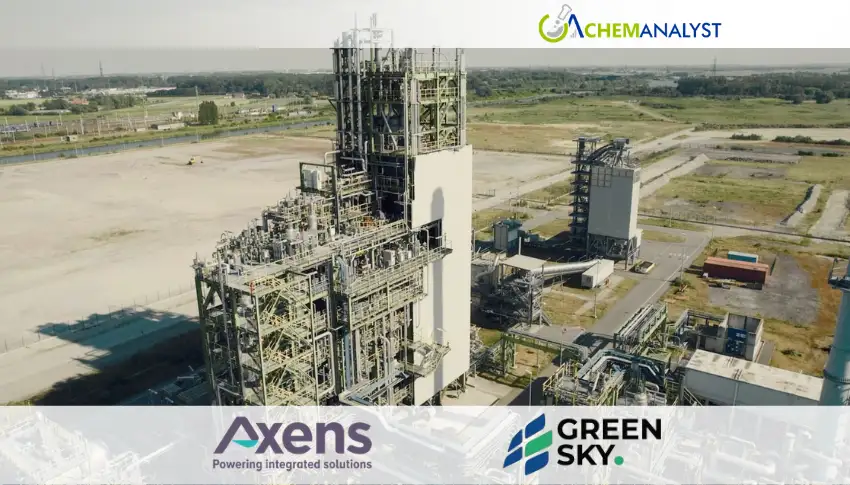
Axens on June 5 said it would team with Green Sky Capital on a 200,000-tonnes-per-year sustainable aviation fuel plant in Egypt, a project the company said would be the first SAF production facility in Egypt and across Africa. Axens said the fast-track scheme was targeting commercial operations by the end of 2027 and would use lipid-based feedstocks, including used cooking oil, with its Vegan® HEFA technology.
The plant gives Egypt something more strategic than another greenfield announcement. Siting large-scale SAF production in Ain Sokhna, inside the Suez Canal Economic Zone, places the project on one of the region’s most important logistics corridors, with direct access to Mediterranean and African fuel markets and a clearer export route than many inland proposals. For airlines, airports and fuel distributors, the 200 KTA scale matters because it offers volume that could be integrated into regional supply planning rather than remaining a symbolic pilot.
Axens said it would also supply catalysts, adsorbents, operational support and training services, while a separate memorandum of understanding with Green Sky Capital is focused on improving SAF output per ton of feedstock. That emphasis on yield is central to the economics of HEFA projects, where access to low-cost lipid streams and process efficiency can determine whether a plant can compete against conventional jet fuel and other low-carbon pathways.
The Egypt plan builds on earlier cooperation in the market. In July 2023, Axens, Qalaa Holdings and ECARU signed a protocol for technical and economic studies on a two-phase project that would first produce advanced bioethanol and then SAF. Axens framed that work as part of Egypt’s push to develop renewable and low-carbon fuels and recycle waste streams, while ECARU said it had helped dispose of and recycle 3.5 million tons of agricultural waste over 15 years.
A separate SAF project in Ain Sokhna, announced in May 2026, was described as a 100,000-square-meter site with capacity for up to 200,000 tonnes per year of biofuels including SAF, HVO, biopropane and bionaphtha. That project reportedly secured financing support from the Arab Energy Fund, Ninety One and Qatar National Bank SAE, along with a long-term offtake deal with Shell, and its EPC contract was awarded to SeaOwl. The parallel developments underline why Egypt is emerging as a candidate regional bunkering and export hub, not just a domestic consumer market. Aviation supports nearly 1.4 million jobs in Egypt and more than 5% of GDP when aviation-related tourism and supply chains are included, while passenger traffic at Egyptian airports rose 22.3% in 2025 and flights increased by more than 20%. ICAO says SAF must meet sustainability criteria and come from certified producers to count under CORSIA, which gives first movers with bankable feedstock and offtake a stronger route to market.
This article was produced by Prism’s automated news system from verified source data, official records, and press releases, then run through automated quality and moderation checks before publishing. The system is built and supervised by the people who set the standards it runs under. Read our full AI policy.
Know something we missed? Have a correction or additional information?
Submit a Tip