BHP trials waste-based biofuel blend on Australia-China shipping route
BHP and the Global Centre for Maritime Decarbonisation ran a used-cooking-oil and waste-fat blend on the Berge Lyngor between Australia and China. The test probes multi-feedstock marine fuel logistics.
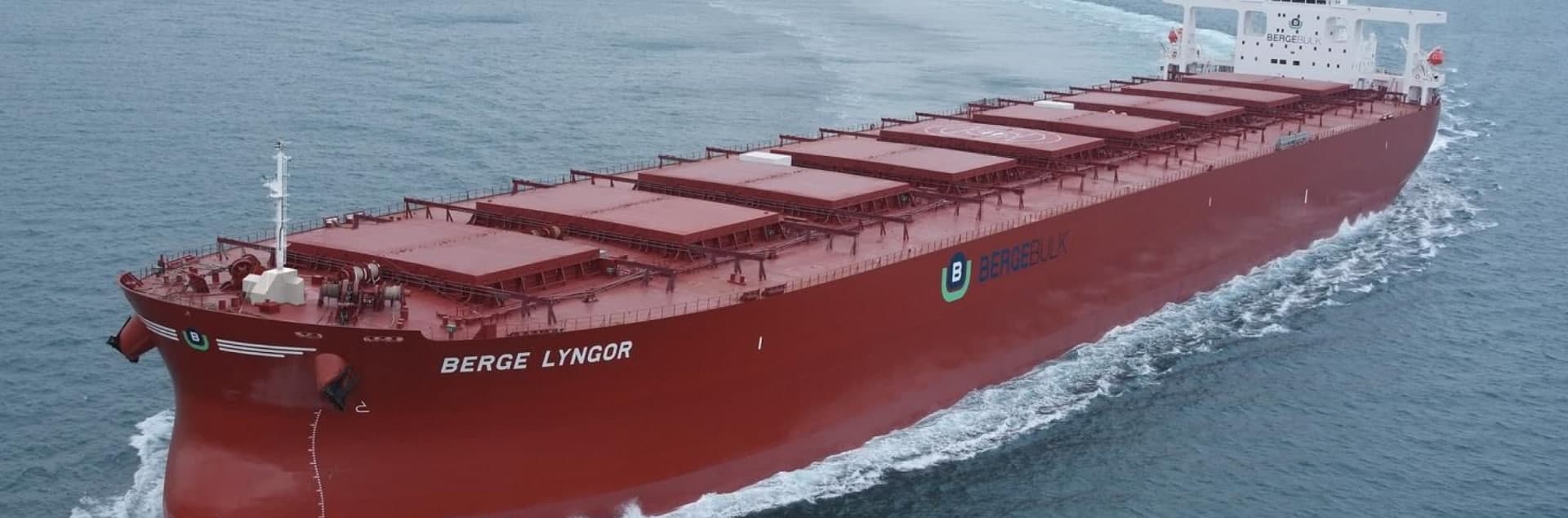
BHP and the Global Centre for Maritime Decarbonisation trialled a waste-based biofuel blend on a bulk carrier voyage from Australia to China, using used cooking oil and waste animal fats on the BHP-chartered Berge Lyngor, which is owned and operated by Berge Bulk. The pilot is designed to show whether multi-feedstock marine biofuels can be blended, handled and traced through existing fuel supply chains without disrupting vessel operations.
The trial is aimed squarely at the practical problems that decide whether marine biofuels can move beyond demonstrations. It is testing fuel quality, corrosion risks and wax formation, all of which can affect storage, transfer and engine performance on long-haul shipping routes. The feedstocks also matter: used cooking oil and animal fats are waste-derived inputs that can lower lifecycle carbon intensity versus fossil marine fuel while avoiding some of the food-versus-fuel criticism that has followed earlier biofuel pathways.
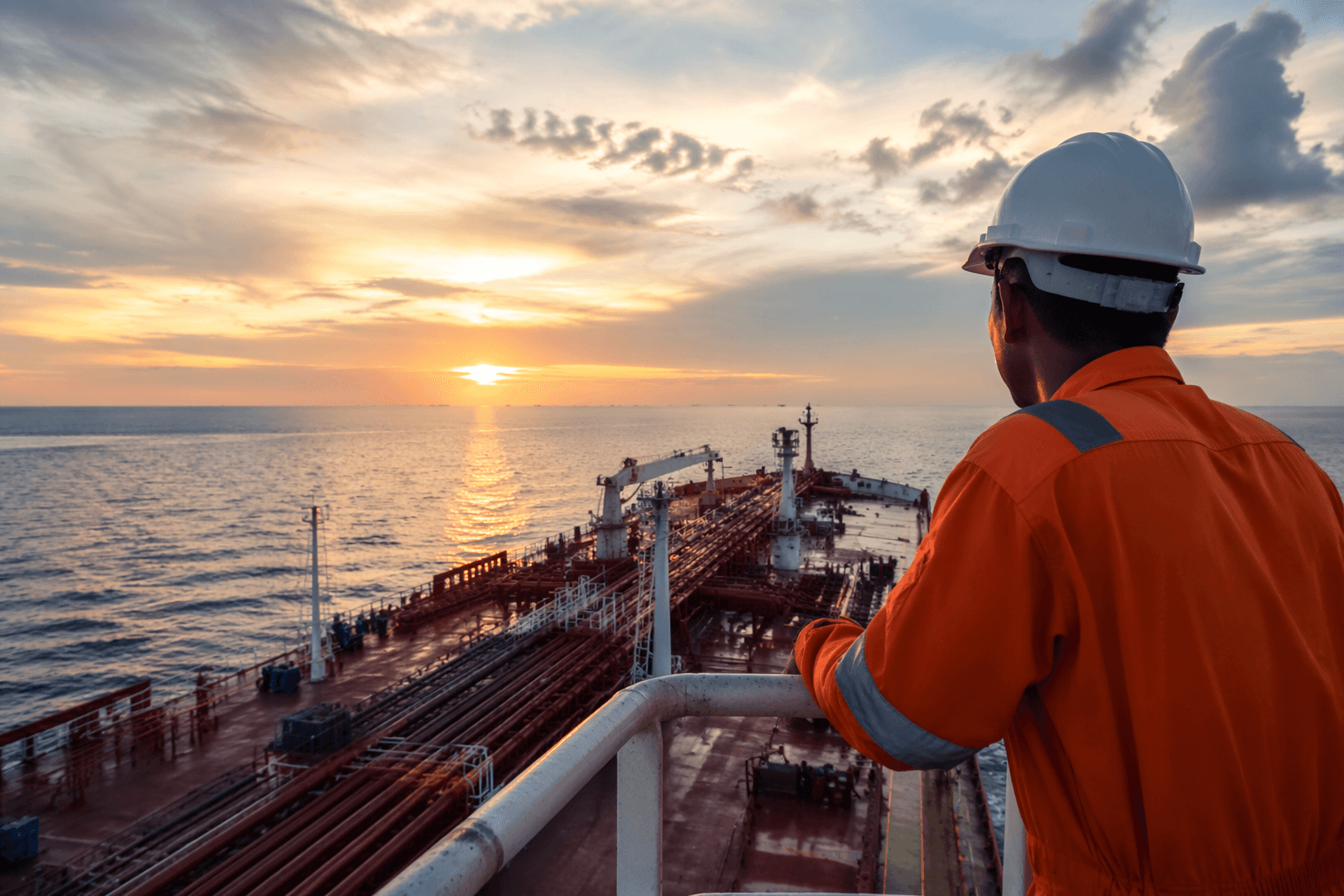
For BHP, the voyage fits into a broader shipping decarbonisation strategy. The miner has set a FY2030 target to reduce value chain, or Scope 3, greenhouse gas emissions intensity, including shipping, and has said it wants net zero greenhouse gas emissions from shipping of its products by 2050. BHP has also said it plans to use low-to-zero-GHG ammonia as a marine fuel within this decade, starting on its iron ore route between Western Australia and China.
The current pilot builds on BHP’s earlier marine fuel work. On April 4, 2021, BHP, Oldendorff Carriers and GoodFuels, with support from the Maritime and Port Authority of Singapore, completed the first marine biofuel trial involving an ocean-going vessel bunkered in Singapore. That test used the 2020-built 81,290 deadweight tonne Kira Oldendorff and was intended to inform a strategy for BHP’s key shipping routes.
The new Australia-China voyage pushes the issue further up the commercial ladder. If the Berge Lyngor trial validates performance across a trans-Pacific route, it could strengthen the case for wider marine adoption and give miners, shippers and fuel suppliers more confidence that waste-based biofuels can be secured, blended and delivered at scale rather than as one-off bunker trials.
This article was produced by Prism’s automated news system from verified source data, official records, and press releases, then run through automated quality and moderation checks before publishing. The system is built and supervised by the people who set the standards it runs under. Read our full AI policy.
Know something we missed? Have a correction or additional information?
Submit a Tip