Biodiesel producers face volatility as policy shifts squeeze margins
U.S. biodiesel plants are being pushed toward flexible feedstocks, switchable assets and policy-backed outlets as tax-credit uncertainty and weak margins hit output.
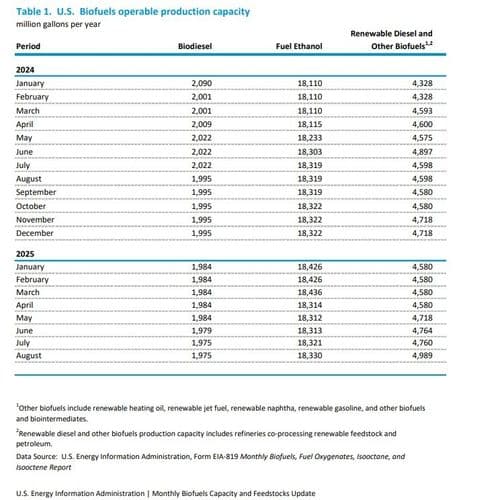
Biodiesel plants are being squeezed by a market that no longer rewards a single feedstock, a single product slate or a single policy tailwind. The U.S. Energy Information Administration said U.S. renewable diesel and biodiesel production fell sharply in the first quarter of 2025 as uncertainty over federal biofuel tax credits collided with negative profit margins, and it said biodiesel output was expected to stay below 2024 levels even if volumes recovered later in the year.
Policy whiplash is now part of the margin equation
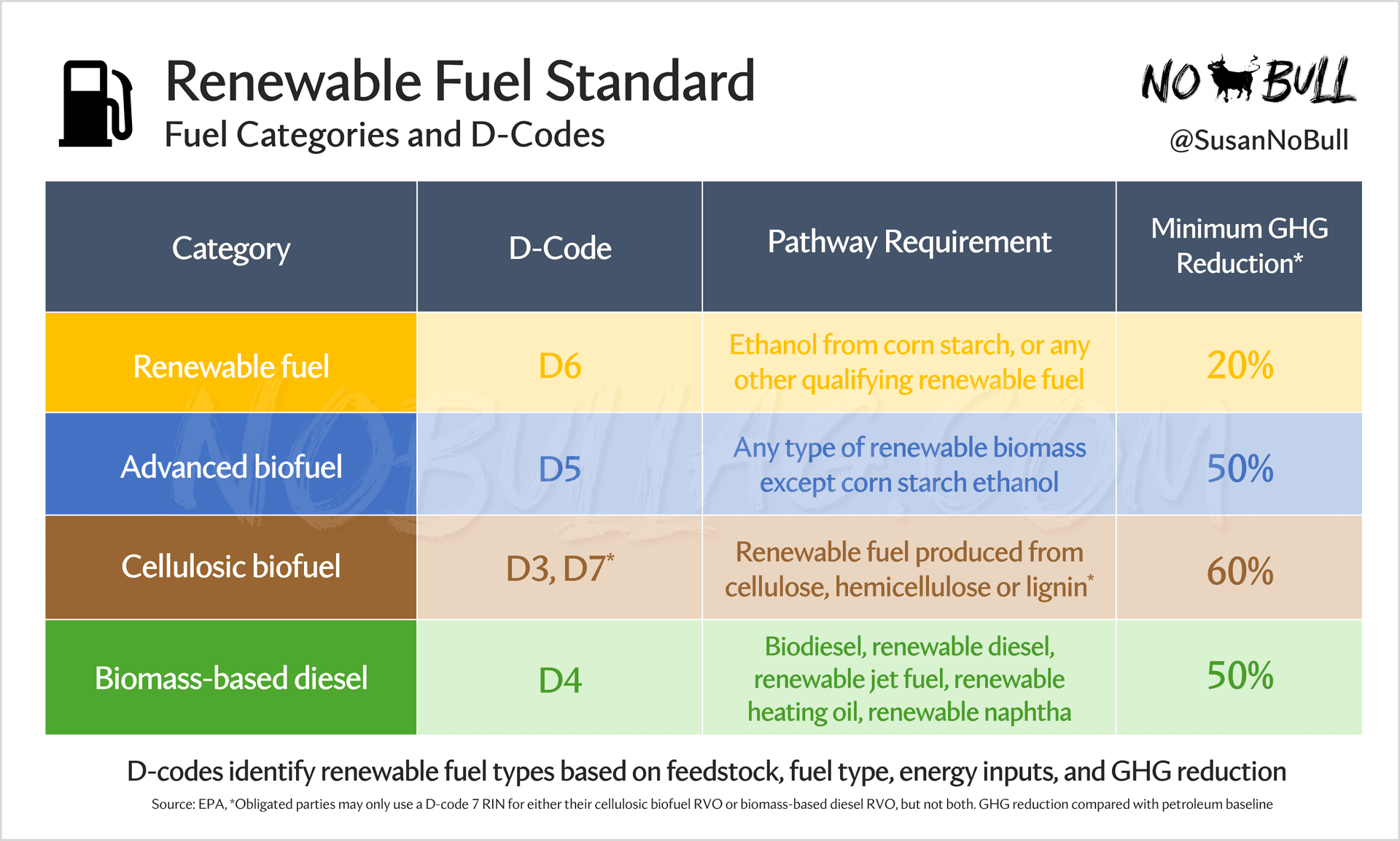
The core lesson for producers is that regulation can move faster than plant economics. EPA’s final 2026 and 2027 Renewable Fuel Standard rule, finalized in March 2026, said biodiesel and renewable diesel production and use would need to rise by more than 60% versus 2025 volumes to meet the standards, a reminder that compliance demand can tighten quickly even after a weak production quarter.
That swing matters because biodiesel margins are already exposed to feedstock costs, carbon intensity scores and blending economics. When policy signals shift, plants that lack inventory discipline, hedging tools or restart flexibility can find themselves forced to idle rather than run through a downcycle at a loss.
Operational flexibility is the difference between idling and surviving
FutureFuel Corporation offers the clearest operating model in this environment. The company said it temporarily idled biodiesel production because it did not have enough clarity around the Clean Fuel Producers Tax Credit under section 45Z, but it also said its Batesville, Arkansas facility can switch between specialty chemicals and biodiesel, giving it a way to protect utilization when one product is under pressure.
That optionality proved valuable. FutureFuel later said it brought biodiesel production back online in December after feedstock costs improved and some furloughed employees were reinstated. The sequence shows how producers can preserve optionality without surrendering the asset entirely: pause when the spread turns hostile, keep the plant capable of a restart, and retain enough workforce and operating discipline to resume quickly when margins improve.
- keep feedstock access broad enough to shift between virgin oil and waste-based inputs when the spread moves
- preserve the ability to swing the plant between products instead of locking it into one margin stack
- build maintenance and staffing plans that allow a fast restart without a long requalification period
- hedge with the policy calendar in mind, not just the cash market, because tax credit timing can change the economics as much as feedstock moves do
A workable playbook in this market is not complicated, but it is demanding:
Feedstock flexibility is now a competitive requirement
The editorial case for flexibility is strongest on the feedstock side. Biodiesel economics can tighten quickly when soybean oil, used cooking oil, tallow and distillers corn oil move out of line, and producers that can switch among them are better positioned to defend margin and carbon intensity scores at the same time. That is no longer a trading advantage alone, it is a plant strategy.
Carbon intensity pressure makes that even more important. Feedstocks with lower CI can support better values in markets that reward emissions performance, while higher-CI pathways can lose ground quickly if policy changes or credit values soften. Producers that can recalibrate feedstock slates around both cost and CI are better able to defend utilization than those chasing the cheapest barrel without regard to the carbon score it carries.
New York bioheat shows where durable demand still exists
Not every market is collapsing under the same pressure. New York’s bioheat market has a policy backbone that makes it more durable than discretionary diesel demand, even as electrification expands. State law requires rising bioheat blends in heating oil, reaching 5% by July 2022, 10% by July 2025 and 20% by July 2030 in the covered downstate counties and statewide.
The underlying demand pool is large enough to matter. NYSERDA says about 1.6 million New York households and businesses rely on oil heat, consuming more than 1 billion gallons of heating oil annually, and its 2025 energy report says fossil fuels still accounted for about 80% of final New York State energy demand in 2020. Separate 2025 legislative proposals would go further by allowing B100 or B99 biodiesel and R100 or R99 renewable fuel to be used in heating applications.
For producers, that makes bioheat a lesson in market positioning. Demand backed by a heating system that already exists, already moves volume and already has policy support is easier to defend than a margin that depends entirely on one federal incentive or one quarterly credit cycle.
LCFS and RFS reward plants that can adapt quickly
California adds another layer to the strategic map. The state’s Low Carbon Fuel Standard requires transportation fuels to have carbon-intensity scores to participate, and the program’s certified pathway tables tie value to feedstock and facility specifics. That structure rewards plants that can document their CI profile cleanly and pivot toward pathways that score better in the market.
Put together, California’s LCFS and EPA’s RFS volumes show the same thing from different angles: policy can create demand, but it can also force rapid operational adaptation. Producers that treat policy as a fixed backdrop are exposed. Producers that build around optionality, in feedstocks, products, market channels and restart timing, are better placed to survive the next swing.
The operating model has changed
The industry is moving from a build-it-and-run-it mindset to one centered on data, automation, AI and digital twins, because squeezing more value out of existing assets has become a competitive necessity. In a market where the EIA saw Q1 2025 output fall sharply, where the EPA can lift compliance demand by more than 60% in a single rule cycle, and where 45Z uncertainty can shut a plant, the producers that endure will be the ones that can change course without breaking the balance sheet.
That is the real lesson in the current volatility: biodiesel is still a policy-linked business, but the winners will be the operators that can move faster than the policy cycle, protect margin when spreads turn, and restart cleanly when the market gives them room.
This article was produced by Prism’s automated news system from verified source data, official records, and press releases, then run through automated quality and moderation checks before publishing. The system is built and supervised by the people who set the standards it runs under. Read our full AI policy.
Know something we missed? Have a correction or additional information?
Submit a Tip