Biofuels Congress 2026 spotlights feedstock and policy bottlenecks
Feedstock is the bottleneck that matters most in 2026, even as EPA’s higher RFS volumes force biofuels developers to prove they can scale supply.

Biofuels Congress 2026 on July 22-23 in Chicago will gather an industry that has moved past the question of whether low-carbon fuels have a market and into the harder test of whether the market can actually be supplied. The strongest message heading into the meeting is simple: the binding constraint in 2026 is feedstock availability, with infrastructure and regulation now acting as the next two pressure points rather than separate, equal obstacles.
Why this congress matters now
The congress positions itself as a forum for global leaders shaping biofuels through technology, sustainability and regulation, but its own framing is more revealing than any keynote slogan. The event page says the industry continues to face feedstock variability, technological limitations, infrastructure gaps and regulatory hurdles, a list that reads less like a roadmap than a diagnostic. That is why the Chicago agenda matters to ethanol, biogas and biodiesel players alike: commercial scale is being decided by supply chain execution, policy durability and the economics of raw materials, not by process chemistry alone.
The speaker list reinforces that point. It pulls in market analysts, renewable fuel developers, engineers, tax and advisory firms, feedstock and agriculture-linked organizations, and industrial equipment providers. Names tied to the program include Carl Larry, Kakha Nadiradze, Kelly Davis, Cliff Keeler, Shaun Nelson, Travis Pyrzynski, Jason Humphrey, Luis Hoffmann, Denis Pchelintsev, Dan Lieberman, Michael McNamara, Nick Cioll, Sofía Cabrera, Paul Mazzarulli and Aaron Lang, a mix that signals a working session on where capital can still earn a return. Participants from S&P Global, Enverus, GTI Energy, SunGas Renewables, Nufarm and Sulzer point to the same conclusion: the next investment dollars will go to projects that can secure molecules, move them and hold their carbon intensity line.
Feedstock is the binding constraint
If the sector is looking for the single tightest choke point in 2026, feedstock is it. EPA’s June 13, 2025 proposal for 2026 and 2027 Renewable Fuel Standard volumes set the stage by calling for 7.12 billion RINs for biomass-based diesel in 2026 and 7.50 billion in 2027, alongside 24.02 billion and 24.46 billion RINs for total renewable fuel. EPA then finalized its Set 2 rule on March 27, 2026, saying the 2026 and 2027 requirements were the highest in program history.
The final rule changed the economics quickly. EPA said the rule would create a $31 billion value for American corn and soybean oil for biofuel production in 2026 and estimated biodiesel and renewable diesel production and use would need to rise by more than 60% from 2025 volumes. EPA also projected more than $10 billion in rural economic value and more than 100,000 new jobs. That is the kind of demand shock that makes feedstock contracts, crush margins and procurement strategy central conference topics. When policy lifts required volumes that aggressively, the question shifts from whether demand exists to whether enough oil, fat and crop-based input can be assembled at the right price.
Industry analysis has already treated this as more than a routine RFS adjustment. Farmdoc daily described the 2025 EPA actions as some of the most significant regulatory developments for biomass-based diesel in the history of the program, and that assessment explains why feedstock is the line item developers are likely to spend the most time on in Chicago. Higher mandated volumes mean D4 RIN generation becomes more valuable, but only if the underlying feedstock pool can expand without blowing up project economics.
Infrastructure is the second gate
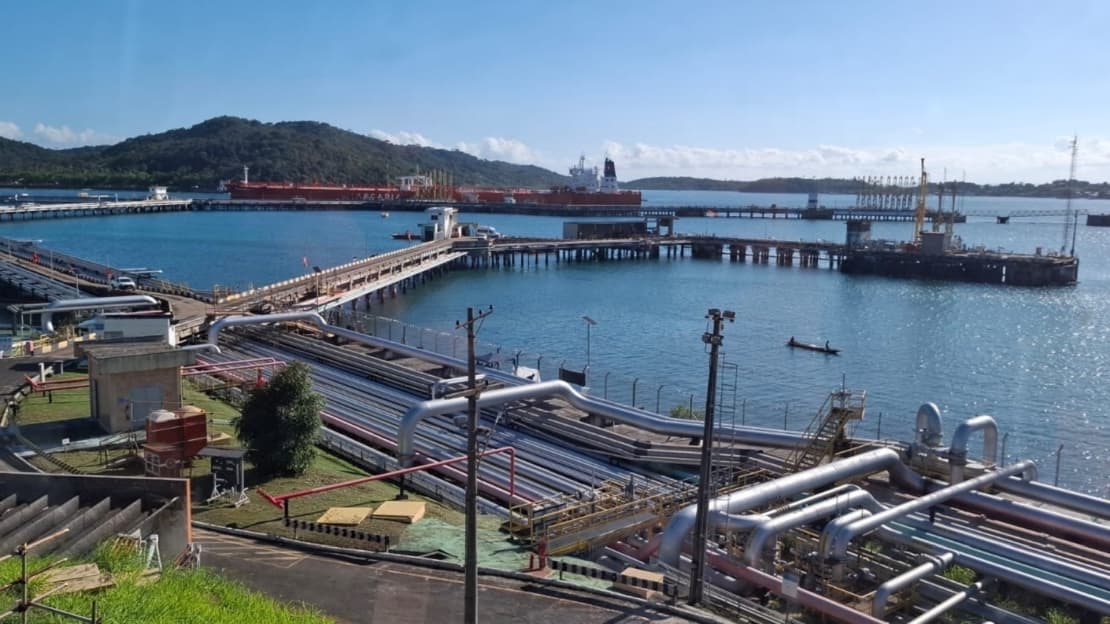
Once feedstock is secured, the sector still has to move, process and deliver it. That is why infrastructure keeps showing up in the same breath as policy. The congress page flags infrastructure gaps explicitly, and the speaker mix suggests the market understands the issue as a logistics problem as much as an engineering one. Transportation and marine stakeholders are in the room for a reason: renewable diesel, biodiesel, ethanol and biogas all depend on rail, storage, terminal capacity, blending systems and export or bunkering pathways that can keep pace with policy-led demand.

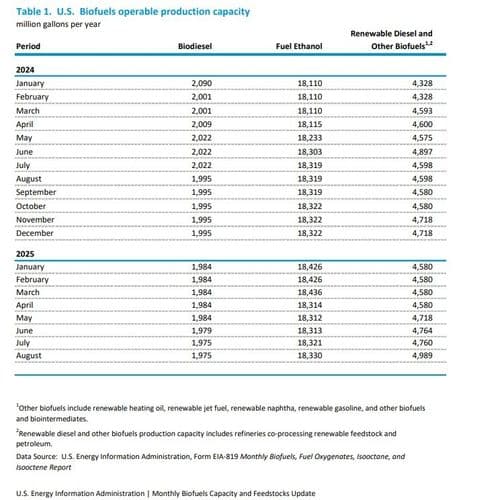
The U.S. Energy Information Administration’s Renewable Diesel Fuel and Other Biofuels Plant Production Capacity report adds another useful marker. Its current coverage runs through plants as of January 1, 2025, and the next release is scheduled for September 2026, which underscores how closely the market is tracking installed capacity against policy targets. Capacity matters, but so do the gaps between nameplate output and delivered barrels. In practice, infrastructure is the bridge between the volumes EPA wants and the gallons the market can actually clear.
That is why the Chicago agenda should matter to equipment suppliers, developers and offtakers in equal measure. A project can have favorable policy support and still stall if storage, blending, trucking, rail or marine handling cannot absorb the output. The industry’s scale problem is no longer just a plant problem.
Regulation still sets the pace
Policy is not the only bottleneck, but it remains the switch that turns feedstock demand on or off. The sequence matters: EPA proposed the rule on June 13, 2025, held a public hearing on July 8, 2025, and finalized the Set 2 rule on March 27, 2026. BioCycle reported that the final rule set biomass-based diesel volumes at 8.86 billion RINs in 2026 and 8.95 billion in 2027, removed renewable electricity from the program and delayed the imported-feedstock RIN cut because of supply-chain and fuel-price concerns.
That mix tells the market two things. First, EPA is still using the RFS to push domestic production higher. Second, it is still sensitive to logistics and price shocks that could make compliance more expensive or less predictable. For developers, financiers and offtakers, that means regulation is not just a compliance issue, it is a balance-sheet issue. A rule that looks bullish on paper can still become a margin problem if feedstock costs spike or if infrastructure cannot absorb the resulting production.
What to watch in Chicago
The most useful conversations at Biofuels Congress 2026 will not be about whether biofuels belong in the energy mix. They will be about how to scale them without overpromising on feedstock, underbuilding infrastructure or assuming policy will stay static. Expect the strongest debate around where the real constraint sits in 2026: upstream supply, midstream logistics or downstream rule durability.
For now, the answer appears to be feedstock first, with infrastructure close behind and regulation setting the pace. Chicago will test whether the industry is ready to move from ambition to execution, and whether the next wave of projects can secure the raw material, the transport chain and the policy runway needed to keep running.
This article was produced by Prism’s automated news system from verified source data, official records, and press releases, then run through automated quality and moderation checks before publishing. The system is built and supervised by the people who set the standards it runs under. Read our full AI policy.
Know something we missed? Have a correction or additional information?
Submit a Tip