Brazil ethanol expands beyond sugarcane with wheat, waste projects
Brazil is pushing ethanol beyond cane, with a 220 million-liter wheat plant and other feedstocks aimed at making supply less seasonal and less exposed to crop swings.
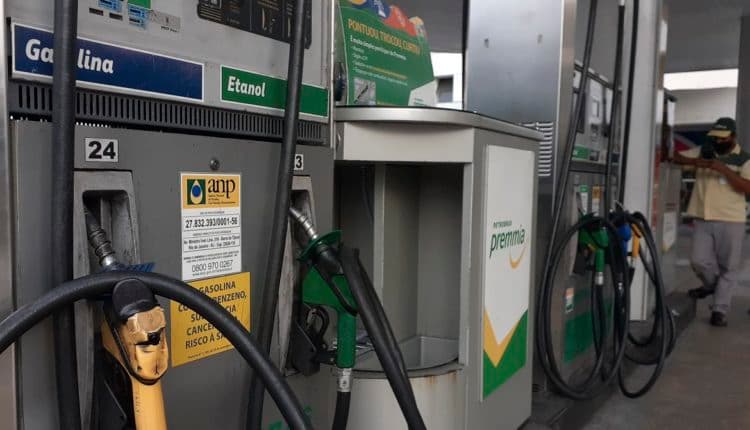
Brazil’s ethanol market is still overwhelmingly tied to sugarcane, but the next growth phase is being built around a wider feedstock basket. Sugarcane will account for about 71% of the country’s 2026 ethanol output, or roughly 28.5 billion liters, yet corn is already a major second pillar at 11.2 billion liters, and developers are now testing wheat, barley, sorghum, agave, sweet potatoes, food waste and agricultural residues as the industry looks for more resilient supply.
A market still anchored in cane
The scale of the shift matters because Brazil is not abandoning its core crop, it is adding options around it. Sugarcane remains the backbone of the market and the reason Brazil sits second only to the United States in ethanol output, but the growing list of alternative raw materials signals a sector that wants to smooth weather risk, extend operating seasons and capture value from crops and residues that once had limited industrial use.
That diversification is especially important in Brazil’s center-south, where cane dominates the historical ethanol map and where weather, harvesting patterns and mill cycles can move production sharply from one year to the next. A multi-feedstock model gives producers more ways to keep plants running and can support more regionalized industry buildout outside the cane belt.
Be8’s wheat project is the clearest signal
The most visible new investment is Be8’s wheat-based biorefinery in Passo Fundo, Rio Grande do Sul. The company is investing 1.7 billion reais, or $338 million, in a plant expected to start operations in March 2027, with annual capacity of 220 million liters of ethanol. It would be Brazil’s first large-scale facility to use wheat and other winter grains as biofuels.
The project is significant not just because of its size, but because of what it says about the operating model. Be8’s plant is designed around a broader starch platform, with reported ability to process barley, rye, sorghum, triticale, corn and rice as well. That flexibility gives the project a hedge against a single crop cycle and opens the door to a more seasonal production profile than the classic sugarcane mill.
The co-product slate also matters. The plant is expected to generate about 155,000 tons of bran a year, which can be directed into animal feed. For biofuels investors, that broadens the economics beyond fuel gallons alone and gives the project another revenue stream tied to local agricultural demand.
Why wheat, waste and sweet potatoes matter
The story line behind the new feedstocks is simple: Brazil has room to make ethanol from materials that are more geographically and seasonally diverse than cane. Wheat and other winter grains can be sourced in regions and months when cane supply is not at its peak. Food waste and agricultural residues can add volume without needing new acreage in the same way a dedicated crop would. Sweet potatoes and other starch-rich crops offer another path to regional feedstock integration.
That matters for supply resilience. If one crop faces drought, harvest delays or price spikes, producers with multiple feedstock options can pivot. It also matters for logistics, because a multi-feedstock industry can spread demand across more states, more storage points and more transport corridors rather than concentrating all risk in the cane cycle.
For investors and lenders, the practical implication is that ethanol projects in Brazil are starting to look less like single-crop mills and more like industrial processing platforms. That can improve project durability, especially in areas where the local crop mix is broader than sugarcane alone.
Policy still favors stronger domestic pull
Brazil’s policy backdrop continues to support ethanol demand even as supply diversifies. UNICA says ethanol in Brazil is currently produced from sugarcane and corn, and it notes that since August 2025 the gasoline type C blend requirement has been 30%. Higher blend demand helps keep the domestic market tight enough to absorb new production, which is important when developers are making large bets on nontraditional feedstocks.
That domestic pull is part of why Brazil is being watched as a laboratory for multi-feedstock ethanol. The country already has the market size, logistics network and policy architecture to support innovation. What is changing now is the raw material base. Instead of treating ethanol as a sugarcane-only product, the industry is beginning to treat it as a flexible fuel system that can be built around whatever carbohydrate stream is available locally.
The policy foundation goes back to Proálcool
Brazil’s diversification push is rooted in a long policy history. The federal Proálcool program was formally instituted on November 14, 1975, by Decree No. 76,593, in response to the oil shocks of the 1970s. That decision created the foundation for the country’s sugarcane-based fuel industry and helped turn Brazil into the world’s largest producer and exporter of sugarcane ethanol.
That history is what makes the current shift more consequential. Brazil is not inventing ethanol policy from scratch, it is extending a mature industrial base into new feedstocks and new regions. The transition from a cane-led system to a broader carbohydrate platform is the next logical step for a country that has already spent decades proving ethanol’s role in mobility and energy security.
EPE is already treating diversification as mainstream planning
The Energy Research Office, or EPE, is studying the total ethanol supply with a much wider lens than sugarcane alone. Its work includes sugar and sugarcane production, production capacity, infrastructure and logistics, as well as energy cane, 2G ethanol and corn ethanol. That matters because it shows the government’s planning apparatus is no longer viewing diversification as an experiment on the margins.
In practical terms, EPE’s scope suggests the future Brazilian ethanol system will be judged not just on output volume, but on how well it can connect multiple feedstocks, multiple technologies and multiple regional supply chains. Energy cane and 2G ethanol fit into that framework alongside wheat-based and residue-based projects, giving the country several routes to growth at once.
The market signal for investors
For biofuels investors, the takeaway is twofold. First, feedstock diversification can reduce exposure to sugarcane volatility and to the concentration risk that comes with one dominant crop. Second, it creates room for new co-product economics and regional development in places that were never built around cane.
Brazil’s ethanol story is no longer only about harvesting more cane or grinding more corn. It is about building a more adaptable system, one that can use winter grains, residues, waste streams and starch crops to keep plants running and margins steadier. If the Be8 project reaches startup in March 2027 as planned, it will be one of the clearest markers that Brazil’s ethanol growth story has moved well beyond its original model.
This article was produced by Prism’s automated news system from verified source data, official records, and press releases, then run through automated quality and moderation checks before publishing. The system is built and supervised by the people who set the standards it runs under. Read our full AI policy.
Know something we missed? Have a correction or additional information?
Submit a Tip