Brazil tests first ethanol engine for grid power generation
Brazil put a modified Wärtsilä 32M on ethanol at Suape II, testing whether sugarcane fuel can provide dispatchable grid power.
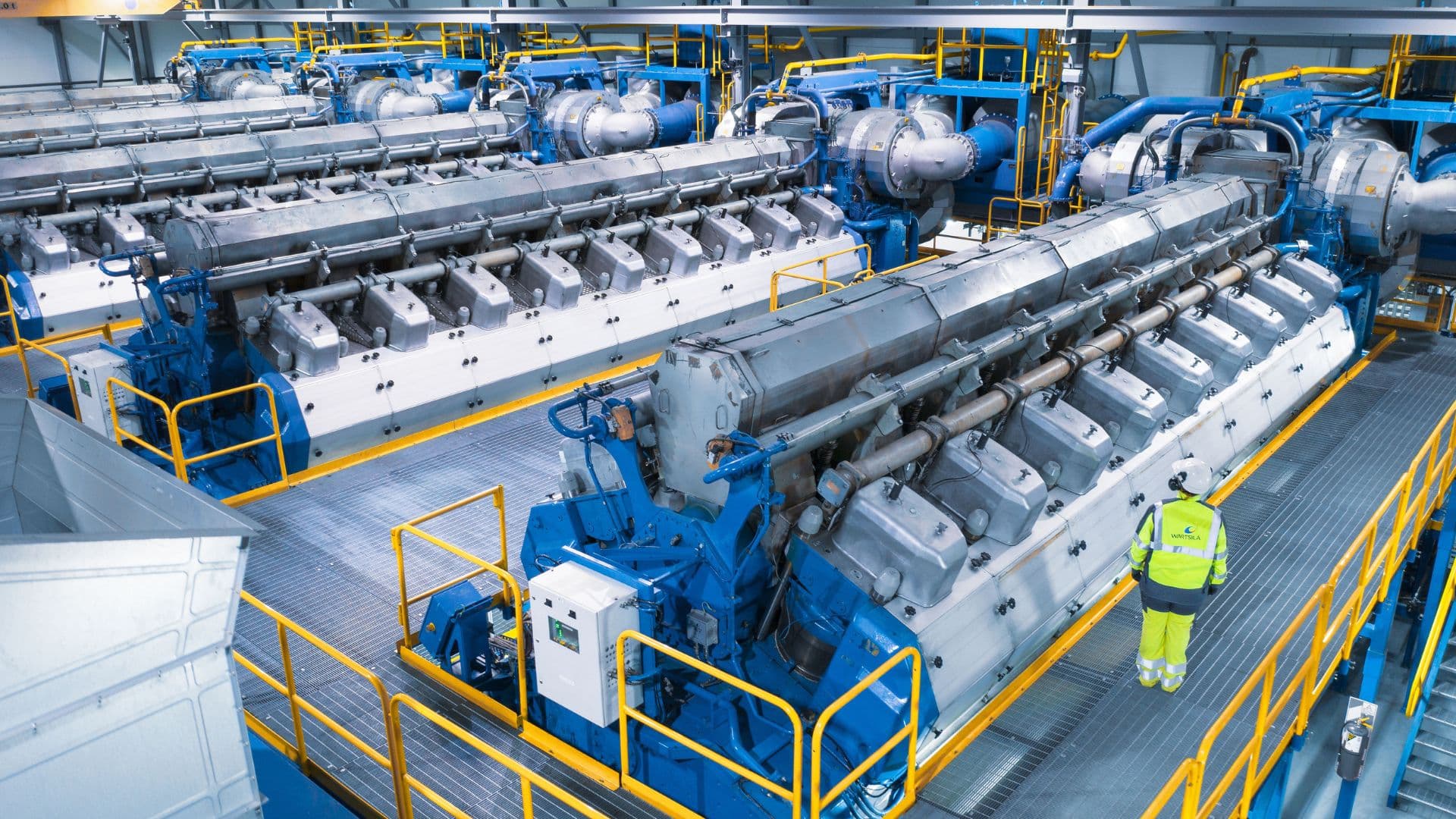
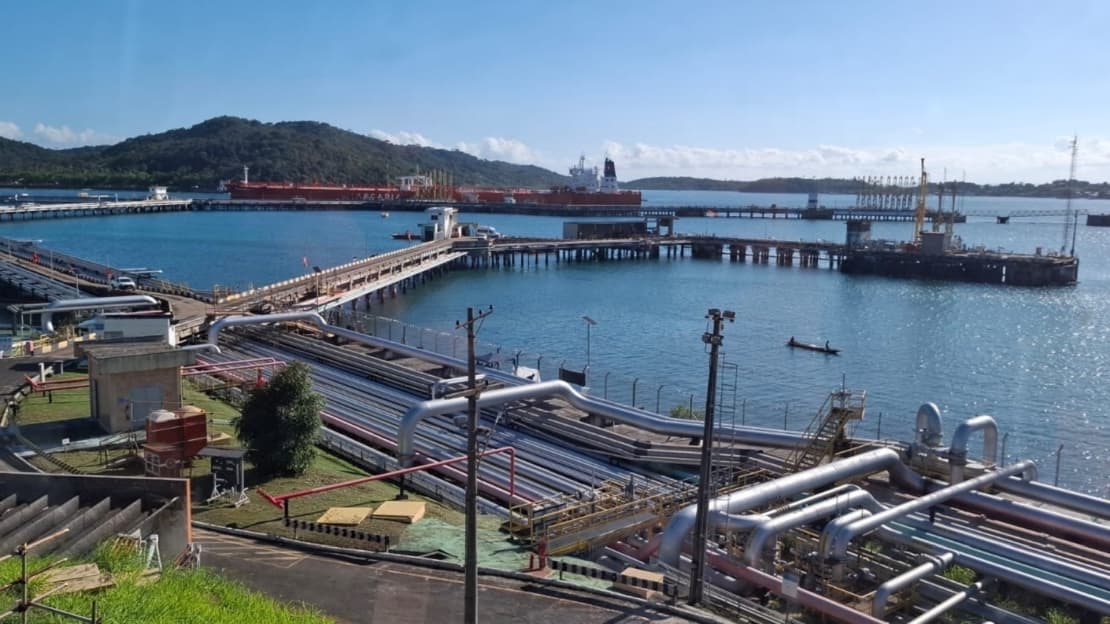
Brazil has started testing the world’s first engine built to run almost entirely on ethanol for large-scale thermal power generation, a trial at the Suape II power plant in Pernambuco that could open a new demand center for sugarcane fuel. Suape Energia and Wärtsilä completed the implementation phase on June 2, clearing the modified Wärtsilä 32M unit for real-world operational testing.
The project pushes ethanol beyond its traditional role as a transport fuel and into grid-support generation, where operators need power that can be dispatched when the system calls for it. Brazil already ranks among the world’s largest ethanol producers and consumers, so a successful trial would give the industry a fresh outlet beyond the pump and the blending market.
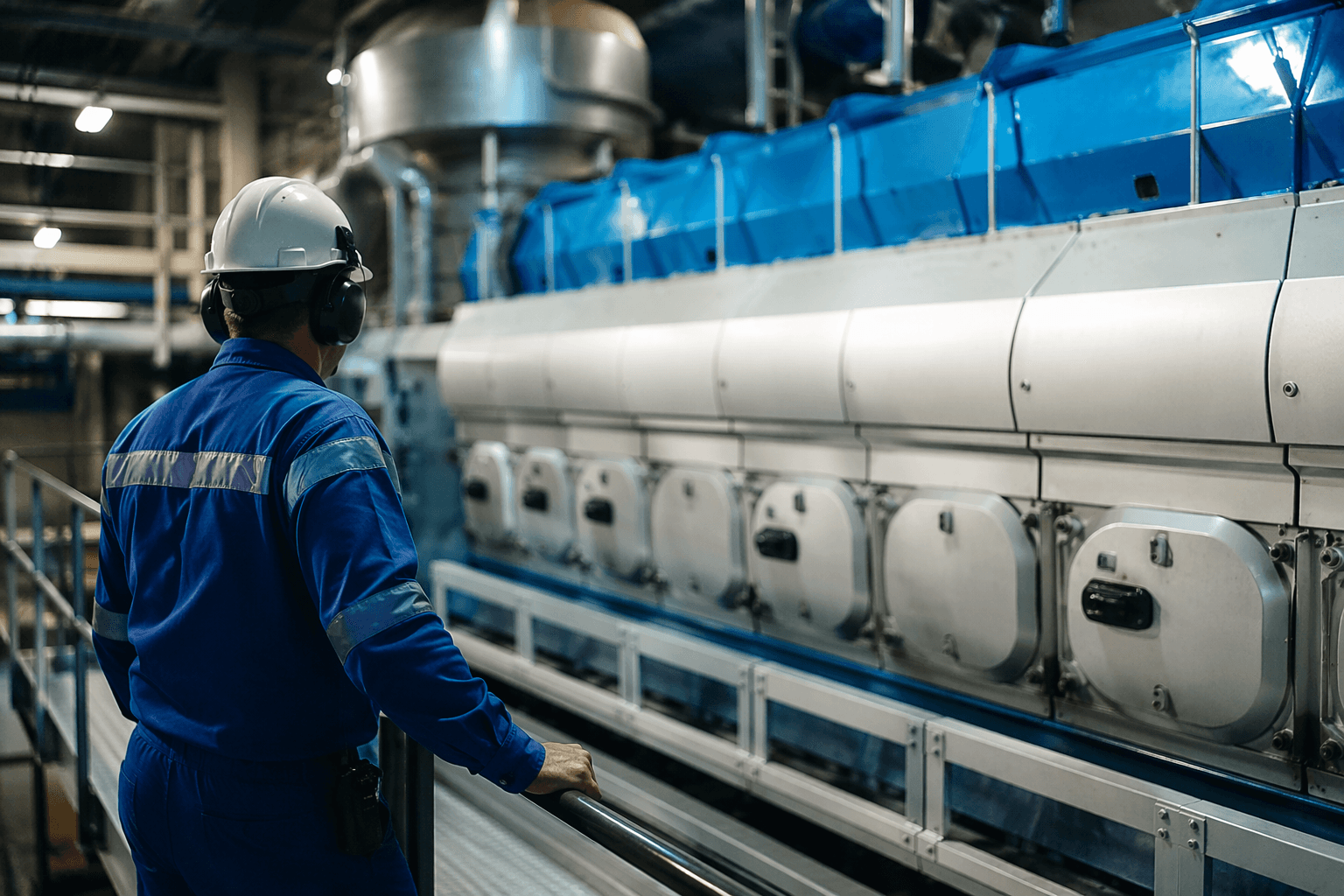
That is the central test here: whether sugarcane-based ethanol can be practical at utility scale as a dispatchable fuel. If the engine performs as intended, it would give grid operators another option for balancing intermittent wind and solar output, providing electricity on demand rather than only when weather conditions cooperate. In a power system that is adding more variable renewables, that kind of flexibility matters as much as the nameplate output itself.
For sugarcane ethanol producers, the appeal is not just additional volume. A reliable power market would create a new use case for liquid biofuels in a sector that has already built out harvesting, logistics and processing around large-scale fuel supply. It also gives technology vendors and utilities a live case study in whether ethanol can compete on technical performance and economics against other dispatchable resources already used for thermal generation.
The wider significance is that Brazil may be testing a path other ethanol producers could follow in markets with strong renewable buildout, domestic biofuel capacity and a need for firm power. If the Suape II trial proves workable, ethanol could become relevant not only to mobility but also to energy-system security, emissions reduction and grid resilience. That would make this more than a plant test, it would mark a potential expansion of the ethanol market into power generation.
This article was produced by Prism’s automated news system from verified source data, official records, and press releases, then run through automated quality and moderation checks before publishing. The system is built and supervised by the people who set the standards it runs under. Read our full AI policy.
Know something we missed? Have a correction or additional information?
Submit a Tip