Clean Energy Fuels starts negative-carbon RNG production in Idaho dairy project
Clean Energy Fuels said its Idaho dairy site has started making negative-carbon RNG from manure at a 35,000-cow complex, unlocking RINs and LCFS credits.
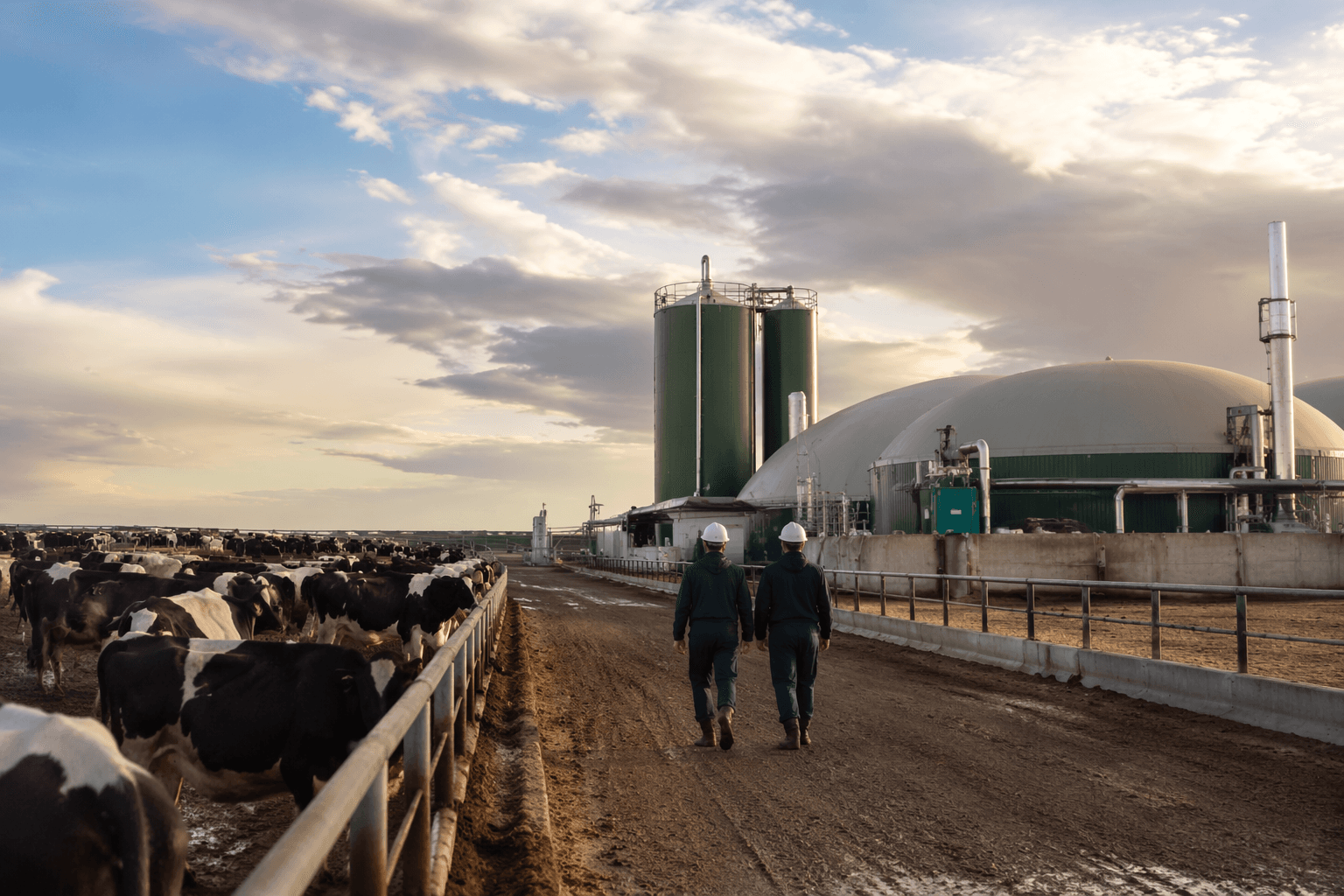
Clean Energy Fuels Corp. on June 4 started producing and injecting negative-carbon-intensity renewable natural gas from its East Valley Cattle dairy project in Jerome, Idaho, completing its eighth dairy RNG facility and adding another large-volume source of pipeline gas tied to manure management. The site is designed to turn waste methane into transportation fuel, a model that now rests as much on scale and interconnection as on carbon claims.
East Valley Cattle sits in one of the largest single-site dairy and RNG complexes in North America, and Clean Energy said the farm is home to more than 35,000 cows. The project uses six anaerobic digesters, a municipality-scale wastewater treatment system and advanced manure separation technology to capture methane that would otherwise escape from manure storage and handling. Clean Energy said the facility can process more than 5 million gallons of manure a day, with byproducts reused onsite as bedding for livestock and crop fertilizer.
The company said the East Valley Dairy project recognized its first revenue in the first quarter of 2026, a sign that the asset had moved beyond construction into commercial output. The RNG produced at the site received approval from the U.S. Environmental Protection Agency to generate Renewable Identification Numbers under the Renewable Fuel Standard and approval from the California Air Resources Board to generate Low Carbon Fuel Standard credits, the two compliance pathways that help determine project economics.
Those approvals also put the climate accounting question back in focus. Dairy RNG is marketed as a low-carbon transportation fuel because it captures methane from manure, but the credit value depends on how regulators score the project’s carbon intensity and how the gas is handled from digester to pipeline. Clean Energy said the East Valley output is negative-carbon-intensity RNG, a label that strengthens the case for the project in fleets seeking lower lifecycle emissions and in markets that reward deeper carbon cuts.
The facility was financed through CE bp Renew Co., the joint venture between Clean Energy and bp, underscoring how large developers are pairing balance-sheet support with long-duration feedstock supply to build out dairy RNG at commercial scale. Clean Energy’s latest Idaho start-up shows the segment is moving from isolated projects to repeatable infrastructure, but it also shows that the market still hinges on proving both operational consistency and defensible carbon performance.
This article was produced by Prism’s automated news system from verified source data, official records, and press releases, then run through automated quality and moderation checks before publishing. The system is built and supervised by the people who set the standards it runs under. Read our full AI policy.
Know something we missed? Have a correction or additional information?
Submit a Tip