Clean Fuels launches national fuel quality reports across multiple fuels
Clean Fuels’ new reports span biodiesel, ethanol, gasoline, diesel and aviation fuels, aiming to turn quality data into a market benchmark.
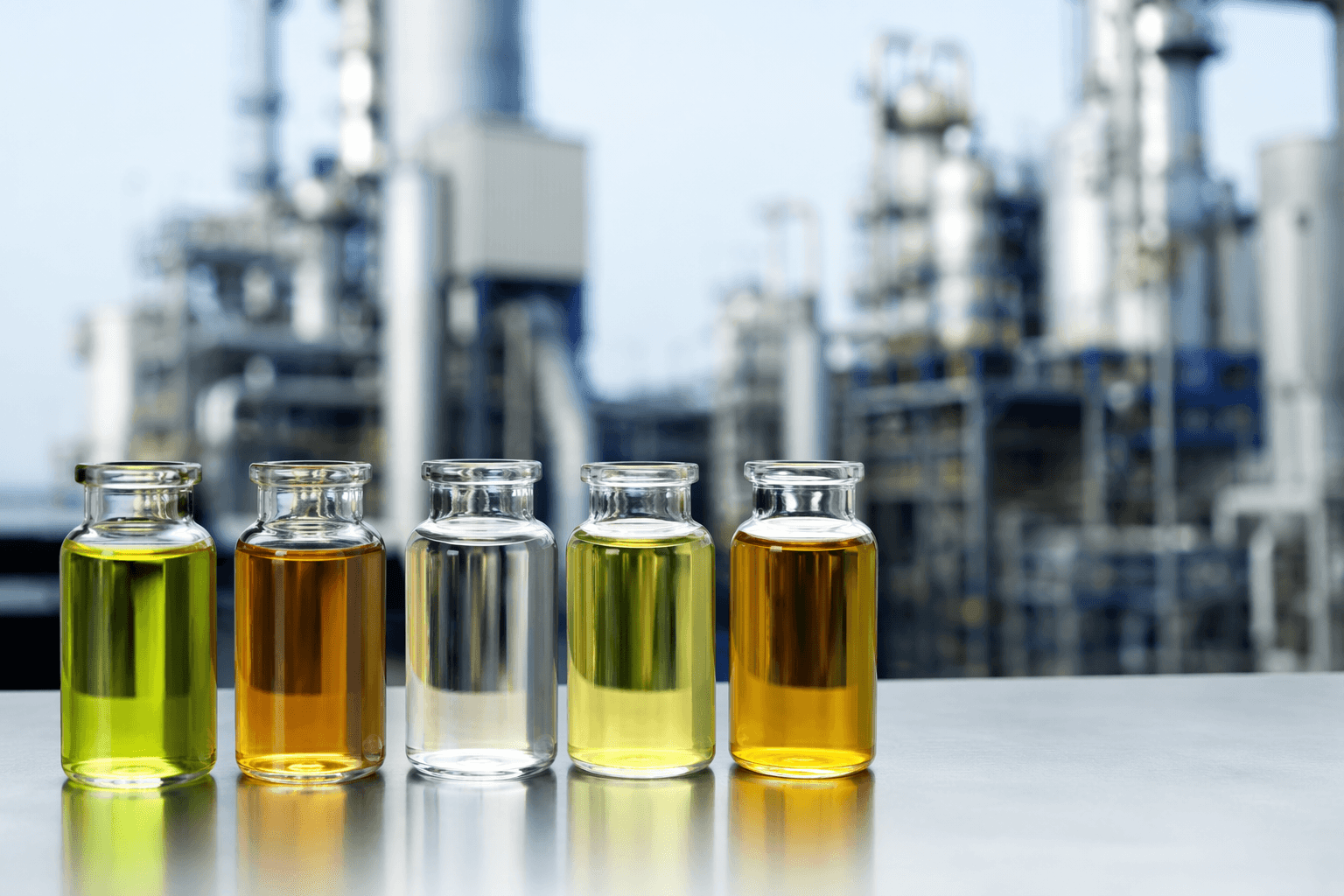
Clean Fuels Alliance America on May 27 launched National Fuel Quality Reports across biodiesel, diesel, gasoline grades, ethanol, aviation fuels, kerosene and specialty blends, a move meant to answer a basic trust question as low-carbon fuels reach more engines and fleets: do the quality numbers show consistent performance, or just offer reassurance? The organization said the reports pull from multiple points across the national fuel distribution system and convert that information into statistical analysis of nationwide quality trends, rather than raw batch data.
Scott Fenwick, Clean Fuels’ technical director, said the industry needs “quality assurance and transparency more than ever,” and described the reports as “an unprecedented view of real fuel quality trends across the country.” Clean Fuels said the practical aim is to help fuel marketers, distributors, fleets, fuel buyers and OEMs benchmark performance and improve housekeeping programs, while giving participants more confidence in the fuels they buy and sell.
The new series extends a model that has been in place around biodiesel since 2017 through BQ-9000, the quality-assurance program administered by the National Biodiesel Accreditation Commission. Clean Fuels said annual reporting under that program has consistently shown biodiesel from accredited producers exceeding ASTM D6751 quality specifications. The reports also build on annual BQ-9000 producer data collected and analyzed by the commission and the National Renewable Energy Laboratory, which said its 2024 assessment was the eighth in the series and examined monthly quality data against ASTM D6751 and Canadian CAN/CGSB-3.524 specifications.
Clean Fuels said the broader reporting framework now covers B99/B100, B6+ blends, E15 to E85 gasoline, Jet A and Jet A-1, 100LL AvGas, regular, mid-grade and premium unleaded gasoline, regular and premium BOBs, #1 and #2 diesel, and #1 and #2 kerosene. The organization, based in Jefferson City, Missouri, said BQ-9000 remains open to biodiesel manufacturers, marketers and distributors in the United States and Canada, and that the new reports extend that discipline across a wider fuel landscape.
The timing matters. The U.S. Environmental Protection Agency finalized Renewable Fuel Standard volumes and percentage standards for 2026 and 2027 in April, and said meeting those levels would require biodiesel and renewable diesel production and use to rise by more than 60% versus 2025 volumes. As that market expands, Clean Fuels is betting that quality data can do more than document compliance, it can lower logistics risk, reduce downtime and become a competitive advantage.
This article was produced by Prism’s automated news system from verified source data, official records, and press releases, then run through automated quality and moderation checks before publishing. The system is built and supervised by the people who set the standards it runs under. Read our full AI policy.
Know something we missed? Have a correction or additional information?
Submit a Tip