Dutch firm designs biodegradable test for microplastics in the body
Okos Diagnostics sketched a zero-waste microplastics test that uses a biodegradable cassette and color readout, aiming at a market that throws away billions of rapid tests.
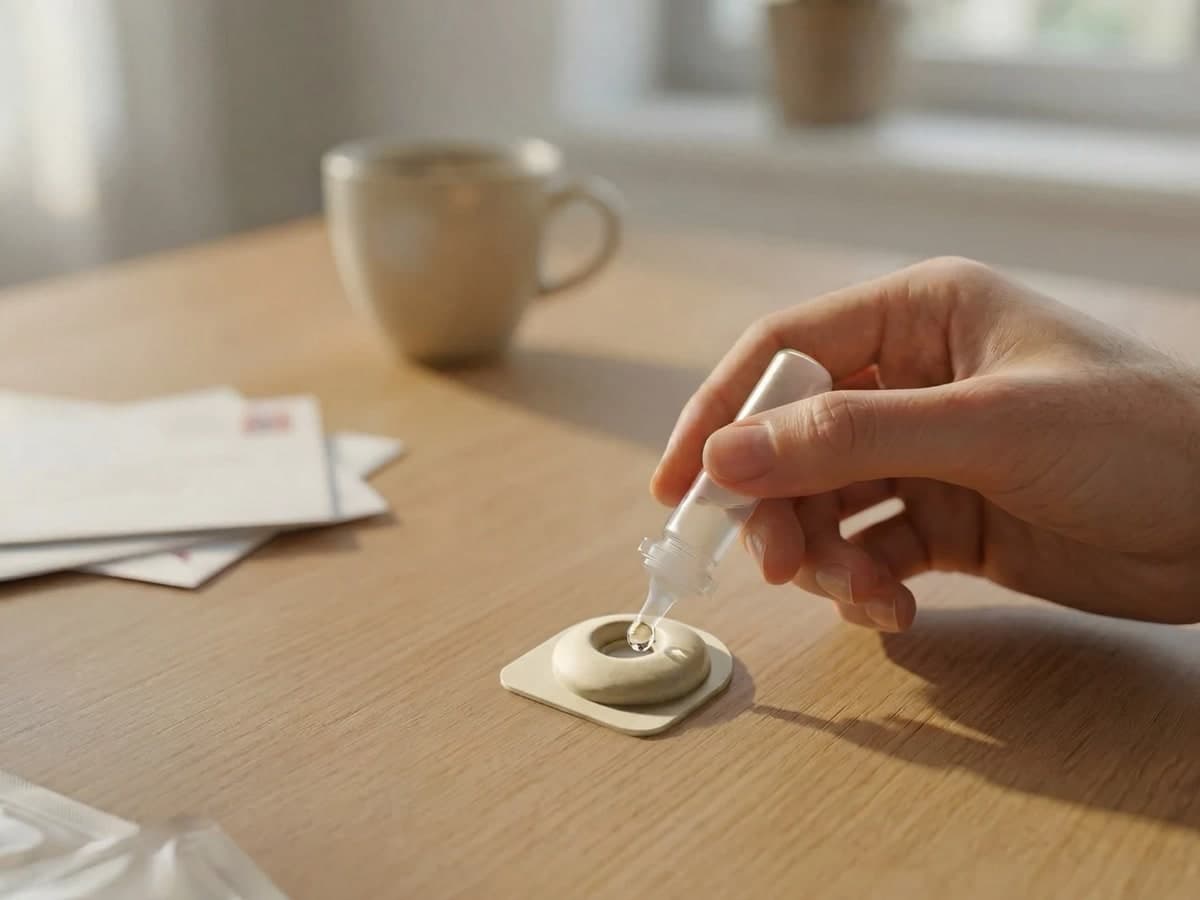
Okos Diagnostics has outlined a biodegradable microplastics test that would flag contamination in the human body while cutting the plastic waste generated by single-use diagnostics. The Netherlands-based MedTech company, founded in 2022, said the concept, called Measuring the Invisible, was developed with industrial designer Luis Fernando Barrios and built around a fully bio-based cassette that can fit existing manufacturing methods.
The proposed kit uses a vertical-flow system in which a biological sample meets a reactive surface and produces a chromatic response tied to the presence and concentration of specific microplastic particles. Instead of the familiar two-line rapid-test format, the readout is a dot-based visual field, with color intensity indicating the level of contamination. Okos says the underlying biodegradable materials are intended to work within current production lines, a detail that matters in a diagnostics sector built on high-volume, low-cost disposable plastics.
The company’s pitch is aimed at a growing waste problem as much as a health one. Okos says billions of rapid tests are used once and discarded, creating tens of thousands of tonnes of plastic waste, and it says its biodegradable cassette can reduce that burden. MEDICA Portal has put annual rapid test-kit production at more than 2 billion units, adding tens of thousands of tons of used materials to the global medical-waste stream. Okos says it has already developed and patented fully bio-based, biodegradable cassettes for lateral flow assays, positioning the concept as an extension of a broader push to replace petro-derived plastics with renewable, compostable materials.
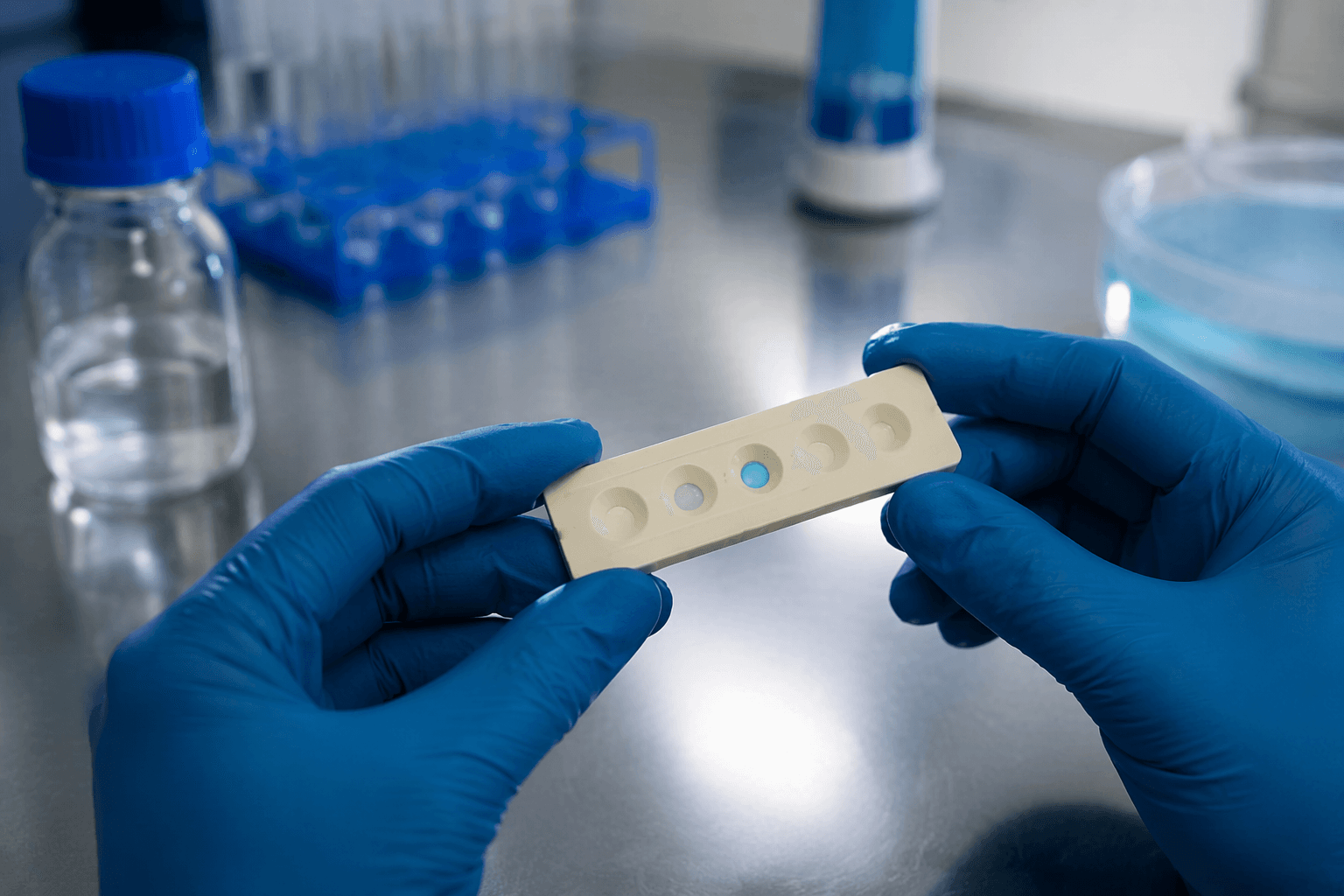
The timing tracks with wider regulatory and scientific pressure around microplastics. The European Commission’s restriction on intentionally added microplastics began applying on October 17, 2023, and the World Health Organization said in 2022 that available data were still insufficient for a robust human health risk assessment. Since then, studies have reported microplastics in 18 of 20 healthy volunteers’ blood samples, in all six human placentas analyzed in a 2021 study, and in all 62 placenta samples in a 2024 study, with concentrations ranging from 6.5 to 790 micrograms per gram of tissue.
For now, Measuring the Invisible remains a design concept rather than a validated clinical assay. Even so, it lands in the same bioeconomy lane as other efforts to replace fossil-based materials, linking diagnostics, biodegradable polymers and the same manufacturing logic that is reshaping biofuels, bio-based plastics and other lower-waste industrial products.
This article was produced by Prism’s automated news system from verified source data, official records, and press releases, then run through automated quality and moderation checks before publishing. The system is built and supervised by the people who set the standards it runs under. Read our full AI policy.
Know something we missed? Have a correction or additional information?
Submit a Tip