ENOC, Allied Biofuels explore SAF distribution link from Uzbekistan
ENOC and Allied Biofuels moved to build a SAF corridor from Uzbekistan to Middle Eastern airports, with a working group to test a long-term route.
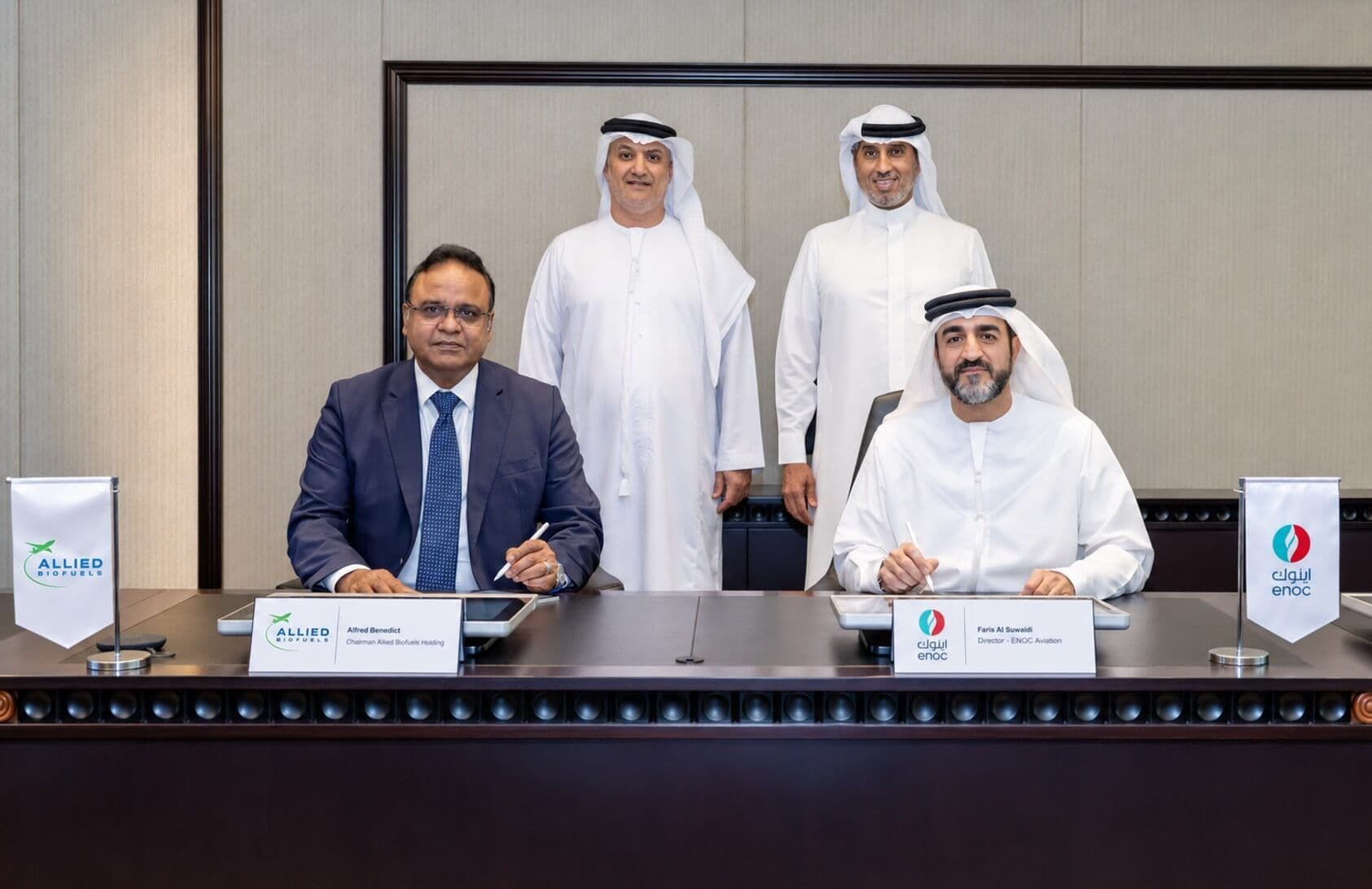
ENOC Group on June 2 signed a memorandum of understanding with Allied Biofuels Holding to explore the offtake and distribution of sustainable aviation fuel and electro-synthetic SAF across local, regional and international markets, an early commercial step toward a new supply corridor from Central Asia into the Middle East.
The fuels would come from Allied Biofuels’ facility under development in Uzbekistan, and the two companies said they would create a dedicated working group to assess whether a long-term distribution pathway could be built on a commercially viable basis. ENOC’s role is significant because the company is already a major aviation fuel supplier in the region, giving the partnership a potential bridge from future production volumes to airport consumption.
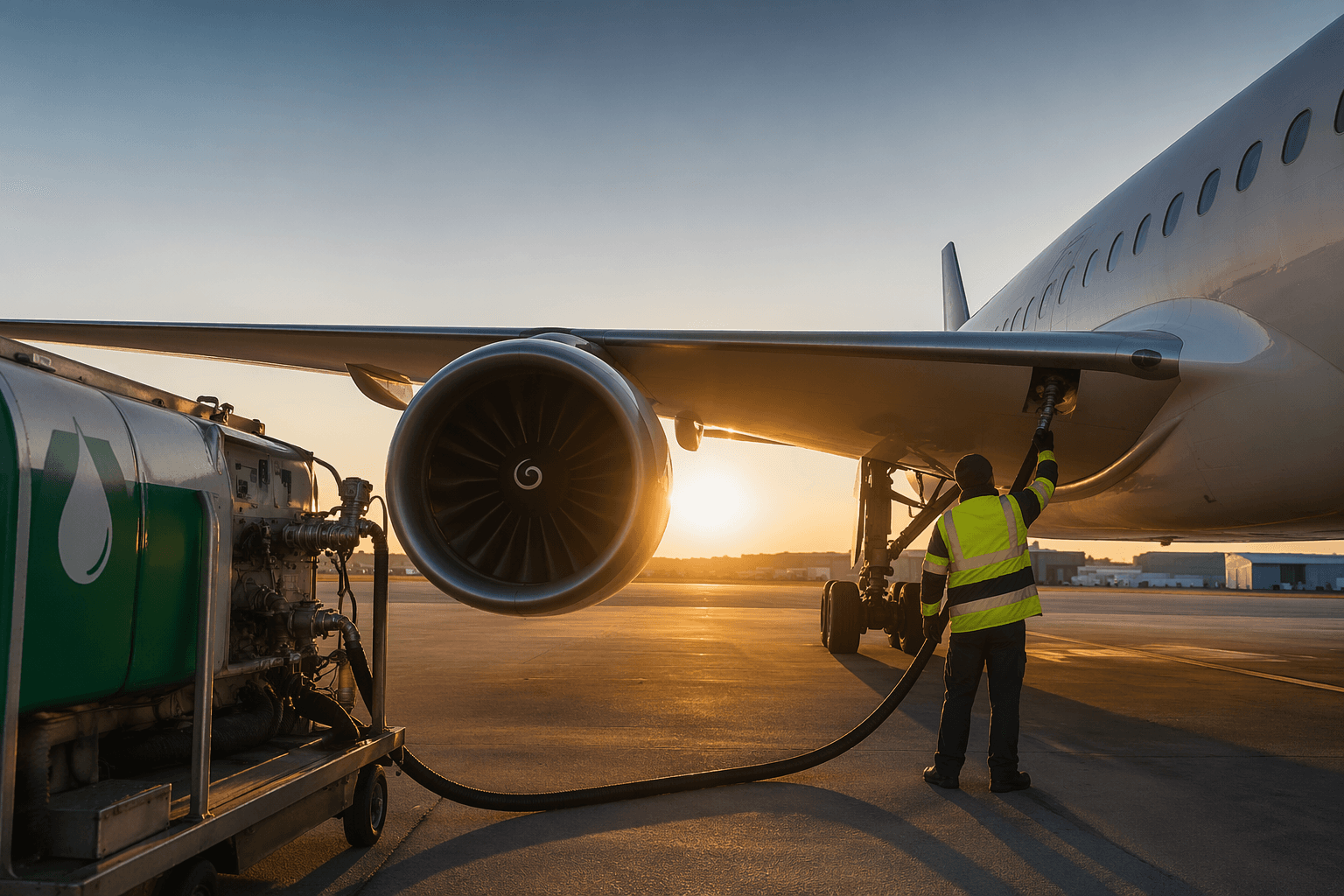
The deal underscores how SAF scale-up now depends on more than plant construction. Allied Biofuels is positioning the Uzbekistan project as a source of both SAF and eSAF for local and international markets, but the route from production to aircraft hinges on certification, logistics, feedstock security and binding offtake. Without those links, new gallons can sit outside aviation networks even if the underlying conversion capacity comes online.
For ENOC, the agreement also fits within the United Arab Emirates’ SAF Roadmap 2030 and Net Zero 2050 strategy, which frames low-carbon jet fuel as part of the country’s broader decarbonization plan. For Allied Biofuels, it offers a path to turn a Central Asian production asset into traded supply with access to regional demand centers and potentially wider export markets.
The move reflects a shift in SAF development from isolated project announcements toward ecosystem building, where refiners, fuel distributors, project developers and end users must align before volumes can move at scale. In this case, the commercial question is not just whether the Uzbekistan plant is built, but whether ENOC and Allied Biofuels can turn it into a repeatable distribution channel that Middle Eastern airlines and fuel buyers can actually use.
This article was produced by Prism’s automated news system from verified source data, official records, and press releases, then run through automated quality and moderation checks before publishing. The system is built and supervised by the people who set the standards it runs under. Read our full AI policy.
Know something we missed? Have a correction or additional information?
Submit a Tip