FrontFuel links biogas to aviation fuel in end-to-end SAF demo
FrontFuel turned biogas and CO2 into synthetic crude at Foulum, pushing a power-to-liquids SAF chain from syngas to upgrading in one run.
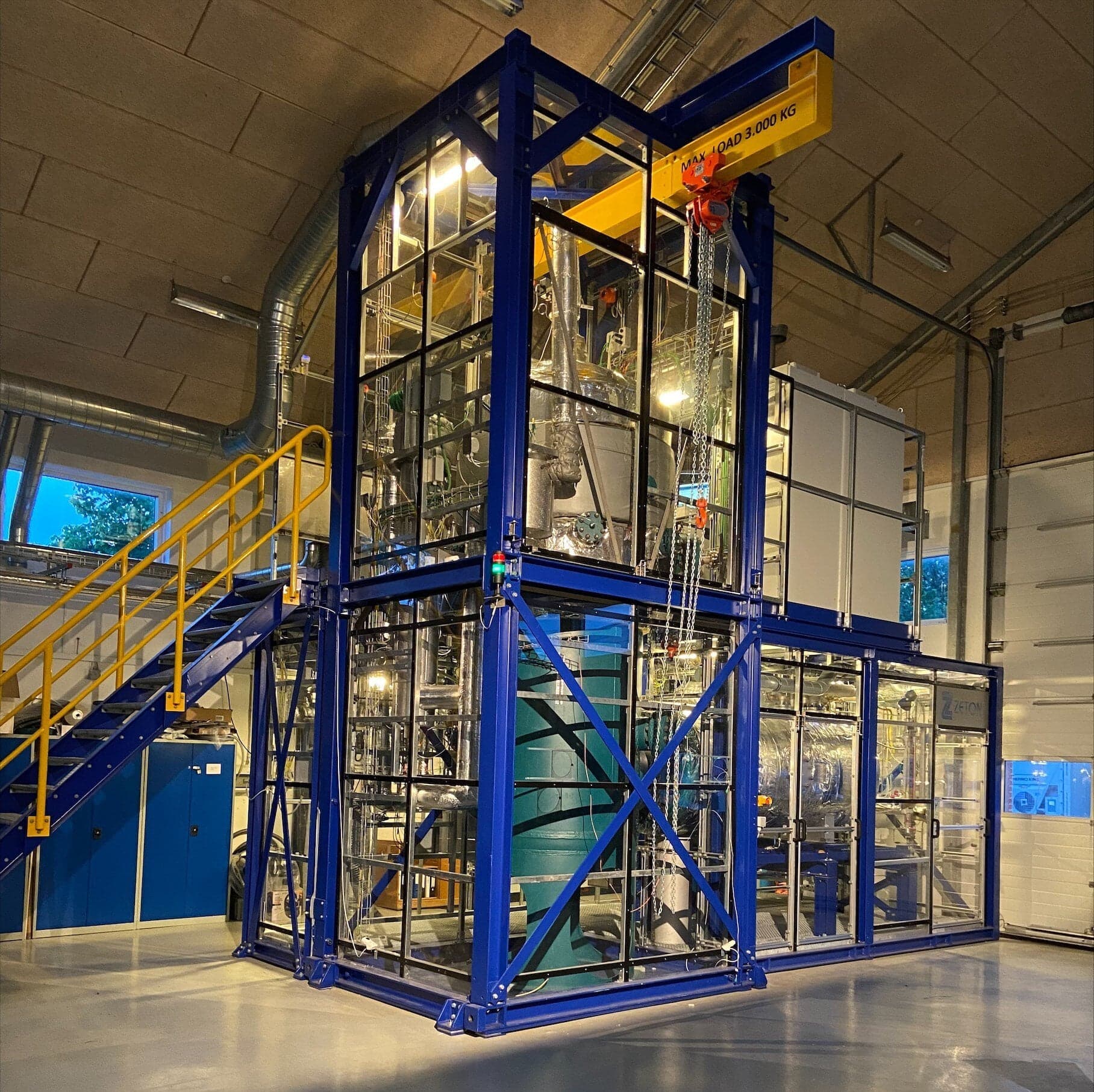
FrontFuel tied biogas, biogenic carbon dioxide and hydrogen into synthetic crude at Aarhus University’s Foulum site, a step Topsoe described as an industry-first handoff from syngas to aviation-fuel-range product. The demonstration matters because it links the full conversion chain in one setting, not just a single chemistry step.
Topsoe said in February 2025 that the FrontFuel SynFuels setup had successfully converted biogas and CO2 into synthetic crude at Foulum by combining its eREACT technology with Sasol’s Fischer-Tropsch process. The company said the next stage was to refine that syncrude into synthetic paraffinic kerosene that meets ASTM D7566 specifications, the fuel standard that governs SAF blending pathways. That upgrade step is where many power-to-liquids concepts tighten up on integration risk, because a clean syngas result does not guarantee smooth downstream refining.
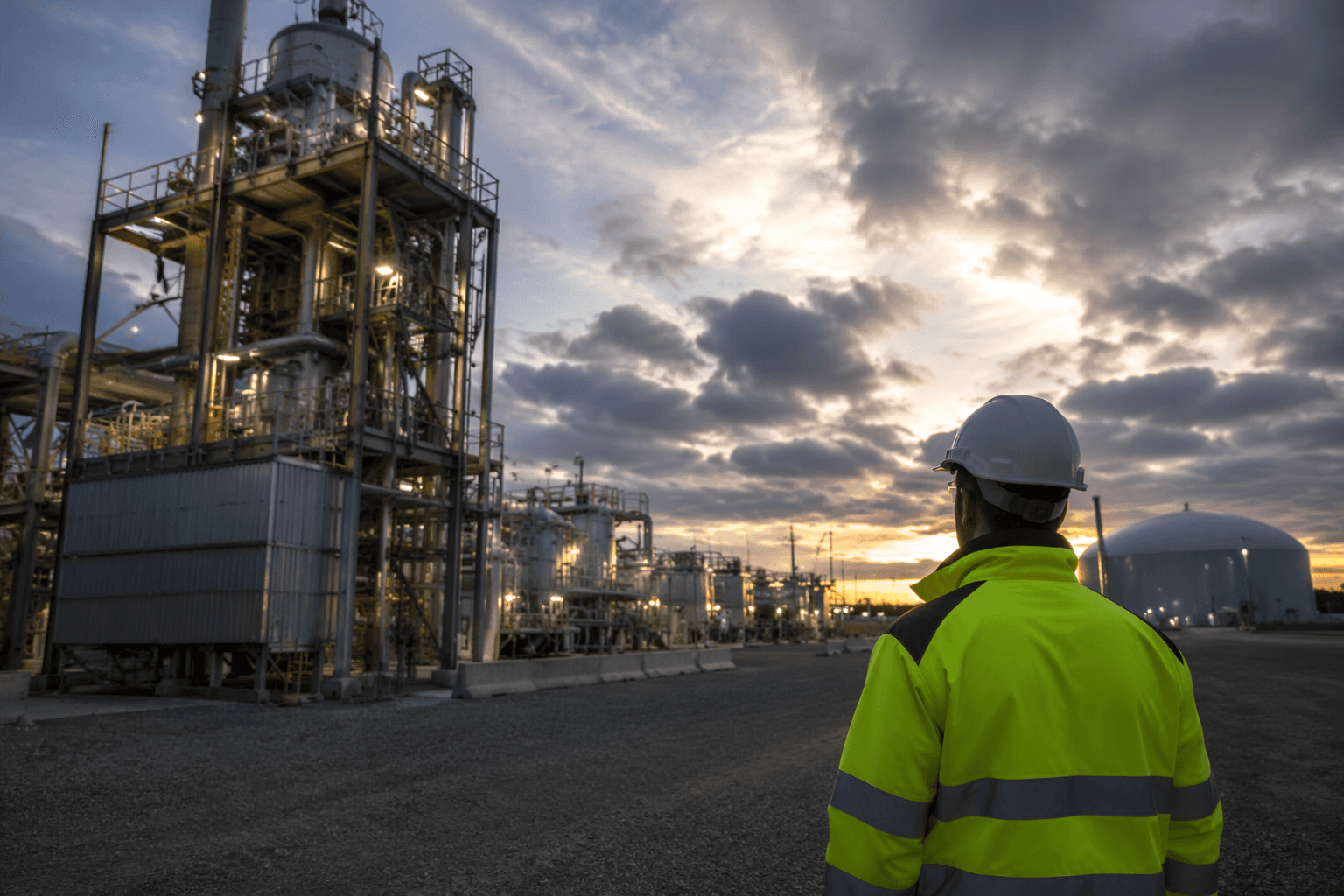
The project was first announced on July 5, 2023, as a planned demonstration facility at AU Viborg in Foulum, with Topsoe saying it had secured a DKK 26.9 million grant from Denmark’s Energy Technology Development and Demonstration Programme. Aarhus University described FrontFuel as a collaboration with Topsoe and Sasol to show the entire SAF value chain, from renewable electricity and hydrogen through synthetic crude to finished aviation fuel. The university said civilian air traffic accounts for about 2% of man-made CO2 emissions and roughly 4% to 5% of the total global greenhouse effect, underscoring why liquid drop-in fuels remain central to decarbonizing flight.
The technical significance of FrontFuel is not the chemistry alone, but the coupling of technologies that usually advance on separate tracks. Topsoe said the configuration blended biogenic CO2, biogas and hydrogen to make syngas, then syncrude, creating a pathway that can be adapted for e-SAF, e-diesel and e-naphtha under its G2L eFuels model. For investors and policymakers, that matters because power-to-liquids projects tend to carry higher capital intensity and more complex system design than HEFA-style fuel plants.
Aarhus University’s Foulum campus already hosts power-to-X and biogas research facilities, which made it a practical demonstration hub for the work rather than a greenfield test bench. If FrontFuel can keep the conversion train stable as it moves from synthetic crude to ASTM D7566 kerosene, it will strengthen the case for integrated e-SAF projects built around industrial biogenic carbon rather than a single feedstock or process block.
This article was produced by Prism’s automated news system from verified source data, official records, and press releases, then run through automated quality and moderation checks before publishing. The system is built and supervised by the people who set the standards it runs under. Read our full AI policy.
Know something we missed? Have a correction or additional information?
Submit a Tip