FutureFuel’s chemicals-first model helps it ride biodiesel market swings
FutureFuel's chemicals business lets it idle biodiesel when margins crack, then restart when policy and spreads improve.
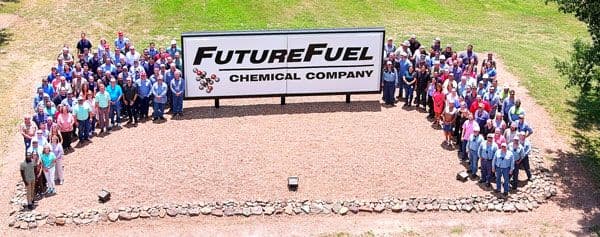
FutureFuel Chemical Company has built a business that can lean away from biodiesel when the market turns and lean back in when conditions improve. At Batesville, Arkansas, the company runs a chemicals complex first and a fuel plant second, with a slate broad enough to keep cash flowing through feedstock spikes, policy shifts and weak fuel margins.
Chemicals first, fuel second
FutureFuel’s key advantage is structural, not cyclical. The company says its Batesville site diversified into biodiesel production in late 2005 as a local effort to fuel employees and the Legacy truck fleet, then moved from batch production to continuous operation. That fuel line now sits inside a larger chemicals platform, which FutureFuel organizes into Chemicals and Biofuels segments.
The Chemicals segment is the stabilizer. FutureFuel says it includes both custom manufacturing for single customers and performance chemicals sold to multiple customers, and that most chemicals revenue comes from custom manufacturing. Its portfolio spans biocides intermediates, specialty polymers, dyes, stabilizers, oil and gas chemicals and chemical intermediates. That breadth matters because it gives the company a way to keep the site active even when biodiesel economics are too thin to justify full-rate fuel production.
Why the biodiesel line can be turned down
The biodiesel side is still meaningful. FutureFuel says the Batesville site can make more than 60 million gallons per year of biodiesel, and that it is the largest biodiesel producer in the Southeastern United States. The plant can move product by truck or rail, which helps the company serve a wider market than a single local delivery network.
But scale alone does not protect margins. FutureFuel said biodiesel production fell to 45 million gallons in 2024 from 59 million gallons in 2023, and that lower biofuel sales volumes and prices were a major reason revenue declined. When the economics weakened in 2025, the company idled biodiesel production, showing the kind of discipline that more fuel-heavy operators often lack. The message is clear: if the spread between feedstocks, fuel prices and credit support is poor, FutureFuel has another business to carry the asset.
Feedstocks, flexibility and restart timing
FutureFuel’s feedstock mix also shows how the company manages volatility. It says it uses inedible corn oil, used cooking oil, degummed or crude soy oil and rendered animal fat. That mix gives the plant flexibility to move between virgin and waste-based inputs as relative prices change, which is especially important when waste oils tighten or soybean oil swings.
The restart sequence in 2025 showed how fragile biodiesel operating windows can be. FutureFuel idled its 59 MMgy biodiesel plant in Batesville for scheduled maintenance and turnaround in late 2024, then delayed the restart because of severe weather. The company said on Feb. 28, 2025 that turnaround work had been extended, and on March 26 it said the plant had restarted, with other processes at the facility ramping up earlier in March. For producers, that kind of stop-start history is not just an operations note, it is a margin-management tool.
45Z changed the policy calculus
The policy backdrop is now part of the operating model. Treasury and the Internal Revenue Service issued initial 45Z guidance on Jan. 10, 2025, and the U.S. Department of Energy released the 45ZCF-GREET model shortly afterward. The guidance framed 45Z as a carbon-intensity-based clean fuel production credit for fuels produced domestically after Dec. 31, 2024 and sold by Dec. 31, 2027.
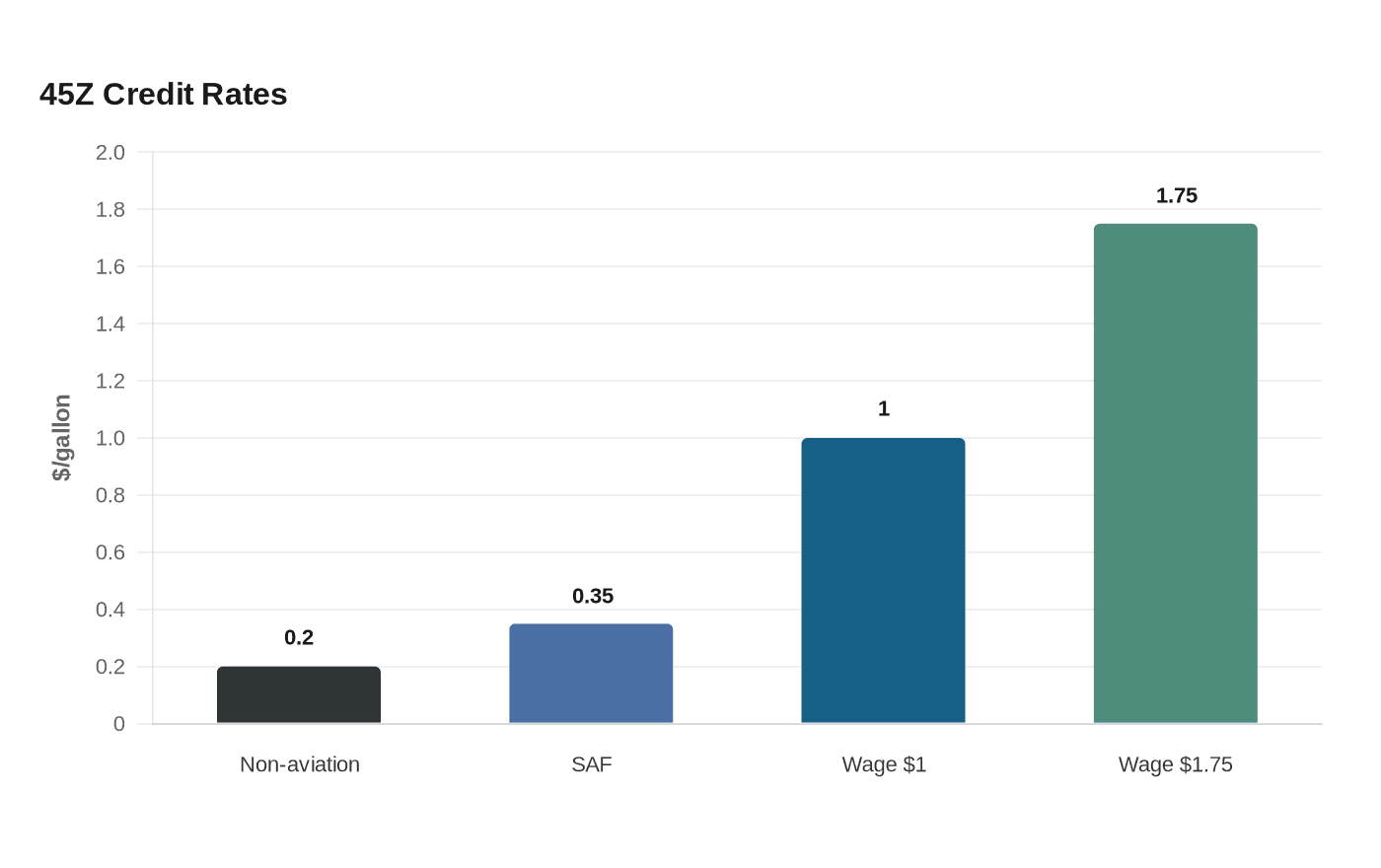
The credit structure matters directly to biodiesel economics. Under the initial guidance, the base value was 20 cents per gallon for non-aviation fuel and 35 cents for sustainable aviation fuel, with qualifying facilities able to reach $1 per gallon and $1.75 per gallon if they meet prevailing wage and apprenticeship requirements. Treasury and the IRS then released proposed 45Z regulations on Feb. 3, 2026, starting a 60-day public comment period. The proposal said fuel produced after Dec. 31, 2025 must be derived from feedstock produced or grown in the U.S., Mexico or Canada to qualify.
That kind of shifting rulebook is exactly where a chemicals-first company has an edge. If policy support becomes less attractive or feedstock sourcing becomes more constrained, FutureFuel can still rely on its chemicals portfolio rather than forcing biodiesel output for the sake of volume.
What the model says about survival in the next downcycle
FutureFuel’s setup suggests that the strongest plants in the next downcycle may not be the ones that chase pure fuel scale. They may be the ones with multiple product slates, contract manufacturing work and the ability to pivot between chemicals and fuels as margins change. In that model, biodiesel is an asset, but not the only asset.
Roeland Polet, who became chief executive effective Sept. 3, 2024, brought more than 35 years of specialty chemicals leadership experience to the job, and that background fits the company’s operating logic. FutureFuel’s 2025 annual report materials make the same point from another angle: the company is not a biodiesel producer with a chemicals sideline, it is a diversified manufacturer with fuels embedded inside the broader business.
That distinction is the point. At 2800 Gap Road in Batesville, Arkansas, FutureFuel has built an integrated base where chemicals and biofuels can offset each other. In a market defined by feedstock spreads, credit values and policy whiplash, that kind of flexibility may prove more durable than single-product ambition.
This article was produced by Prism’s automated news system from verified source data, official records, and press releases, then run through automated quality and moderation checks before publishing. The system is built and supervised by the people who set the standards it runs under. Read our full AI policy.
Know something we missed? Have a correction or additional information?
Submit a Tip