Goa drafts first policy to turn used cooking oil into biodiesel
Goa drafted its first UCO-to-biodiesel policy after generating about 9 lakh kg of waste oil in four and a half years. The plan hinges on collection, enforcement and local processing.
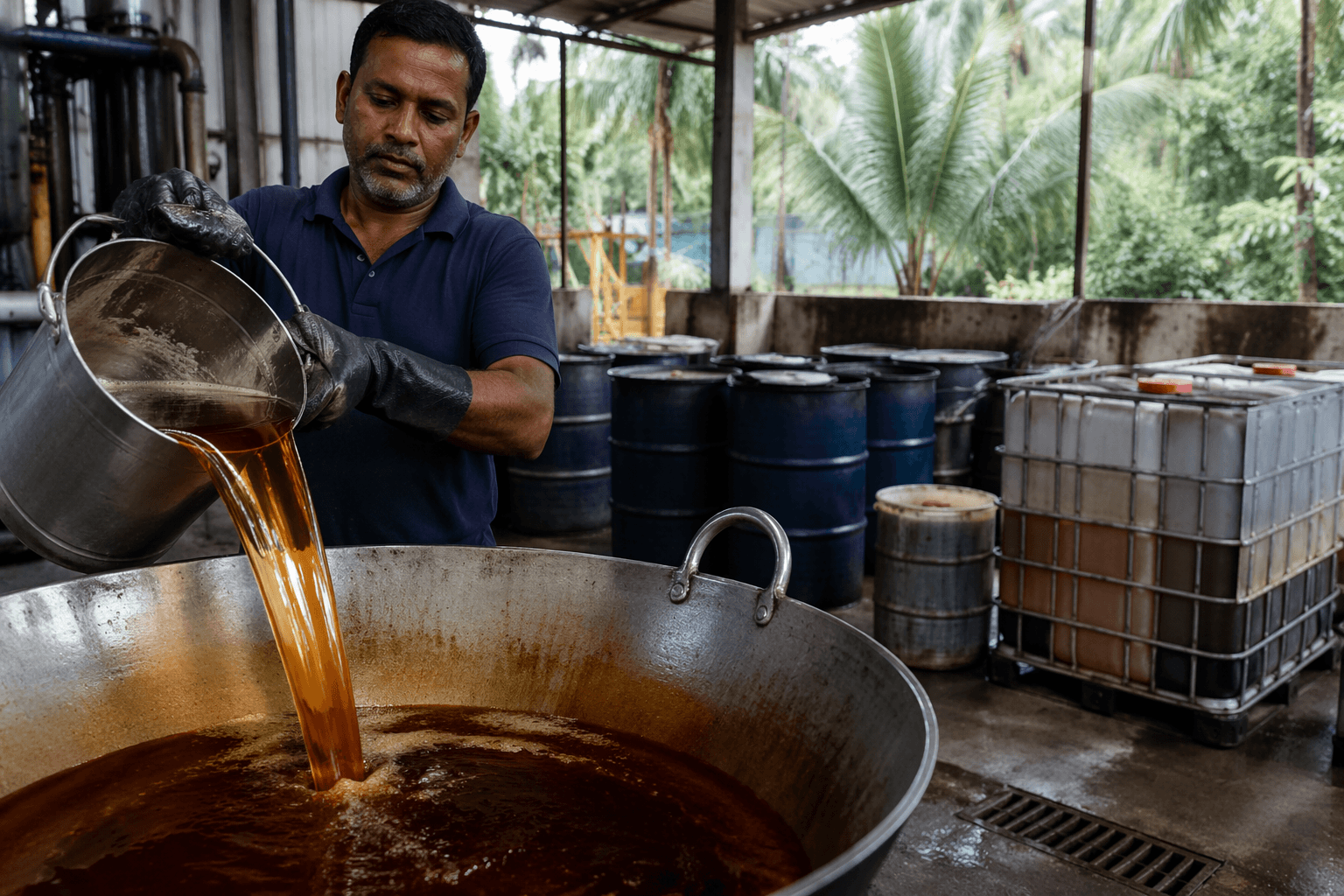
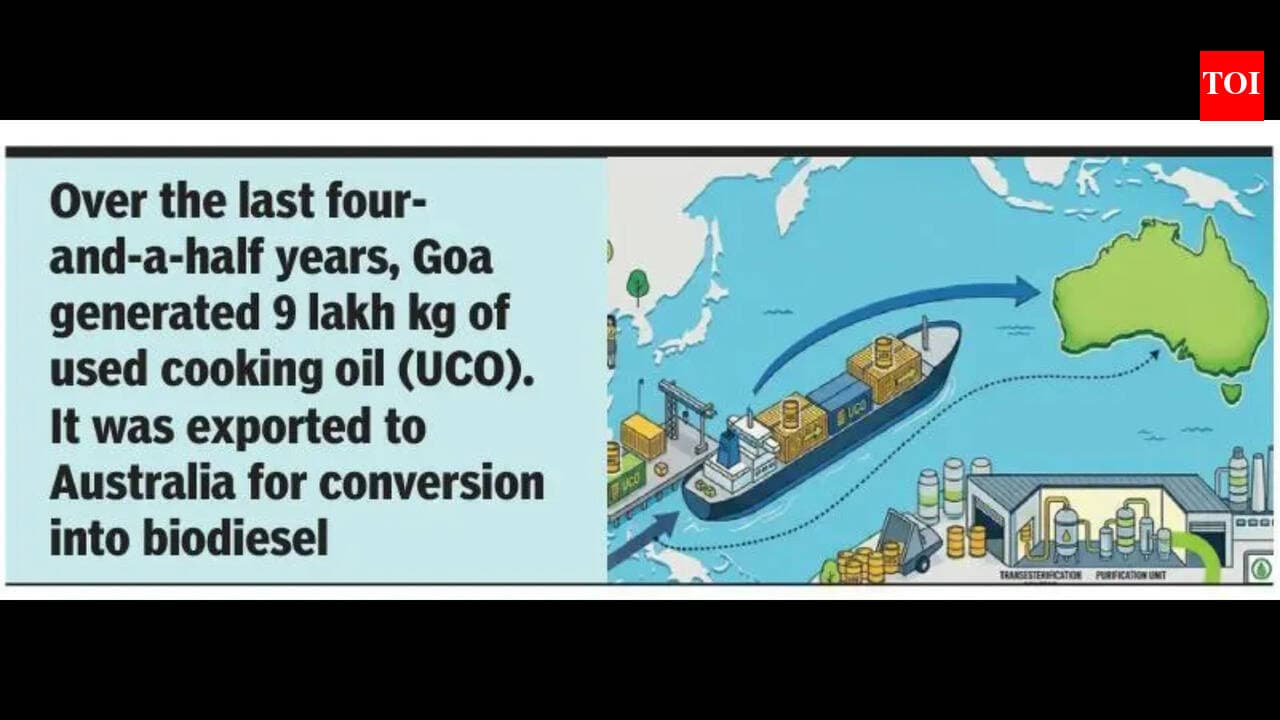
Goa on June 4 drafted its first-ever policy to convert used cooking oil into biodiesel, after the state generated around 9 lakh kilograms of UCO over the past four and a half years. Much of that oil was previously exported to Australia for biodiesel production, a sign that Goa has been leaving feedstock value, and the associated fuel output, outside its own economy.
The policy matters because UCO is not just a waste stream, it is an enforcement problem. If Goa is to turn restaurant and hotel oil into fuel, it will need a collection network that captures the material before it is discarded, diverted or reused outside the authorized chain. That means segregation at source, regular pickups, transport logistics and downstream buyers that can convert the oil into compliant biodiesel. Without those links, a policy on paper will not keep waste oil in the fuel system.
Goa is not starting from zero. A July 24, 2025 order from the Food Safety and Standards Authority of India extended provisional enrolment for 63 non-food production units that collect used cooking oil from food businesses under the RUCO framework. That national system gives Goa a ready-made compliance backdrop, and it shows that used oil collection is already part of India’s food-safety and biodiesel supply chain.
The state has also been widening its bioenergy agenda beyond one feedstock. Goa’s 2025 bioenergy policy framework included agricultural residues, used cooking oil from hotels and restaurants, non-food biomass from plantations and municipal solid waste, signaling that the state sees multiple waste streams as future energy inputs rather than disposal problems.
If Goa can build scale, the policy could keep more value inside the state, reduce dependence on imported fuel and give biodiesel producers a steadier waste-based feedstock pool. The harder test is operational: whether Goa can collect UCO consistently enough to stop leakage back into informal channels and turn a small but strategic waste stream into a reliable renewable diesel and biodiesel supply line.
This article was produced by Prism’s automated news system from verified source data, official records, and press releases, then run through automated quality and moderation checks before publishing. The system is built and supervised by the people who set the standards it runs under. Read our full AI policy.
Know something we missed? Have a correction or additional information?
Submit a Tip