IATA and ICAO join forces to track sustainable aviation fuel progress
IATA and ICAO moved to align SAF accounting just as IATA projected 2.4 million tonnes of output in 2026, equal to 0.8% of aviation fuel use.
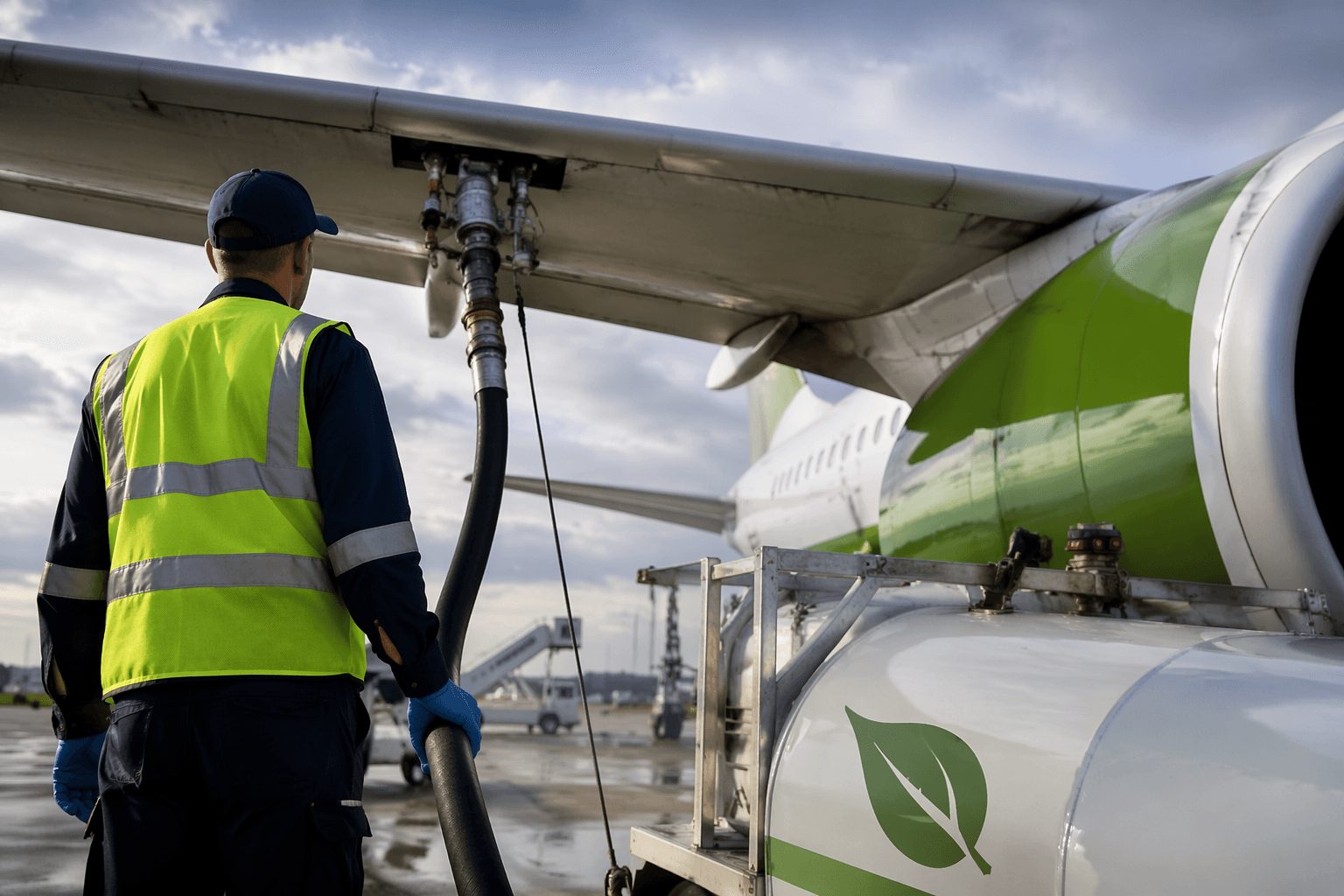
IATA and ICAO on June 2 agreed to deepen cooperation on sustainable aviation fuel tracking, targeting the transparency and integrity of SAF production, distribution and use as airlines and regulators push toward net-zero aviation by 2050. The accord, announced at ICAO Aviation Climate Week in Montréal, centered on a practical issue that has become increasingly important in the market: how to document where SAF is made, where it is blended and who can claim the emissions reduction.
The organizations said they will explore how SAF registries and the data they collect can support ICAO’s Long-Term Aspirational Goal Monitoring and Reporting methodology, along with fuel-accounting systems for international aviation. That puts registries at the center of the deal, with the aim of making climate claims more consistent across jurisdictions and reducing disputes over the same emissions cut being counted more than once. Willie Walsh, IATA’s director general, said credible tracking is necessary to know the emissions reductions delivered by SAF, while ICAO Secretary General Juan Carlos Salazar said the arrangement would strengthen global monitoring capabilities and make climate investments more visible under ICAO frameworks.
The timing underscored the gap between policy ambition and physical supply. IATA on June 6 estimated global SAF production will reach about 2.4 million tonnes in 2026, equal to just 0.8% of total aviation fuel use, at a cost to airlines of about $4.3 billion. ICAO’s SAF framework aims to cut international aviation carbon dioxide emissions by 5% by 2030, a target that will require much larger volumes and cleaner accounting if it is to translate into verifiable claims across national markets.
The new cooperation also sits alongside IATA’s 2025 study with Worley Consulting, which argued that feedstock availability is not the main constraint on net-zero aviation. That analysis said airlines will need 500 million tonnes of SAF by 2050, with biomass potentially supplying more than 300 million tonnes annually and power-to-liquid fuels filling the remaining gap. IATA, which says it represents more than 370 airlines accounting for about 85% of global air traffic, is now pushing the registry question as hard as the supply question, a sign that the next fight in SAF may be as much about credible accounting as it is about new plants.
This article was produced by Prism’s automated news system from verified source data, official records, and press releases, then run through automated quality and moderation checks before publishing. The system is built and supervised by the people who set the standards it runs under. Read our full AI policy.
Know something we missed? Have a correction or additional information?
Submit a Tip