IATA warns sustainable aviation fuel market remains under pressure
IATA said SAF output should reach 2.4 million tonnes in 2026, yet that would still cover only 0.8% of aviation fuel use and cost airlines $4.3 billion.
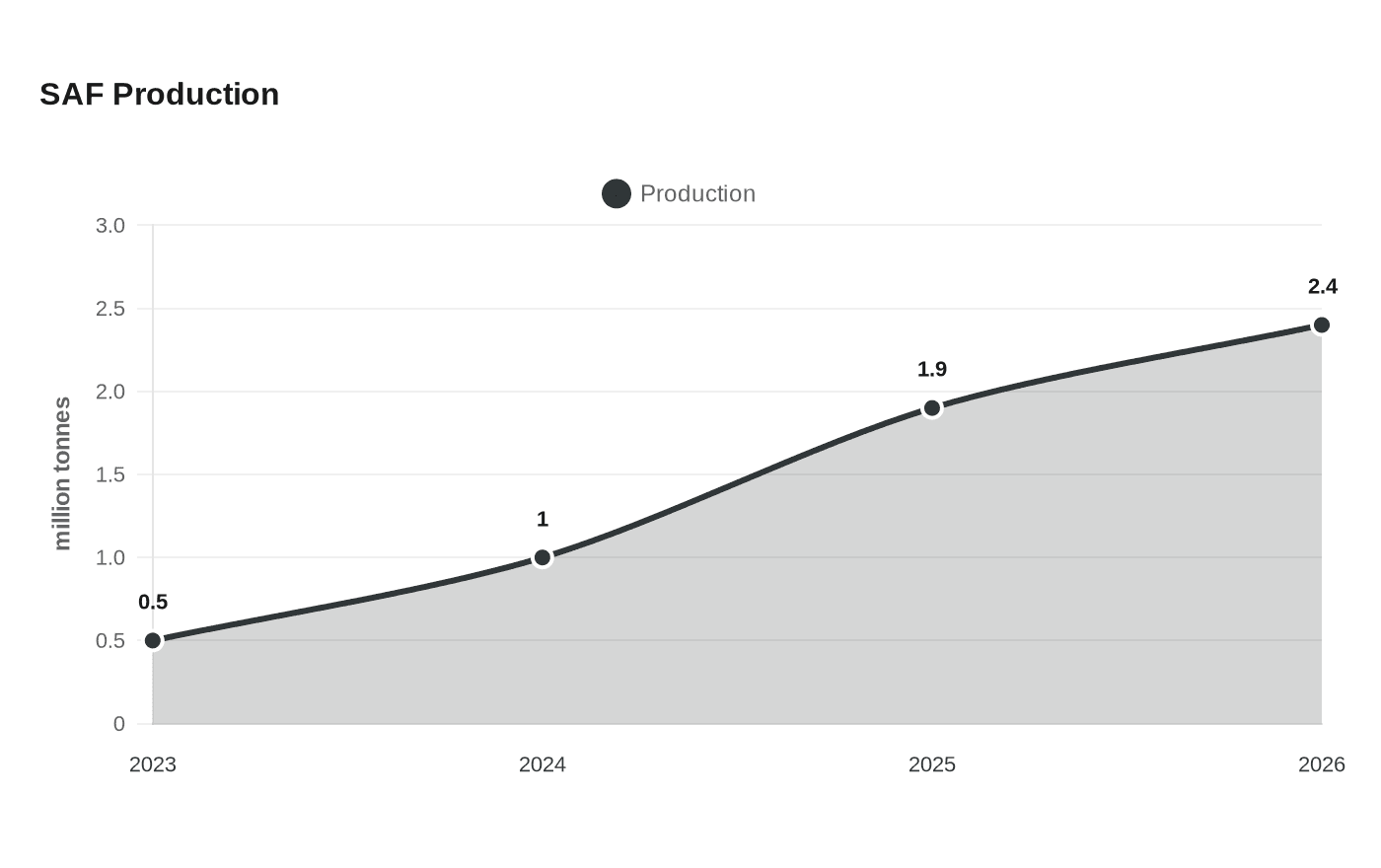
The gap between aviation’s decarbonisation targets and the sustainable aviation fuel market is still wide. IATA said global SAF production should reach around 2.4 million tonnes in 2026, equal to just 0.8% of aviation fuel use, even as airlines face a $4.3 billion bill for the fuel.
The airline trade body said the market is growing, but not fast enough to change the economics of jet-fuel supply. SAF production reached 1 million tonnes in 2024, doubling from 0.5 million tonnes in 2023, and IATA expects output to rise to about 1.9 million tonnes in 2025 before slowing again in 2026. Even at that pace, SAF remains below 1% of global aviation fuel use, leaving the industry far short of the scale needed to support airline net-zero commitments.
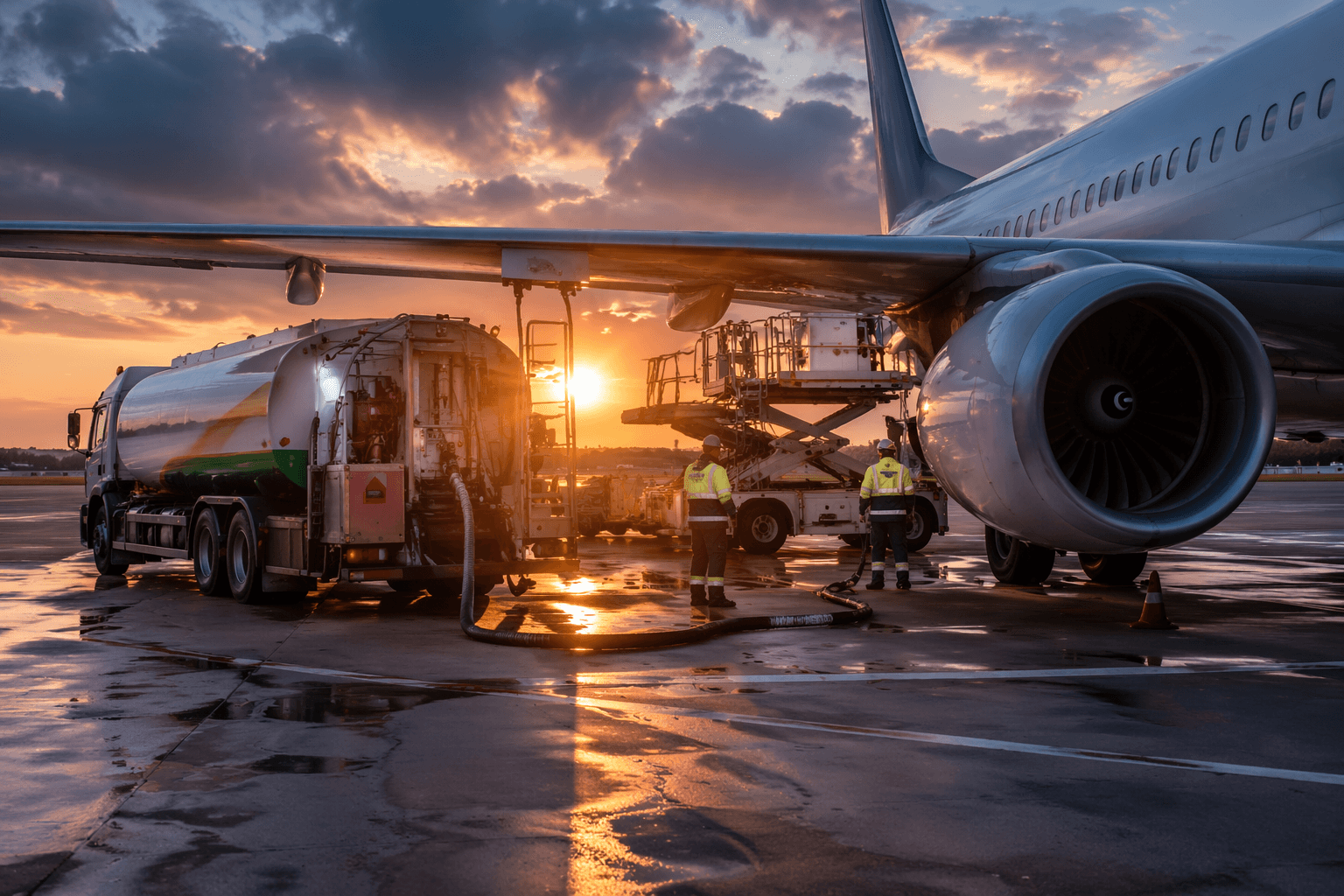
Price remains the central brake. IATA has said SAF is several times more expensive than conventional aviation fuel, and in one of its analyses it put the premium at roughly two and a half times the price of standard jet fuel. The association has tied that gap to more expensive feedstocks, still-developing production technologies, limited physical and market infrastructure, and the high upfront investment needed to build new plants and logistics.
IATA has also argued that a broader feedstock mix and more production capacity should bring prices down over time, but it has warned that policy design and financing remain just as important as demand. In June 2024, IATA projected SAF production would triple that year to 1.9 billion liters, or 1.5 million tonnes, equal to 0.53% of aviation fuel demand, at a cost of $3.75 billion to airlines. By June 2025, it said production was expected to reach 2 million tonnes in 2025, or 0.7% of airlines’ total fuel consumption.
Marie Owens Thomsen, IATA’s senior vice president for sustainability, has repeatedly framed the issue as one of scale and market structure rather than pilot projects. The numbers now point to the same conclusion: SAF is still the airline sector’s main decarbonisation lever, but current supply, pricing and policy support are not yet aligned to move it beyond a niche share of the fuel pool.
This article was produced by Prism’s automated news system from verified source data, official records, and press releases, then run through automated quality and moderation checks before publishing. The system is built and supervised by the people who set the standards it runs under. Read our full AI policy.
Know something we missed? Have a correction or additional information?
Submit a Tip