India to launch E85 fuel, cut crude import dependence
India lined up 50 to 100 E85 pumps first, but the fuel can only scale if flex-fuel vehicles, ethanol supply and retail coverage catch up fast.

India moved on June 5 to fast-track E85, a blend of 85% ethanol and 15% petrol, with the first 50 to 100 dispensing stations slated for Delhi-NCR and the Mumbai-Pune-Nagpur corridors. Union Petroleum and Natural Gas Minister Hardeep Singh Puri said the fuel will be priced substantially below regular petrol for compliant vehicles, a signal that New Delhi wants E85 to be a cost lever as well as an import-substitution tool.
The rollout, however, begins with a narrow vehicle base. E85 can be used only in flex-fuel models, and the early retail footprint points to a pilot phase rather than an immediate national shift. Hero MotoCorp has already launched flex-fuel versions of the Splendor+ and HF Deluxe motorcycles, while Maruti Suzuki has shown the Wagon R Flex Fuel, which would be India’s first flex-fuel car and is expected to be offered first to fleet operators and cab aggregators. The Ministry of Road Transport and Highways has also proposed changes to the Central Motor Vehicles Rules to formally permit higher ethanol blends, including E85 and E100, which is a necessary step if the fuel is to move beyond a few showcase outlets.
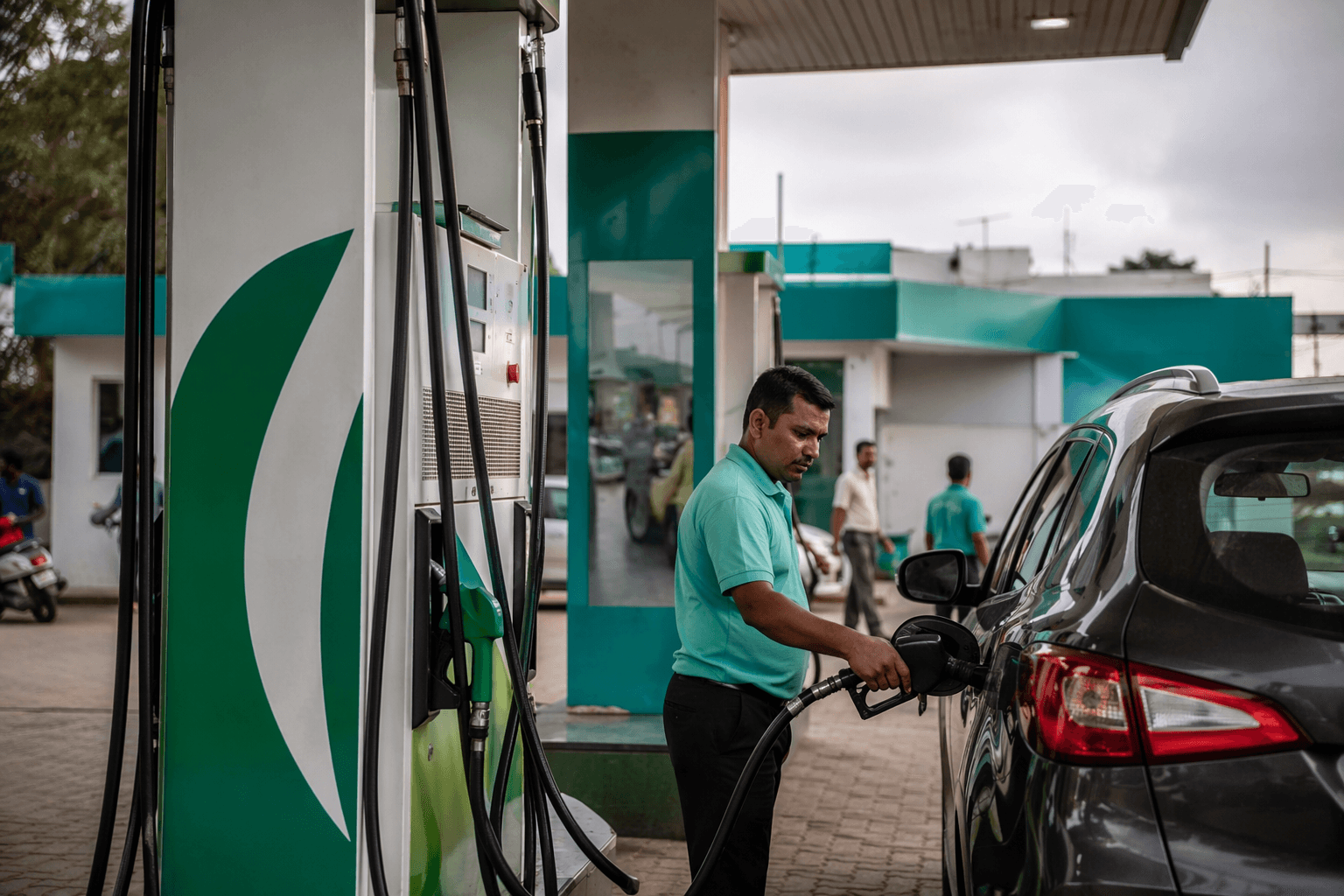
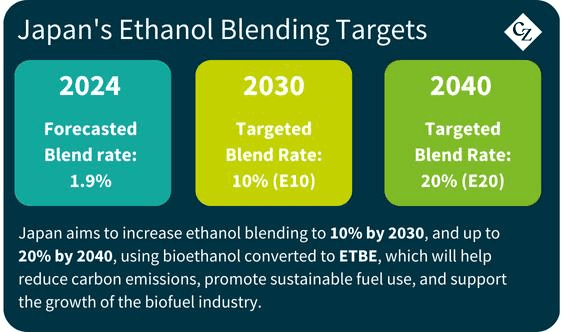
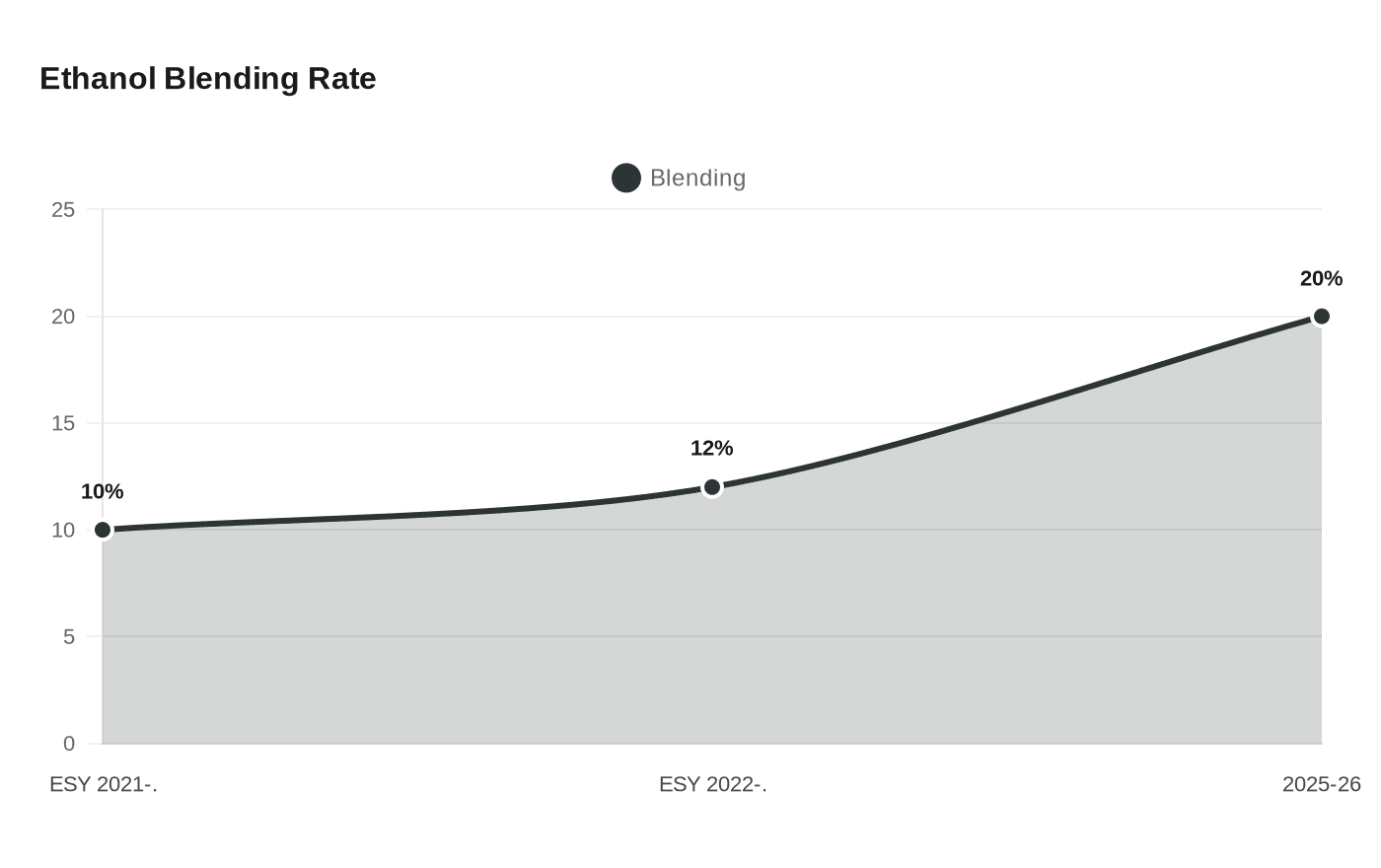
Officials are targeting about 500 E85 stations by December 2026 and roughly 5,000 by the end of 2027, a scale-up that will test both distribution logistics and consumer acceptance. The government has already moved the broader ethanol programme forward, advancing its 20% blending target from 2030 to the 2025-26 ethanol supply year. State-run oil marketing companies reached 10% blending in ESY 2021-22 and 12% in ESY 2022-23, giving policymakers a base from which to argue that E85 is the next step rather than a standing start.
The strategic case is tied to India’s import bill. NITI Aayog said the country’s net petroleum import was 185 million tonnes, costing US$551 billion in 2020-21, and estimated that a successful E20 programme could save about US$4 billion a year, or Rs 30,000 crore. Officials say the existing ethanol-blended petrol programme has already saved nearly 4.5 crore barrels of crude oil annually and cut foreign exchange outflow by around Rs 1.65 lakh crore. That backdrop explains the push into E85, but the market test is still practical: enough compatible vehicles, enough stations, enough ethanol and a price spread that keeps drivers willing to switch.
This article was produced by Prism’s automated news system from verified source data, official records, and press releases, then run through automated quality and moderation checks before publishing. The system is built and supervised by the people who set the standards it runs under. Read our full AI policy.
Know something we missed? Have a correction or additional information?
Submit a Tip