JAL begins Yamagata trial of rice bran biodiesel for airport vehicles
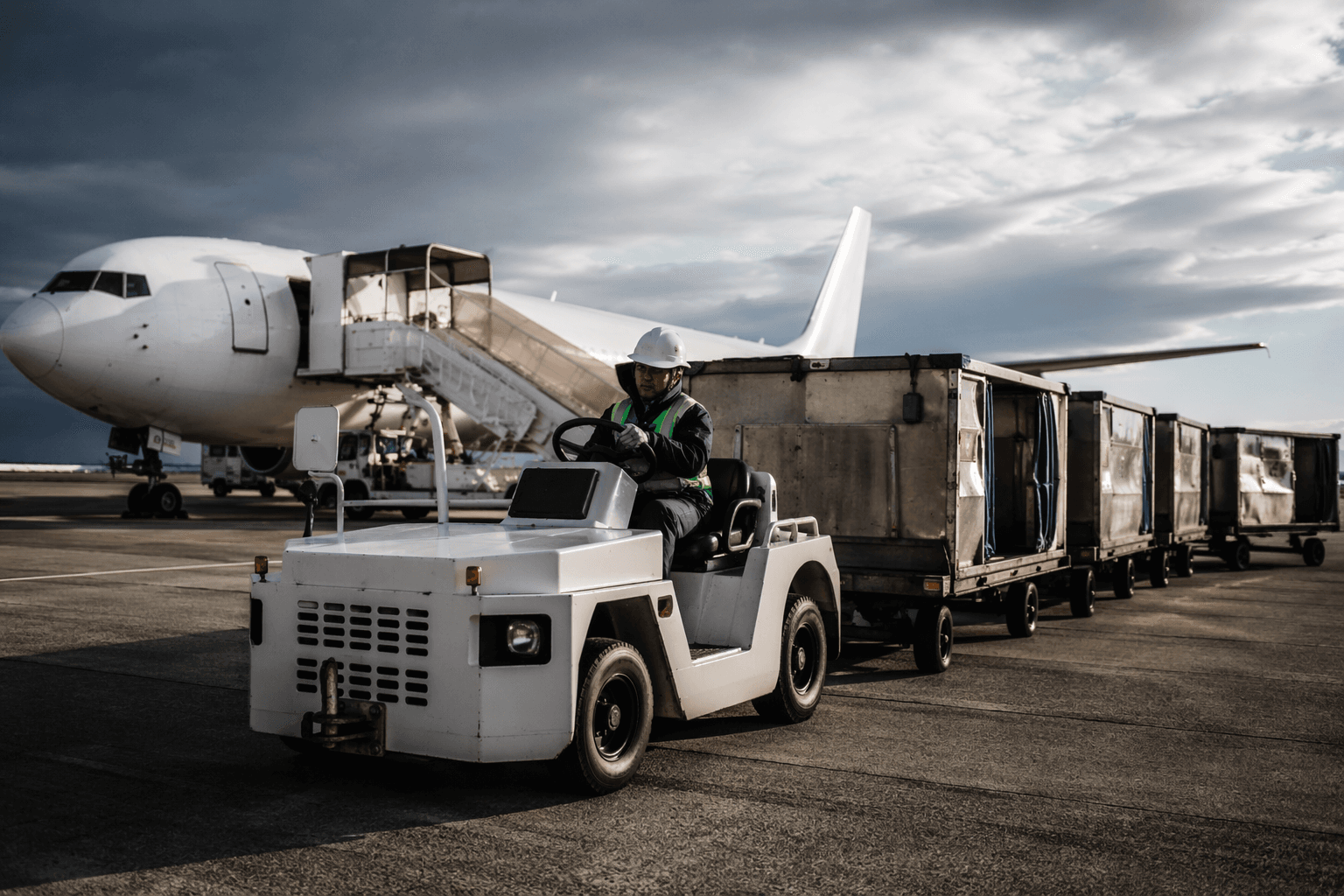
JAL has put rice bran byproduct biodiesel into a baggage tractor at Yamagata Airport, testing whether a local waste stream can become a repeatable airport fuel.

Japan Airlines on May 28 began a yearlong Yamagata Airport trial that put biodiesel made from rice bran fatty acid into one baggage towing tractor, a small but pointed test of whether a regional byproduct stream can support airport ground operations. The fuel comes from non-edible residue generated during rice bran oil manufacturing and is being used on one of JAL’s airport ground support equipment vehicles through around the end of May 2027.
The project brings together JAL, Showa Sangyo, Boso oil and fat, Phytochem Products and Tohoku University. Boso oil and fat, a Showa Sangyo Group company, is manufacturing the fuel with the Ion Exchange Resin Method developed at Tohoku University, and the partners say this is the first airport use of biodiesel made with that process. Yamagata Airport was chosen partly because its basin location produces large seasonal temperature swings, giving the consortium a chance to see how the fuel and vehicle hold up across changing weather, and partly because the airport is close to Tohoku University, which simplifies monitoring.
The partners will track vehicle performance under real operating conditions, watch for any effect on the baggage tractor and assess how reliably the fuel can be supplied. That makes the trial more than a one-off demonstration. For Japan’s rice-producing regions, it is also a circular-economy test case: a rice bran byproduct that would otherwise sit low in the value chain is being moved into airport fuel use, with the supply chain kept domestic and tied to local manufacturing.
JAL has already built a broader biodiesel footprint across its airport network. The airline said it uses biodiesel made from used cooking oil at 23 airports across Japan, while its sustainability materials say the airport-vehicle program started with a trial at Kumamoto Airport and has expanded to 19 airports using 100% biodiesel in airport vehicles. JAL has also committed to net-zero CO2 emissions by 2050 and says it aims to replace 10% of total fuel used on board with SAF by fiscal 2030.
The Yamagata trial also lands a day after JAL and All Nippon Airways issued a joint report calling for society-wide action to reach net zero CO2 emissions from air transport by 2050 and for faster SAF supply growth in Japan. Against that backdrop, the rice bran project reads as both a local sustainability exercise and a potential feedstock model for airports in other agricultural regions.
This article was produced by Prism’s automated news system from verified source data, official records, and press releases, then run through automated quality and moderation checks before publishing. The system is built and supervised by the people who set the standards it runs under. Read our full AI policy.
Know something we missed? Have a correction or additional information?
Submit a Tip