Maruti Suzuki expands biogas projects to cut factory emissions
Maruti Suzuki pledged INR 150 crore for a 10-tonnes-per-day biogas plant at Kharkhoda and a Manesar expansion, with Kharkhoda set to cover 20% of gas needs.
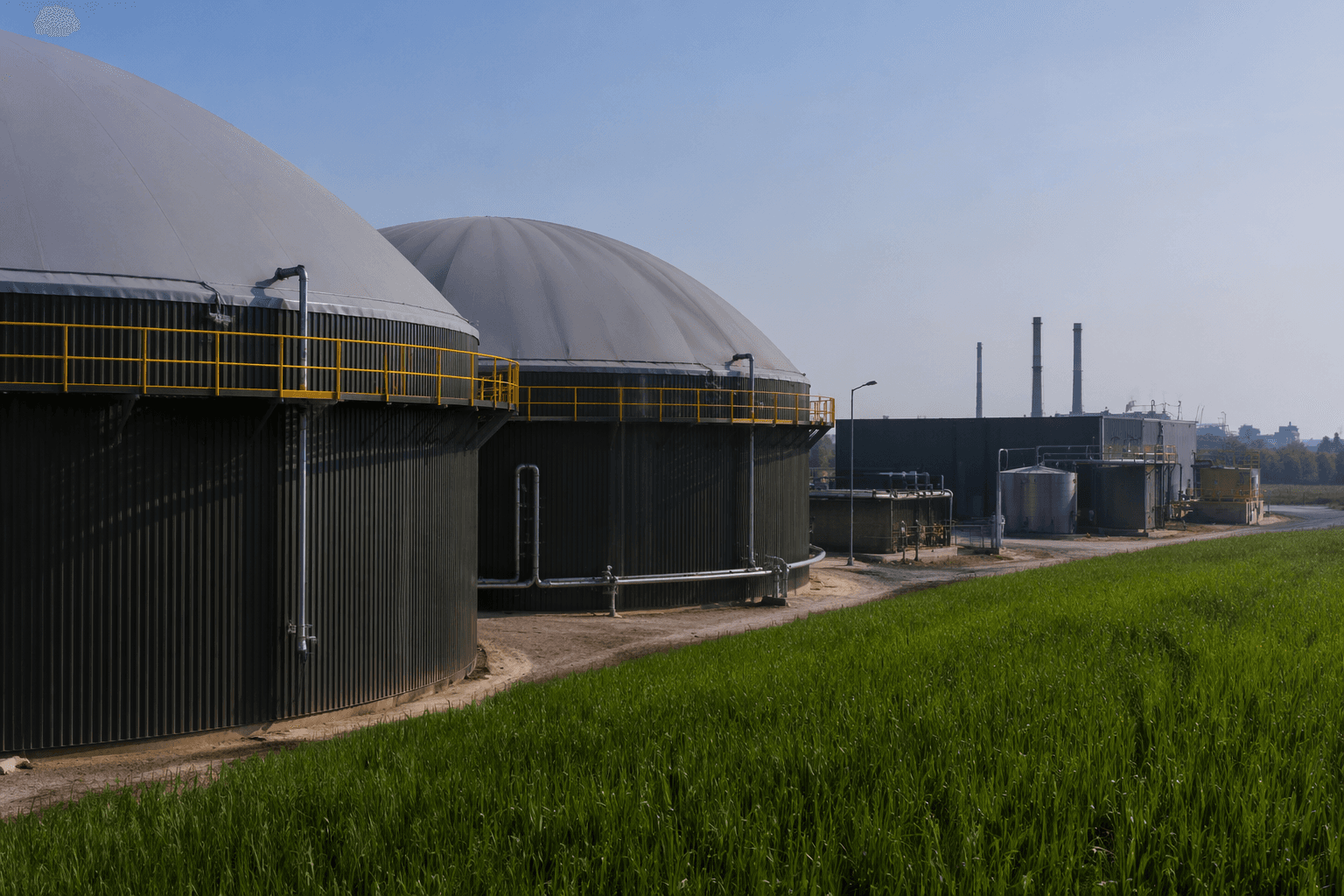
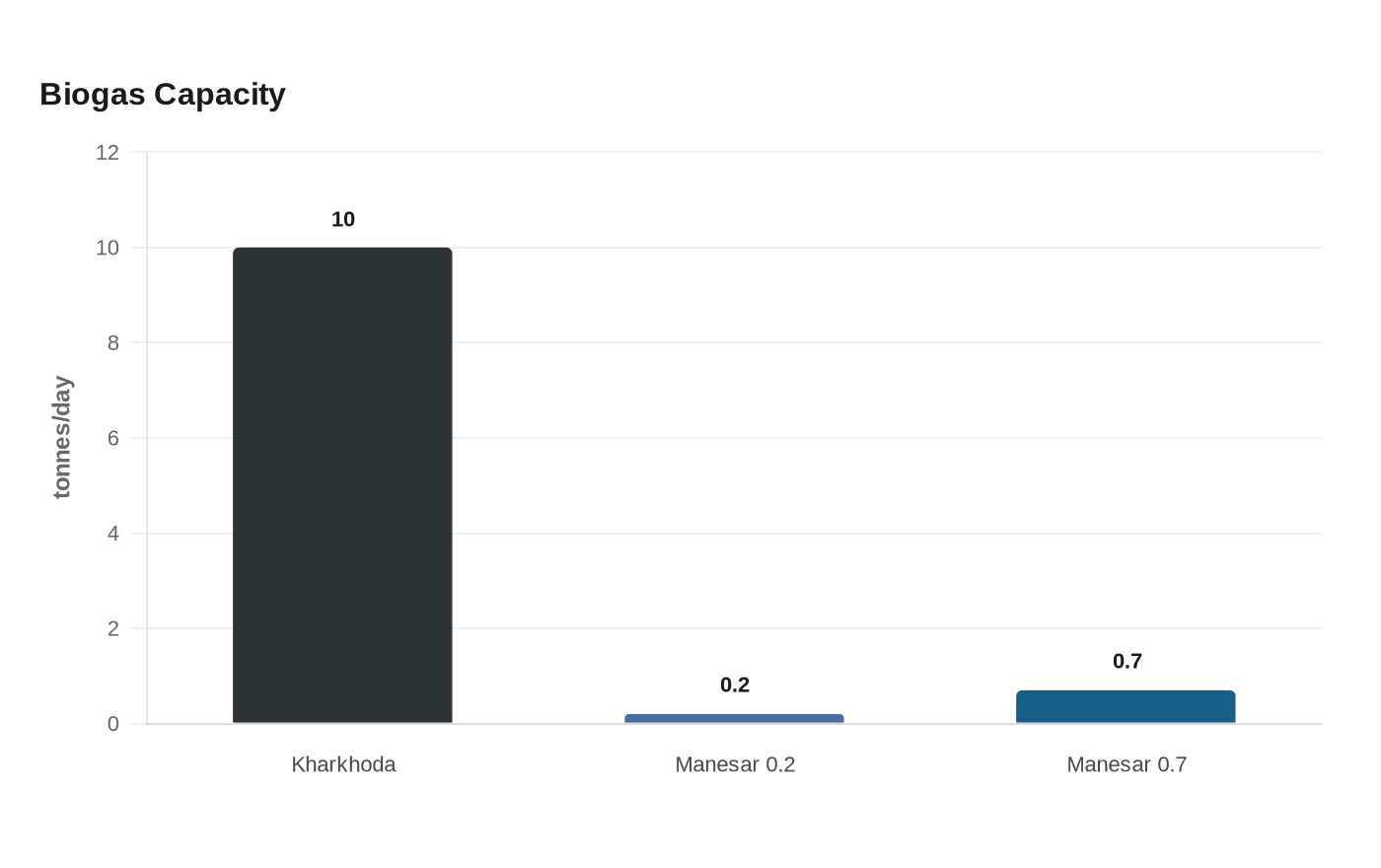
Maruti Suzuki on June 5 said it will spend INR 150 crore on two biogas projects that push clean fuel deeper into factory energy use, not just branding. The automaker will build a new 10-tonnes-per-day biogas plant at its Kharkhoda facility, commission it within FY 2026-27, and expand the Manesar plant from 0.2 tonnes per day to 0.7 tonnes per day.
The Kharkhoda project is the larger signal. Maruti Suzuki said the plant is expected to meet about 20% of the facility’s total gas requirement once fully operational, a meaningful share for a manufacturing site with steady process energy demand. The company also said the project could mitigate about 9,490 tonnes of carbon dioxide, giving the plant a direct emissions-cutting role inside the production system rather than at the margins of corporate sustainability reporting.
Maruti Suzuki tied both projects to the government’s Waste-to-Wealth mission, underscoring a practical industrial use case for biogas. Instead of treating organic residues as disposal material, the company is positioning them as feedstock for captive energy, with the resulting gas used in manufacturing operations. That model matters for India’s auto sector because it links waste handling, energy security and factory emissions in one project structure, creating demand for feedstock collection, digestion, upgrading and on-site gas use.
The Manesar expansion is smaller, but it shows how biogas capacity can be built incrementally when waste streams and site demand line up. Moving from 0.2 tonnes per day to 0.7 tonnes per day will not move the needle in the way Kharkhoda will, but it extends the same industrial logic across another major manufacturing site. For Maruti Suzuki, the two projects suggest biogas is being folded into a broader energy portfolio, rather than assigned to a standalone pilot or a peripheral environmental program.
For the wider market, the announcement reinforces a growing argument inside the biogas sector: compressed biogas is not only a municipal-waste or utility story. Large original equipment manufacturers with consistent gas demand can anchor projects at scale, and that captive demand can help steady the economics even when transport-fuel markets are volatile. If Kharkhoda performs as planned, it could become a template for other auto plants and heavy industrial sites looking to cut fuel emissions without overhauling core manufacturing lines.
This article was produced by Prism’s automated news system from verified source data, official records, and press releases, then run through automated quality and moderation checks before publishing. The system is built and supervised by the people who set the standards it runs under. Read our full AI policy.
Know something we missed? Have a correction or additional information?
Submit a Tip