Mazda, Nippon Express trial hydrotreated vegetable oil in vehicle transport
Mazda and Nippon Express have put HVO into finished-vehicle trailers on a 12-km route, testing whether drop-in renewable diesel can cut freight emissions without changing equipment.
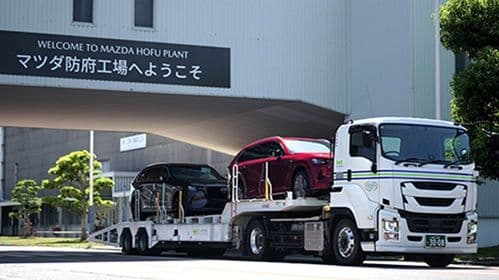
Mazda Motor Corp. and Nippon Express Co., Ltd. launched a demonstration trial in May using hydrotreated vegetable oil in finished-vehicle transport trailers, turning a short-haul route in Hofu, Yamaguchi Prefecture, into a test case for drop-in renewable diesel in logistics.
The trial runs between Mazda’s Hofu Nishinoura plant and the Nakanoseki finished-vehicle yard, a round trip of about 12 kilometres, and is scheduled to continue through the end of fiscal 2026. Mazda and Nippon Express said they will use the run to assess fuel efficiency, vehicle performance and operational issues, while also building evidence for wider use of alternative fuels in transport.
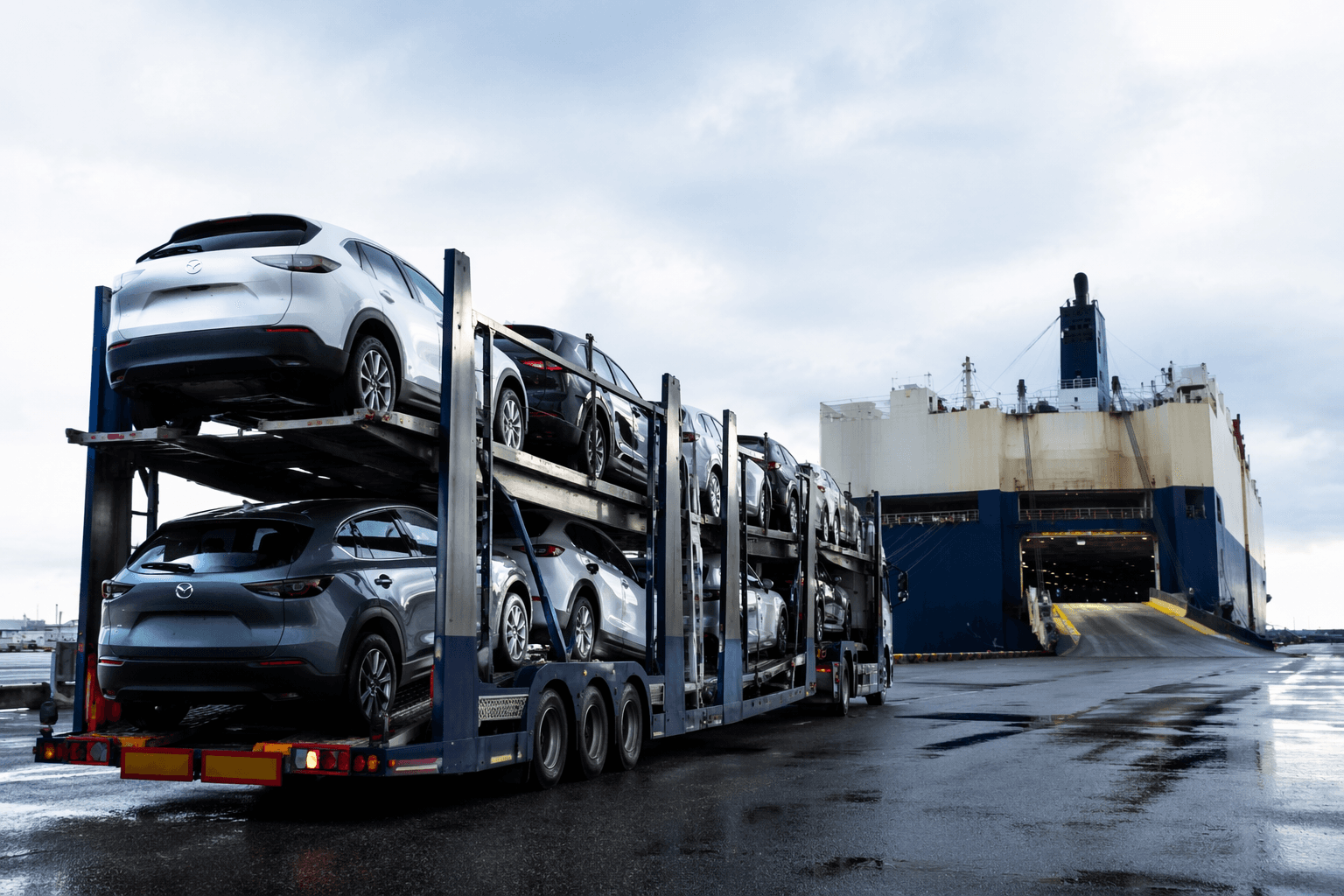
The setup is deliberately close to conventional diesel operations. Mazda said the two trailers in the trial are operated under conditions equivalent to ordinary diesel use and can be inspected in the same way, with cooperation from Isuzu Motors Ltd. NX Shoji Co., Ltd. is procuring the fuel for the project. Mazda’s Japanese release said the HVO used in the demonstration is blended at about 51%.
Mazda framed the work as part of its push for carbon neutrality across its entire supply chain by 2050. The company also updated its roadmap in September 2025, raising its fiscal 2030 emissions-cut target to 46% or more versus fiscal 2013. NX Group, which has its own goal of contributing to a carbon-neutral society by 2050, said the trial fits its broader logistics decarbonization strategy.
The company’s 2026 technical review describes HVO as a drop-in fuel that can be used without changes to parts or controls. Mazda said the fuel has already begun spreading in Europe as a carbon-neutral option and can be used at high concentrations, a point that underscores why the company sees HVO as more than a one-off pilot.
For Mazda, the trial also serves a supply-chain purpose. The company said it wants to expand demand and supply systems by working with fuel suppliers and regional businesses, suggesting commercialization will depend as much on fuel availability and logistics coordination as on vehicle compatibility. In practice, that makes the Hofu run a small but telling test of whether renewable diesel can move from isolated demonstrations into routine freight operations where uptime, maintenance and fuel access decide whether a fuel sticks.
This article was produced by Prism’s automated news system from verified source data, official records, and press releases, then run through automated quality and moderation checks before publishing. The system is built and supervised by the people who set the standards it runs under. Read our full AI policy.
Know something we missed? Have a correction or additional information?
Submit a Tip