Mitsubishi Heavy wins verification for biomass waste recovery system
Mitsubishi Heavy's AdBio system cleared JESC verification, with MHI targeting about a 40% jump in biogas from mixed municipal waste.

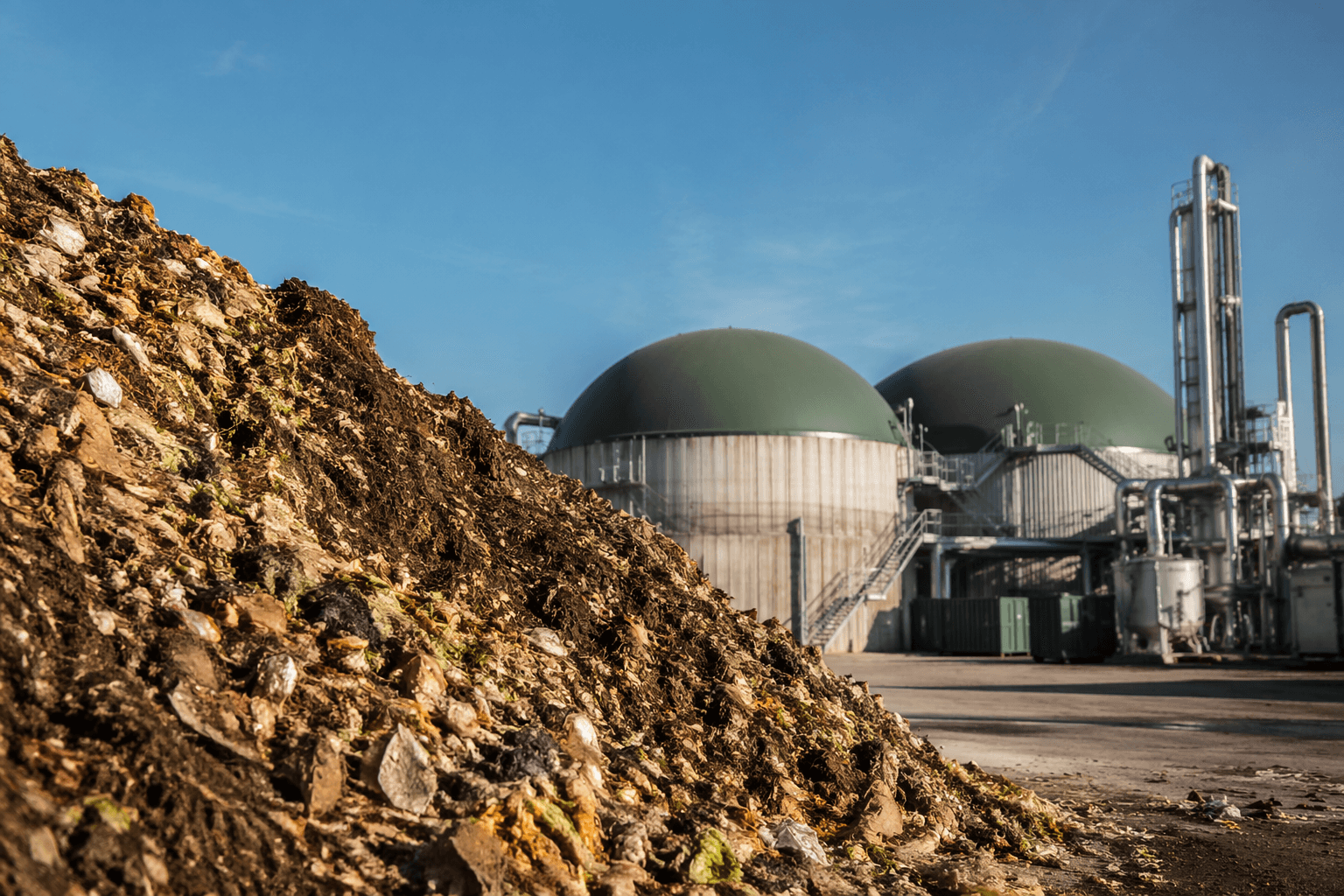
Mitsubishi Heavy Industries said its AdBio biomass high-efficiency recovery and recycling system won a technology verification report from the Japan Environmental Sanitation Center, a milestone for a process designed to pull usable biomass out of unsorted municipal waste. The company said the system is aimed at food waste and paper mixed into combustible waste streams, and that better sorting and recovery can lift biogas output by about 40%.
JESC said the certificate handover ceremony took place on May 29, 2026 at its East Japan branch, after the final review was completed on March 24, 2026. The center identified AdBio as its 10th waste-treatment technology verification case and said the system uses hydrolysis, or hydrothermal, pre-treatment to separate and recover food scraps and paper from highly contaminated waste. JESC also said the process improves biogas recovery, stabilizes methane fermentation operations and can reduce wastewater volume by recirculating dewatering and separation liquid.
The verification matters because it moves AdBio from technical promise toward practical use, especially for municipalities and private operators that struggle with contamination and unstable feedstocks. MHI said the system can be installed at both existing and newly built methane fermentation facilities, which broadens its appeal in a sector where retrofit-friendly equipment often determines whether a project moves ahead. Still, the certificate is a validation of the treatment method, not proof of broad commercial adoption. The announcement did not name municipal contracts, operating plants or throughput data from a live deployment.
MHI’s technical background on methane fermentation underscores why the front end matters: the process is designed for high-moisture biomass such as sludge and food residue, where better pre-treatment can make a digestor more reliable and more productive. JESC framed the technology as contributing to both a decarbonized society and a resource-circulating society, while MHI’s June news listing placed the AdBio release alongside other methane-related announcements, including its June 3 start of operations for the Nagaoka methanation demonstration using CONNEX for transfer and management of e-methane clean gas certificates.
This article was produced by Prism’s automated news system from verified source data, official records, and press releases, then run through automated quality and moderation checks before publishing. The system is built and supervised by the people who set the standards it runs under. Read our full AI policy.
Know something we missed? Have a correction or additional information?
Submit a Tip