MOL Group completes second SAF and renewable diesel test at Rijeka refinery
MOL Group completed its second SAF and renewable diesel test at Rijeka, co-processing 5% POME and producing the refinery’s first SAF in history.
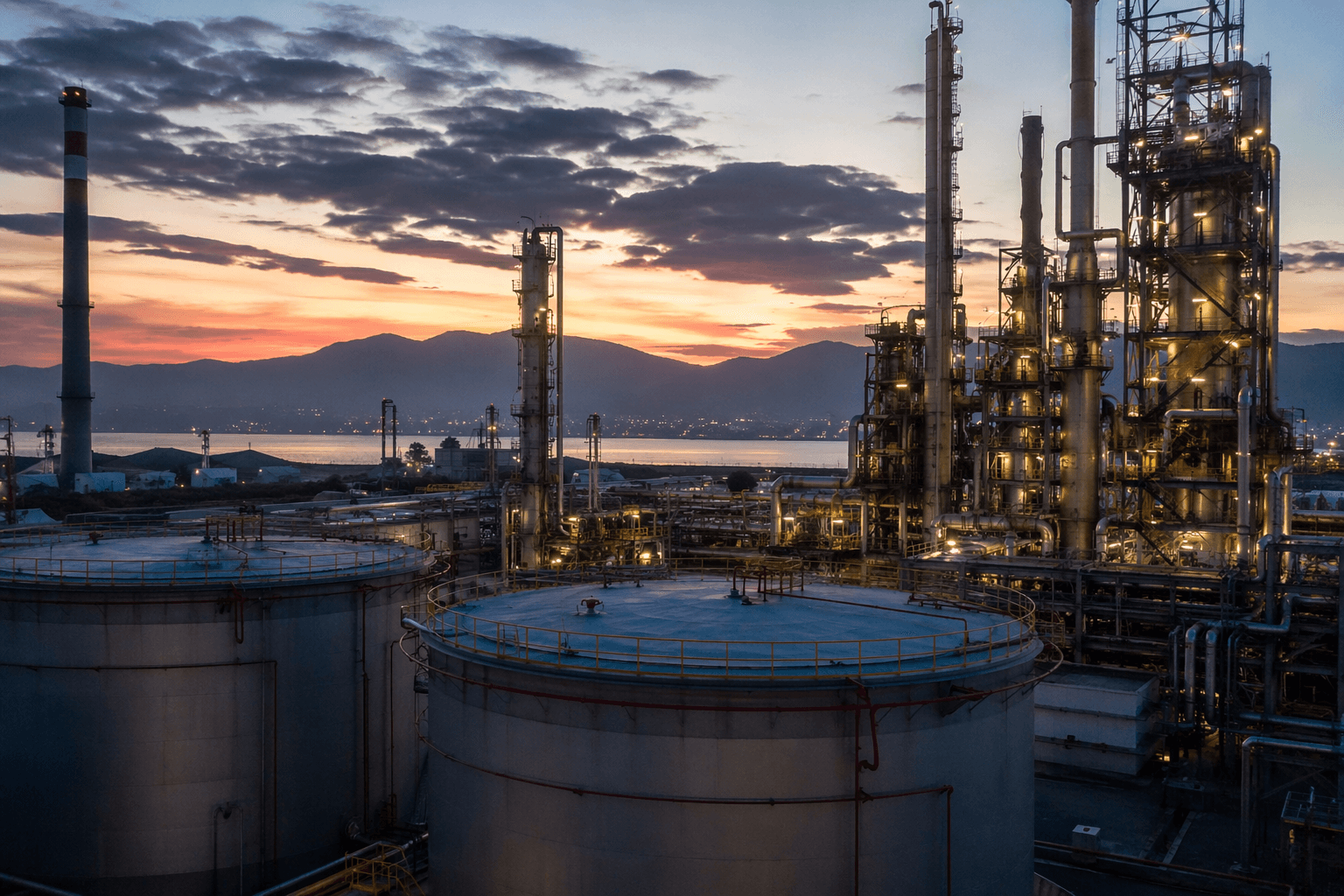
MOL Group on June 5 said it had completed its second successful sustainable aviation fuel and renewable diesel test, this time at INA’s Rijeka refinery, where the pilot co-processed 5% palm oil mill effluent with fossil feedstocks and produced both SAF and hydrotreated vegetable oil.
The Rijeka run used 1,000 tonnes of biogenic material and was independently certified by Bureau Veritas d.o.o. under ISCC sustainability standards. INA said the pilot ran from May 5 to May 13, 2025, and marked the first time the refinery produced SAF in its history. MOL said the work was carried out with Chevron Lummus Global, the licensor of the refinery’s hydrocracking unit, showing that the existing unit can be adapted for renewable feedstock co-processing rather than requiring a greenfield build.
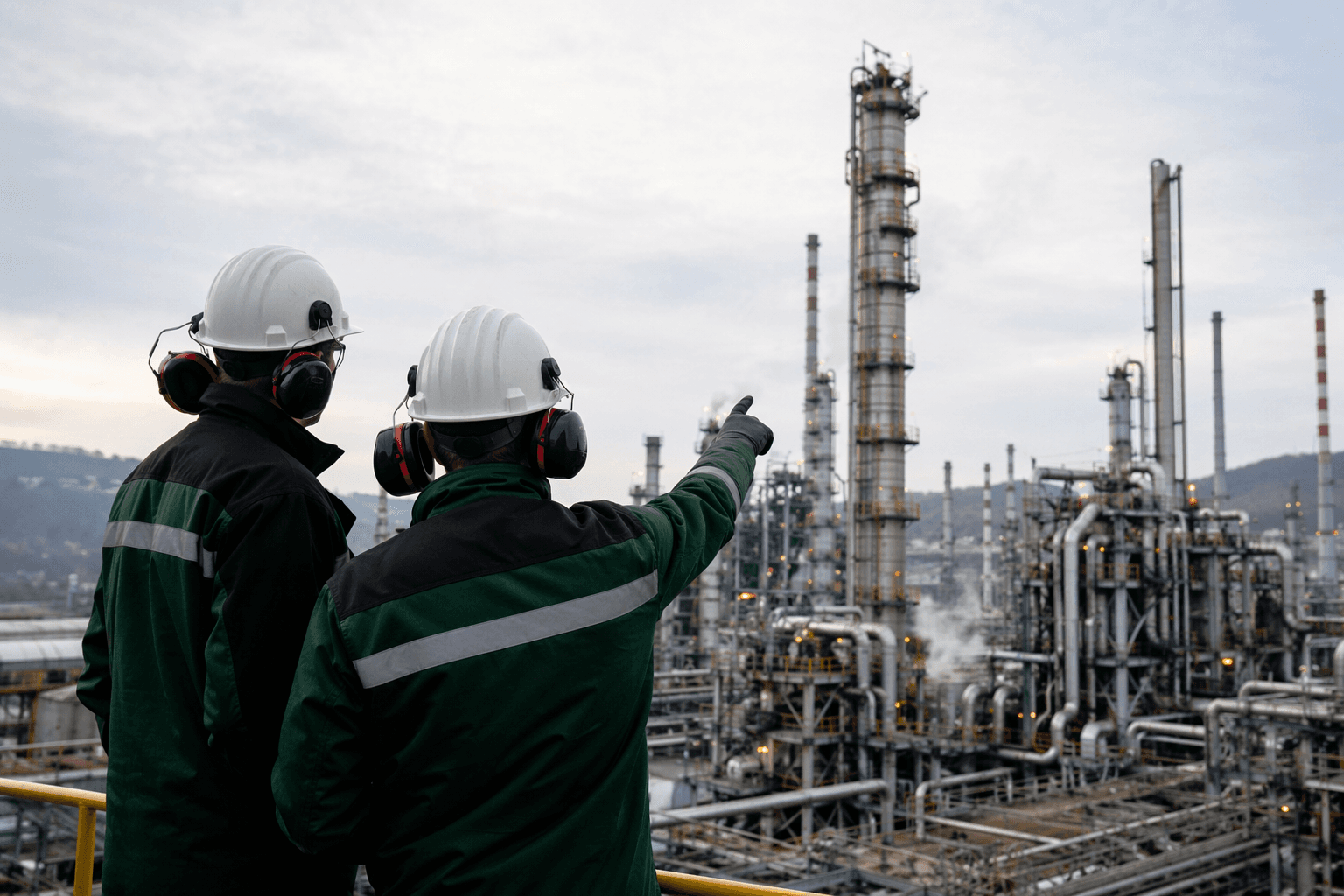
The result matters because it gives MOL and INA a second operational proof point after the group’s earlier SAF and HVO test at Slovnaft in Bratislava, where it used cashew nut shell oil and partially refined or used cooking oil. In that earlier trial, MOL said product quality was verified by radioisotope analysis from Isotoptech Zrt., underscoring that the company is testing more than one residue-based pathway as it looks for scalable feedstock options across its regional refining system.
The Rijeka milestone lands as INA finishes a major refinery upgrade. INA said in March 2026 that the modernization project was complete after nearly EUR 700 million of investment, lifting installed processing capacity to as much as 4 million tons of crude oil a year. INA also said the new Delayed Coking Unit was expected to raise the diesel share in total production by about 30 percent, a signal that the site is being positioned for higher middle-distillate output alongside lower-carbon fuel trials.
MOL has framed the work under its SHAPE TOMORROW strategy, which is centered on integrating renewable feedstocks into existing assets to cut lifecycle emissions while preserving energy security in Europe. The push also aligns with the regulatory direction in the region, where the European Commission’s ReFuelEU Aviation rules define SAF as drop-in aviation fuel meeting renewable-energy sustainability criteria, and ICAO’s CORSIA framework requires approved sustainability certification for SAF claims. For MOL, the key commercial question is no longer whether the refinery can make certified SAF and renewable diesel in small test runs, but how quickly those results can be converted into repeatable output at scale.
This article was produced by Prism’s automated news system from verified source data, official records, and press releases, then run through automated quality and moderation checks before publishing. The system is built and supervised by the people who set the standards it runs under. Read our full AI policy.
Know something we missed? Have a correction or additional information?
Submit a Tip