Mumbai's MGL, BMC sign pact for 350 TPD biogas plant
MGL and BMC signed a concession for a 350 TPD biogas plant at Mankhurd, tying Mumbai’s wet waste to a city-scale fuel chain.
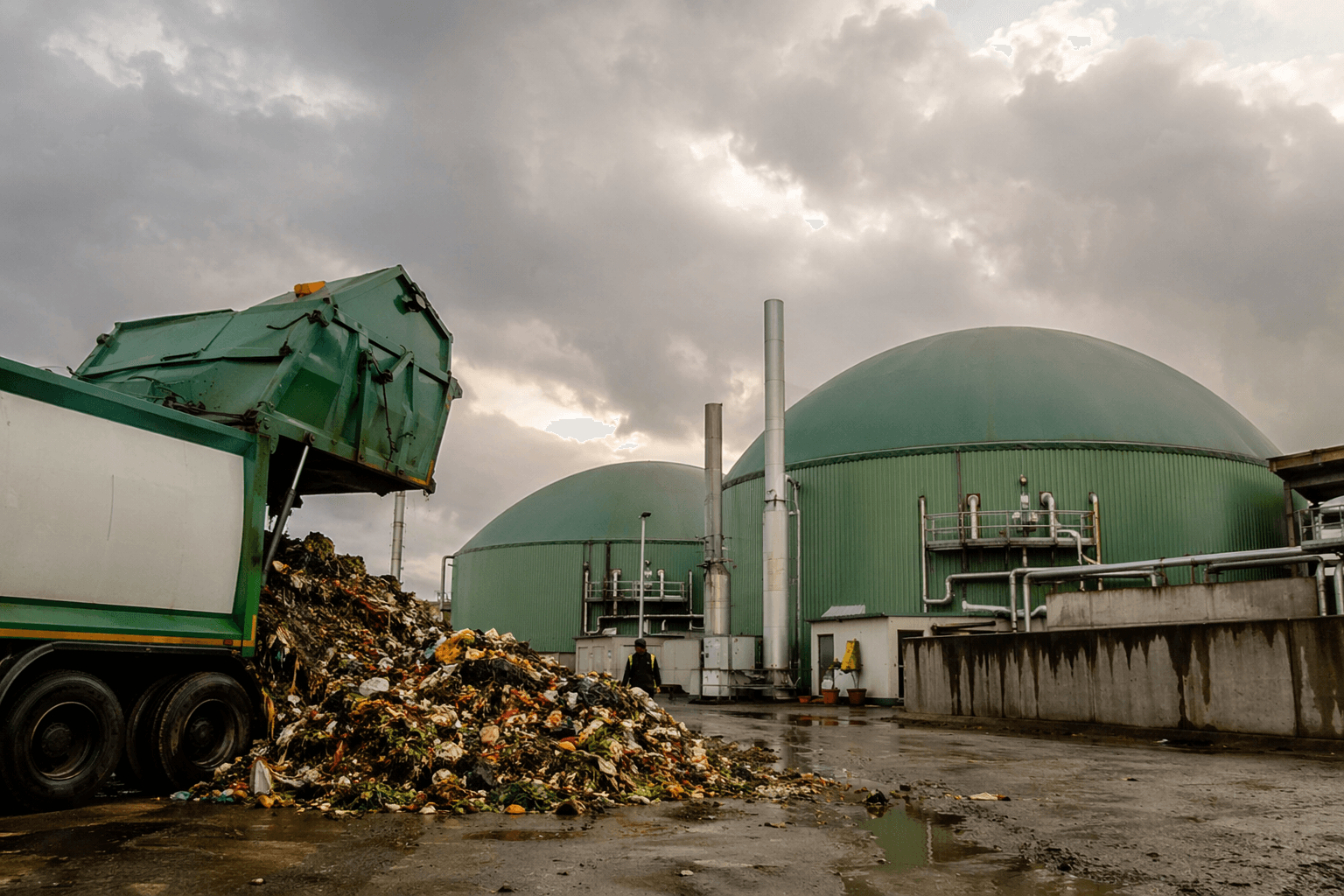
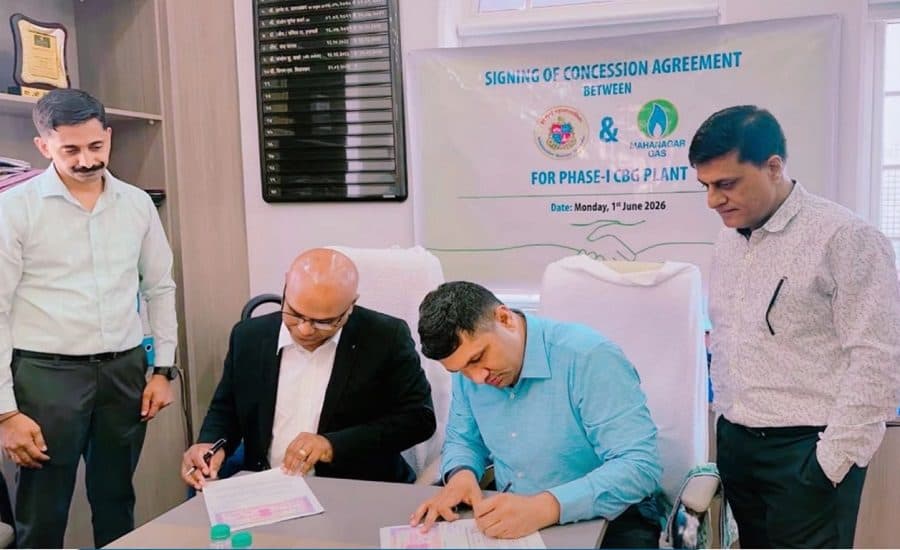
Mahanagar Gas Limited and the Brihanmumbai Municipal Corporation on June 1 signed a concession agreement for Phase-I of a 350-tonnes-per-day compressed biogas plant at Mankhurd, putting Mumbai’s wet waste into a formal fuel-production pipeline. The project will process organic municipal waste into compressed biogas, with feedstock expected to come from hotels, vegetable markets and other institutional kitchen-waste generators across the city.
The agreement matters because it moves the Mankhurd plan from concept to implementation. A concession structure gives the project an operating framework rather than the loose contours of a pilot, which is critical in a waste-to-fuel business that depends on consistent segregation, collection and plant utilization. For Mumbai, the promise is straightforward: less wet waste headed to dump sites, lower methane emissions from decomposing organics and a locally produced gaseous fuel stream. For MGL, it opens a municipal feedstock channel into compressed biogas instead of the crop and livestock residue base that has defined much of India’s broader bioenergy buildout.
The Mankhurd project also sits inside a larger Mumbai strategy. Earlier plans described a 1,000-tonnes-per-day compressed biogas program for the city, alongside a separate two-phase buildout tied to 18 acres in Deonar that was said to carry more than Rs 600 crore in investment. The new 350 TPD agreement is the first concrete operating step in that wider municipal push, and its performance will shape whether the bigger program can be delivered at scale.
Execution risk is where the story gets real. Urban CBG plants live or die on feedstock quality and haulage discipline, and Mumbai’s waste stream is large, wet and logistically messy. The city’s existing processing network shows both the opportunity and the pressure points. At Kanjur, BMC was reported in March 2026 to be processing 189 metric tonnes of garbage into 16.29 million units of power and 91,434 of compost, while the Kanjurmarg municipal solid waste processing facility monitoring committee asked BMC in April to prepare a green-belt plan and step up environmental monitoring.
That backdrop makes land access and neighborhood logistics as important as gas output. Mumbai Central already has a smaller precedent, with Western Railway running a 500-kilogram organic-waste biogas plant, but Mankhurd is a different order of magnitude. If MGL and BMC can keep segregated wet waste moving steadily into the plant and secure stable offtake for the gas, the project could become a template for other Indian cities trying to turn disposal costs into transport-fuel supply chains.
This article was produced by Prism’s automated news system from verified source data, official records, and press releases, then run through automated quality and moderation checks before publishing. The system is built and supervised by the people who set the standards it runs under. Read our full AI policy.
Know something we missed? Have a correction or additional information?
Submit a Tip