NorSAF picks KBR PureSAF for hybrid SAF plant in Latvia
NorSAF locked in KBR’s PureSAF for a 100,000-ton Baltic SAF plant, but the Liepaja project still has to clear permitting, financing and construction.
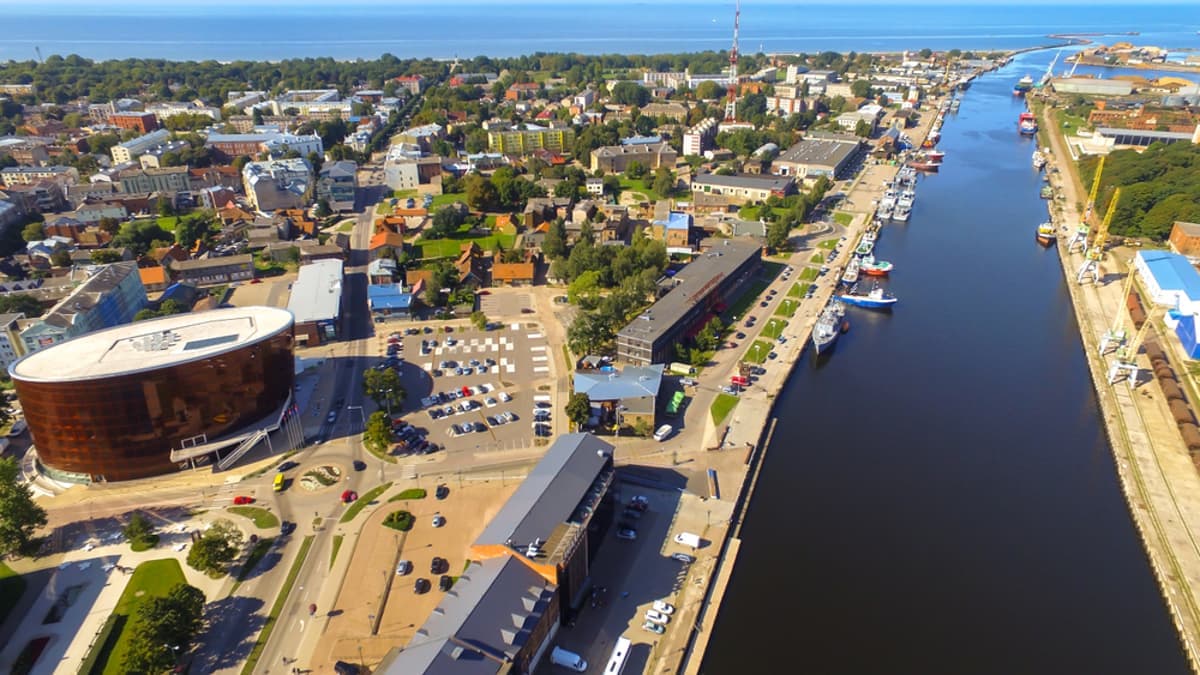
NorSAF on May 28 selected KBR’s PureSAF technology for a proposed 100,000-metric-ton-per-year SAF and e-SAF biorefinery at the Port of Liepaja in Latvia, a project NorSAF says will exceed EUR 1 billion and is now targeted to start up in 2031. The choice gives the developer a single commercial platform for both conventional SAF from advanced ethanol and e-SAF from green hydrogen and biogenic CO2, but it does not remove the hard parts: environmental approval, financing, final development work and construction still have to be completed before any jet fuel is made.
KBR said NorSAF has exclusivity to use PureSAF for the project, a meaningful de-risking step for a plant that is supposed to be Northern Europe’s largest SAF and e-SAF facility. KBR said PureSAF was invented and developed by Swedish Biofuels AB and can process ethanol, syngas, carbon dioxide and hydrogen into SAF, diesel and gasoline. For NorSAF, that feedstock and product flexibility matters. It reduces dependence on a single input stream and gives the project more than one route to commercialization if policy incentives, feedstock spreads or hydrogen economics shift.
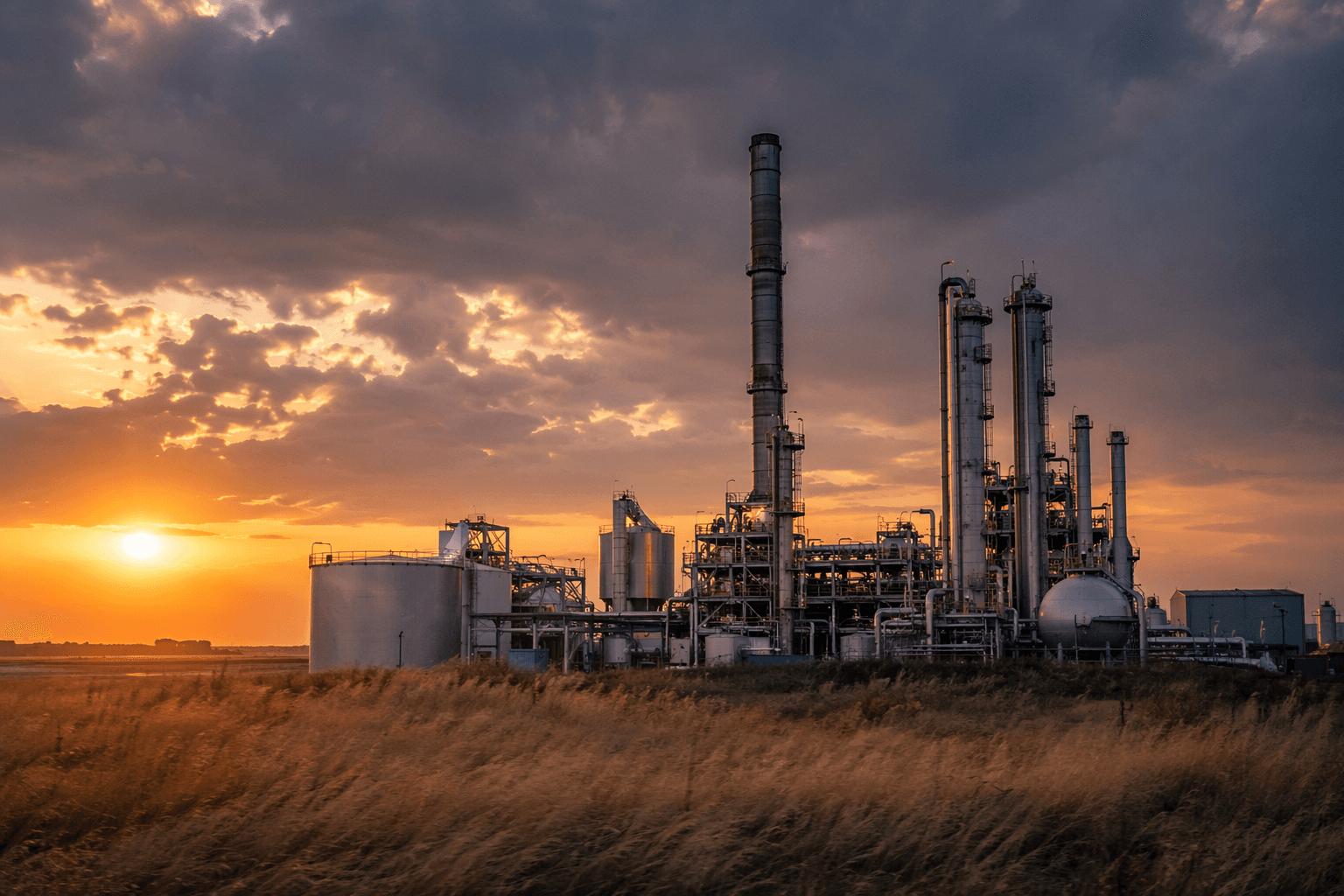
The project’s Baltic location is part of the pitch. NorSAF says biogenic CO2 for the e-SAF pathway will be sourced locally within 100 km of the plant, while the finished fuel is expected to move across the Baltics, Northern Europe and other European markets. The Liepaja Special Economic Zone has green-corridor status and is recognized as a strategically significant investment project of national importance, giving the site a policy and logistics base that many announced SAF projects still lack.
Execution risk remains the central issue. A public consultation on the environmental-impact-assessment process on March 4 drew 162 people in person and 51 online, underscoring that the project is moving through local scrutiny as well as planning. NorSAF also signed a memorandum of understanding with CIS Liepaja on March 12 to cooperate on green hydrogen and SAF development in the zone, another sign that the project is being assembled as an industrial cluster rather than a stand-alone plant.
The timeline itself shows how much work still lies ahead. The project was first outlined in August 2025, earlier expectations pointed to 2030, and NorSAF now says 2031 is the launch target. Backing from Avia Solutions Group and the broader ReFuelEU Aviation push, part of the European Union’s Fit for 55 package, give the project policy tailwinds. What PureSAF changes is the technology risk. What it does not change is the need to turn a headline capacity into a financed, permitted and built refinery in Liepaja.
This article was produced by Prism’s automated news system from verified source data, official records, and press releases, then run through automated quality and moderation checks before publishing. The system is built and supervised by the people who set the standards it runs under. Read our full AI policy.
Know something we missed? Have a correction or additional information?
Submit a Tip