ORLEN launches 300,000-tonne HVO plant in Płock, boosts biofuel output
ORLEN put a 300,000-tonne HVO unit in Płock into service, pitching rapeseed oil and used cooking oil as a way to cut import reliance and lift biofuel output to 700,000 tonnes.
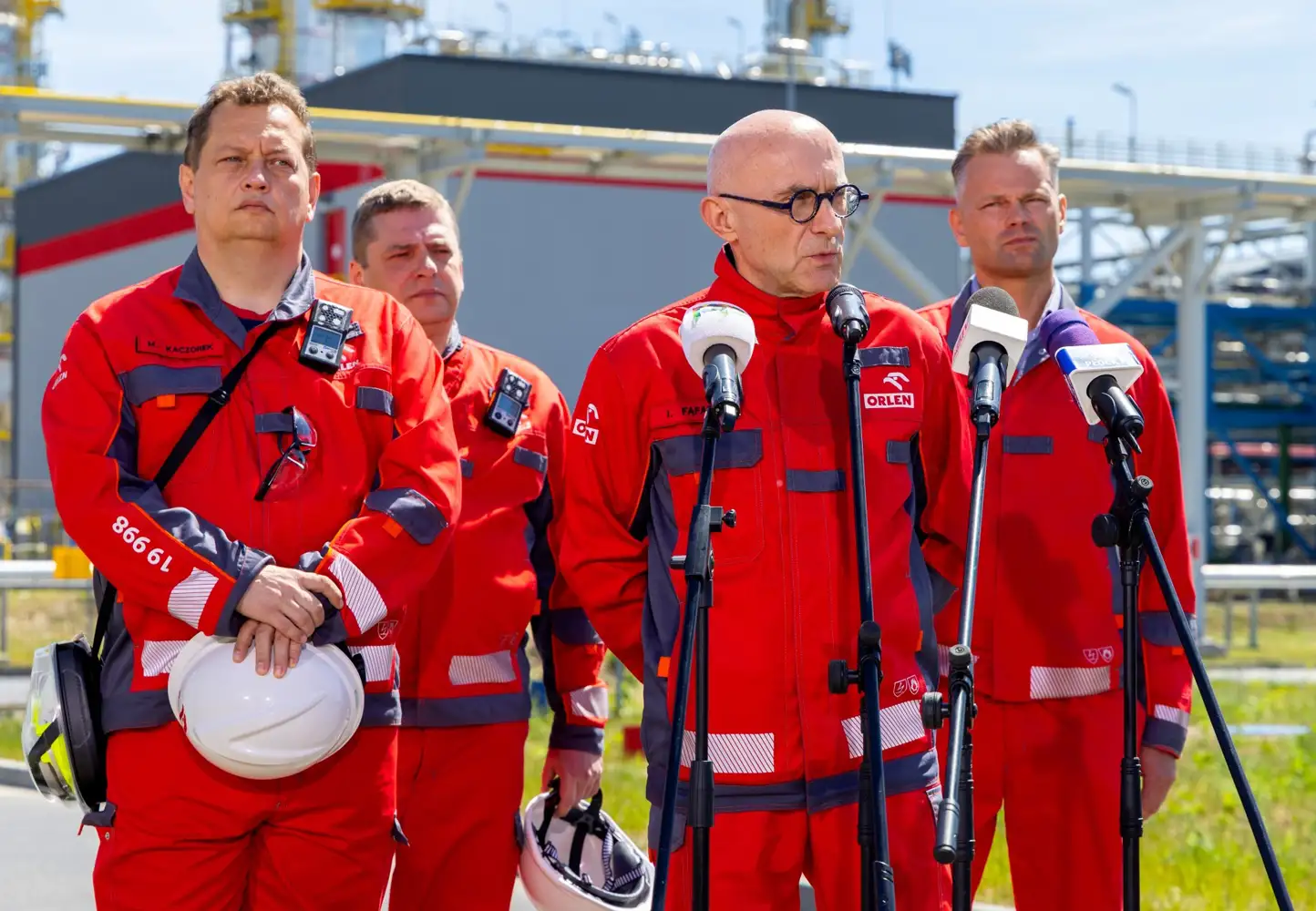
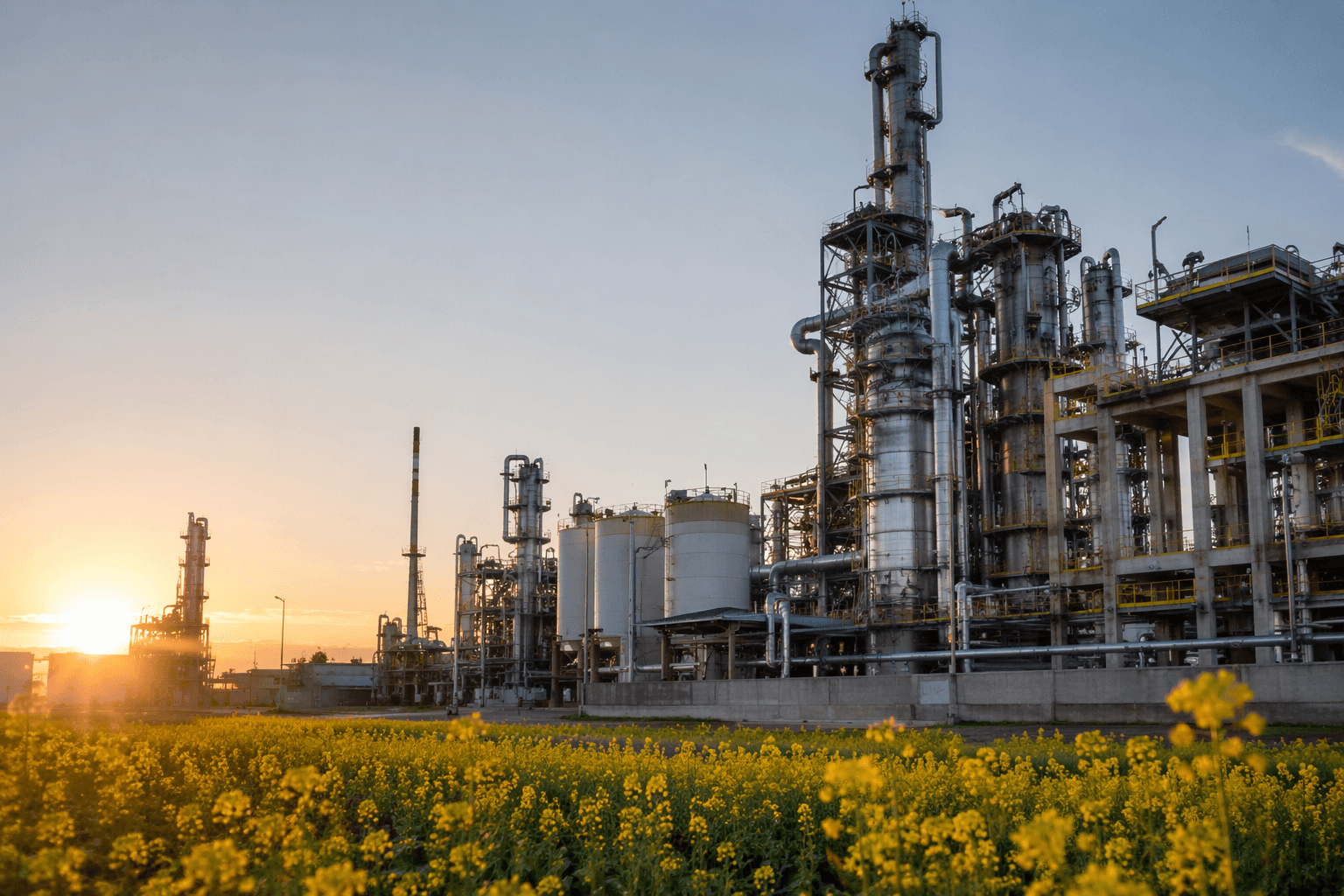
ORLEN on May 27 put a 300,000-tonne-a-year HVO plant in Płock into operation, but the sharper story for Europe’s renewable diesel market is the feedstock base behind it. The Polish refiner is presenting the unit as a domestic supply-chain asset, built around rapeseed oil, used cooking oil and blended inputs, so it can reduce dependence on imported biocomponents and third-party blending components while giving the company more control over margins and fuel security.
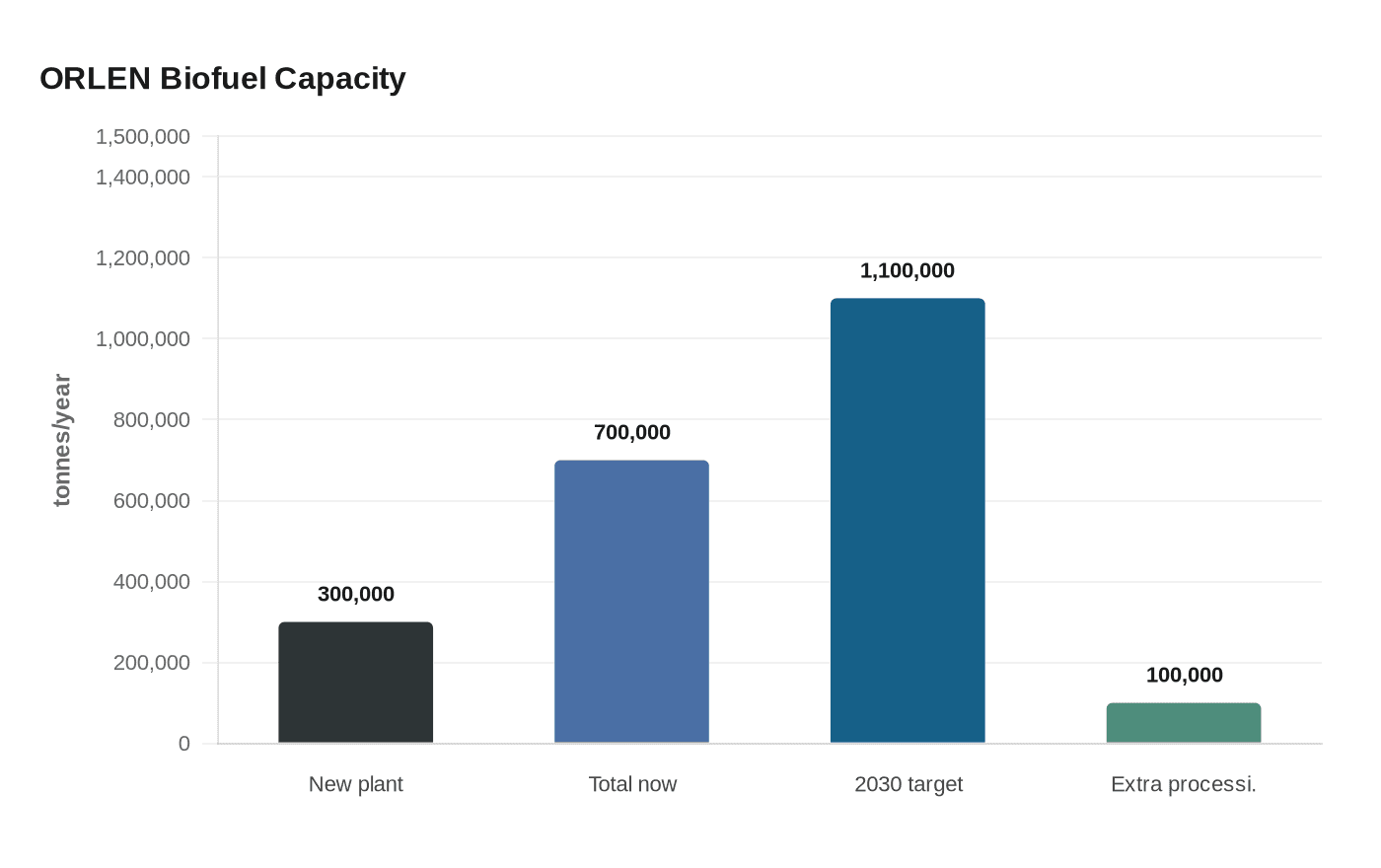
The project carries an investment value of more than PLN 800 million and lifts ORLEN’s total biofuel capacity to about 700,000 tonnes a year. Ireneusz Fąfara, ORLEN’s chief executive, said the installation strengthens Poland’s fuel security, gives ORLEN greater control over a strategically important segment of the biofuels market and improves cost efficiency by reducing exposure to external market volatility. ORLEN also said the plant will serve the domestic market first and help the company move toward 1.1 million tonnes of annual biofuel capacity by 2030.
The Płock unit matters because it sits at the point where renewable diesel policy, refining economics and feedstock security meet. ORLEN said the HVO output can cut greenhouse-gas emissions by 65% or more versus conventional fuels, while its HVO100 sales in Germany are already positioned as a higher-abatement product that can reduce emissions by up to 90%. The company is also leaning on existing refinery assets: in May, it said two hydrodesulfurization units in Płock had been prepared for co-processing vegetable oils, adding more than 100,000 tonnes a year of processing capacity for rapeseed oil and used cooking oil.
ORLEN first signaled the Płock build in October 2024, when it said construction was well underway and the project cost was about PLN 600 million. The higher investment figure now attached to the launch underscores how quickly renewable diesel projects can be re-priced as equipment, feedstock systems and compliance requirements evolve. ORLEN has also launched the “Międzyplony dla biopaliw” program with farmers and technology partners to build domestic biofuel feedstock chains, a move that could later support HEFA-based sustainable aviation fuel infrastructure at the same site.
The timing is politically important as well. Poland’s RED III implementation deadline was May 21, 2025, and the government says the directive requires member states to choose a 2030 transport target of either 29% renewable energy in transport or a 14.5% reduction in greenhouse-gas intensity. For ORLEN, Płock is now more than a renewable diesel plant: it is a hedge against imported feedstock risk and a larger domestic platform for meeting blending obligations.
This article was produced by Prism’s automated news system from verified source data, official records, and press releases, then run through automated quality and moderation checks before publishing. The system is built and supervised by the people who set the standards it runs under. Read our full AI policy.
Know something we missed? Have a correction or additional information?
Submit a Tip