Refiners sue EPA over costly biofuel blending mandates
AFPM sued EPA over the 2026-27 RFS, warning the mandate could add $106 billion in compliance costs and 26 to 35 cents a gallon.

American Fuel and Petrochemical Manufacturers on May 29 filed a lawsuit in the D.C. Circuit Court of Appeals challenging EPA’s final 2026-2027 Renewable Fuel Standard volumes, saying the rule could saddle refiners and fuel buyers with more than $106 billion in compliance costs over two years and lift gasoline and diesel prices by 26 to 35 cents a gallon. The refinery trade group’s case turns the long-running RFS fight into a direct test of EPA’s implementation strategy, not just the size of the annual blending targets.
EPA finalized the rule on March 27, published it in the Federal Register on April 1 and set it to take effect June 15. The agency kept conventional biofuel at 15 billion gallons for 2026 and 2027, included a 70% reallocation of small refinery exemptions granted for 2023 to 2025, and said biodiesel and renewable diesel production and use will need to rise by more than 60% versus 2025 volumes to meet the mandate. EPA said the rule would deliver a $31 billion value for American corn and soybean oil in 2026, generate more than $10 billion for rural economies and support over 100,000 jobs in agriculture and manufacturing.
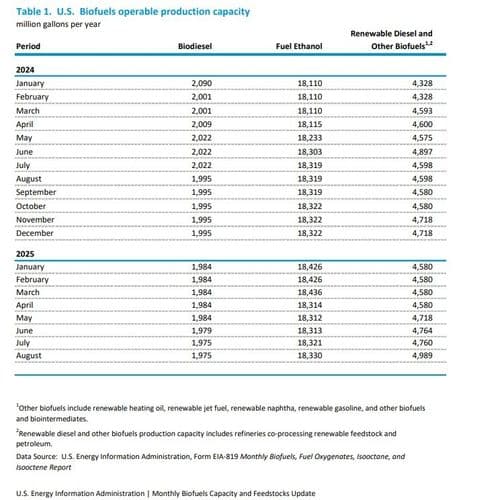
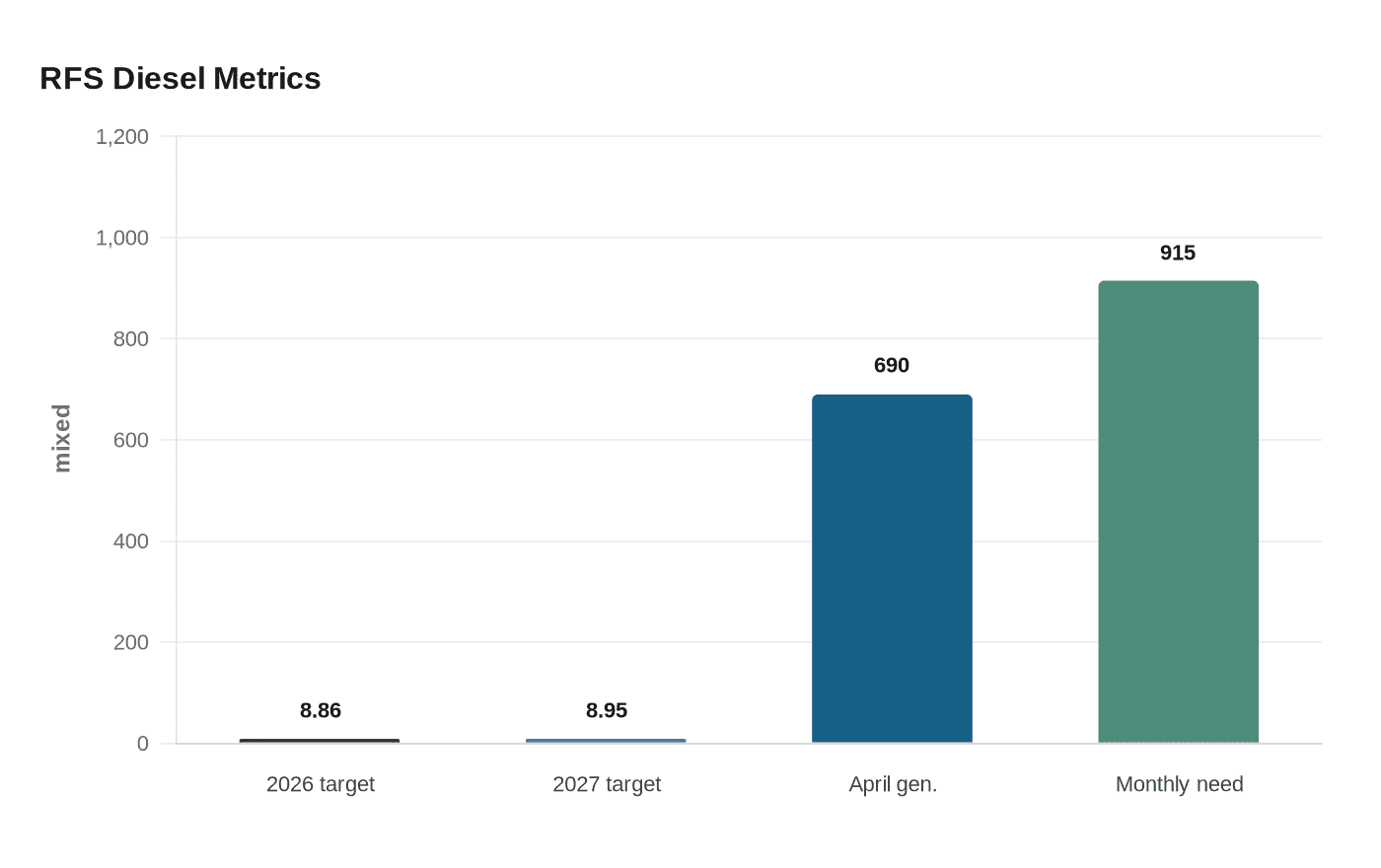
At stake is who absorbs the bill. AFPM argues the requirements exceed current U.S. production capacity and could force refiners to import more fuel and feedstocks, with the cost then passed through to consumers. Biofuels advocates say the opposite is true, that stronger volumes secure blending demand, support crop demand and steady investment in renewable diesel and biodiesel. Industry figures around the rule have framed EPA’s biomass-based diesel target at 8.86 billion RINs for 2026 and 8.95 billion RINs for 2027, levels that would keep pressure on the compliance market if production does not keep up.
The lawsuit landed as the market was already tight. 2026 ethanol and biodiesel RIN prices had pushed to record highs, the RIN bank was drawing down and biodiesel RIN generation in April was only about 690 million, versus roughly 915 million a month needed to stay on pace. That makes the case more than a policy dispute: if refiners win, EPA may have to pull back on mandated volumes and reallocation. If EPA wins, refiners and fuel consumers will keep carrying the compliance load while biofuel producers and farm-state suppliers capture the upside.
Growth Energy said litigation after final RFS rulemakings is routine and that it was not worried about the challenge. AFPM said its detailed case would be laid out in a coming brief, setting up a broader fight over EPA’s authority, the timing of implementation and the treatment of exempted volumes.
This article was produced by Prism’s automated news system from verified source data, official records, and press releases, then run through automated quality and moderation checks before publishing. The system is built and supervised by the people who set the standards it runs under. Read our full AI policy.
Know something we missed? Have a correction or additional information?
Submit a Tip