Rhoads Energy builds biodiesel terminal to speed cleaner fuel delivery
Rhoads Energy broke ground on a rail-linked biodiesel terminal that will move 100% biodiesel into trucks and open in late July.
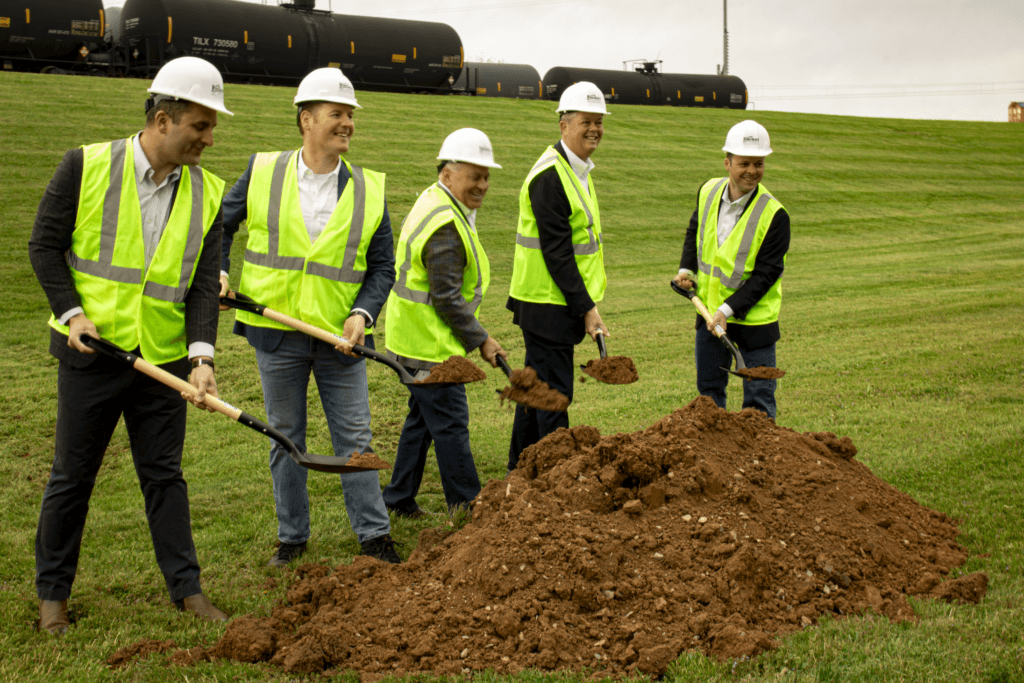
Rhoads Energy on April 29 began building a biodiesel terminal at its Red Rose Midstream site in Rapho Township, Lancaster County, a project designed to move 100% biodiesel directly from rail cars into tanker trucks. The company said the facility is slated to be operational in late July, a timeline that puts the focus squarely on logistics rather than another production headline.
The terminal is meant to expand access to biodiesel across Rhoads’ fuel network and make delivery cheaper and easier, especially in markets where storage, blending and last-mile transport can slow adoption. Rhoads said biodiesel is a key component of B5 Bioheat, the company’s 5% biodiesel and standard heating oil blend, and said the product reduces carbon emissions and air pollutants compared with conventional heating oil. That matters in a service area that stretches across Lancaster, Lebanon, York, Cumberland, Dauphin, Berks, Chester and Montgomery counties in Pennsylvania, as well as Cecil and Harford counties in Maryland.
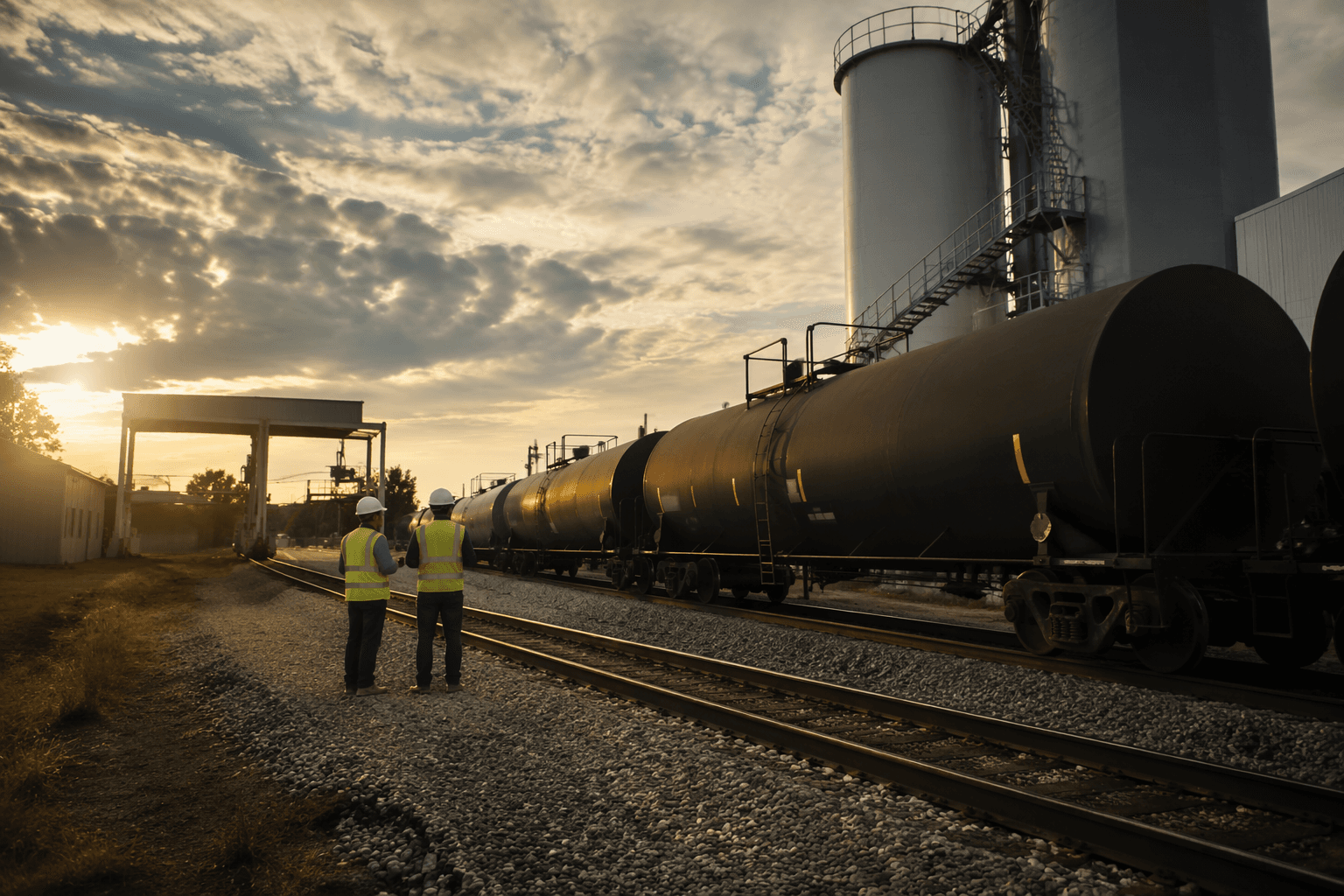
The project also connects to the company’s history. Rhoads Energy says it has been in continuous operation since 1917, when Jerome H. Rhoads began selling kerosene from the back of a rail car in Quarryville. More than a century later, the company is returning to rail-based fuel handling, this time to speed the flow of renewable liquid fuels into local trucks and heating-oil distribution channels.
A company blog image from the groundbreaking identified Ted Harris, executive vice president at the Pennsylvania Petroleum Association, and Mike Devine, president of the National Oilheat Research Alliance, among the attendees. Their presence underscored the market significance of a project that is small by refinery standards but important for regional fuel handling.

For Pennsylvania biodiesel and Bioheat markets, the bottleneck is often not just making the fuel. It is getting enough rail receipt, storage, blending and truck-loading capacity in place to move the gallons where they are needed. Rhoads’ new terminal points to that midstream constraint, and to the role local infrastructure can play in turning renewable fuel supply into usable delivery volume.
This article was produced by Prism’s automated news system from verified source data, official records, and press releases, then run through automated quality and moderation checks before publishing. The system is built and supervised by the people who set the standards it runs under. Read our full AI policy.
Know something we missed? Have a correction or additional information?
Submit a Tip