Sustainable aviation fuel market seen reaching $43.75 billion by 2034
SAF output doubled in 2024, but 1 million tonnes still covered just 0.53% of airline fuel needs, far short of a $43.75 billion market by 2034.
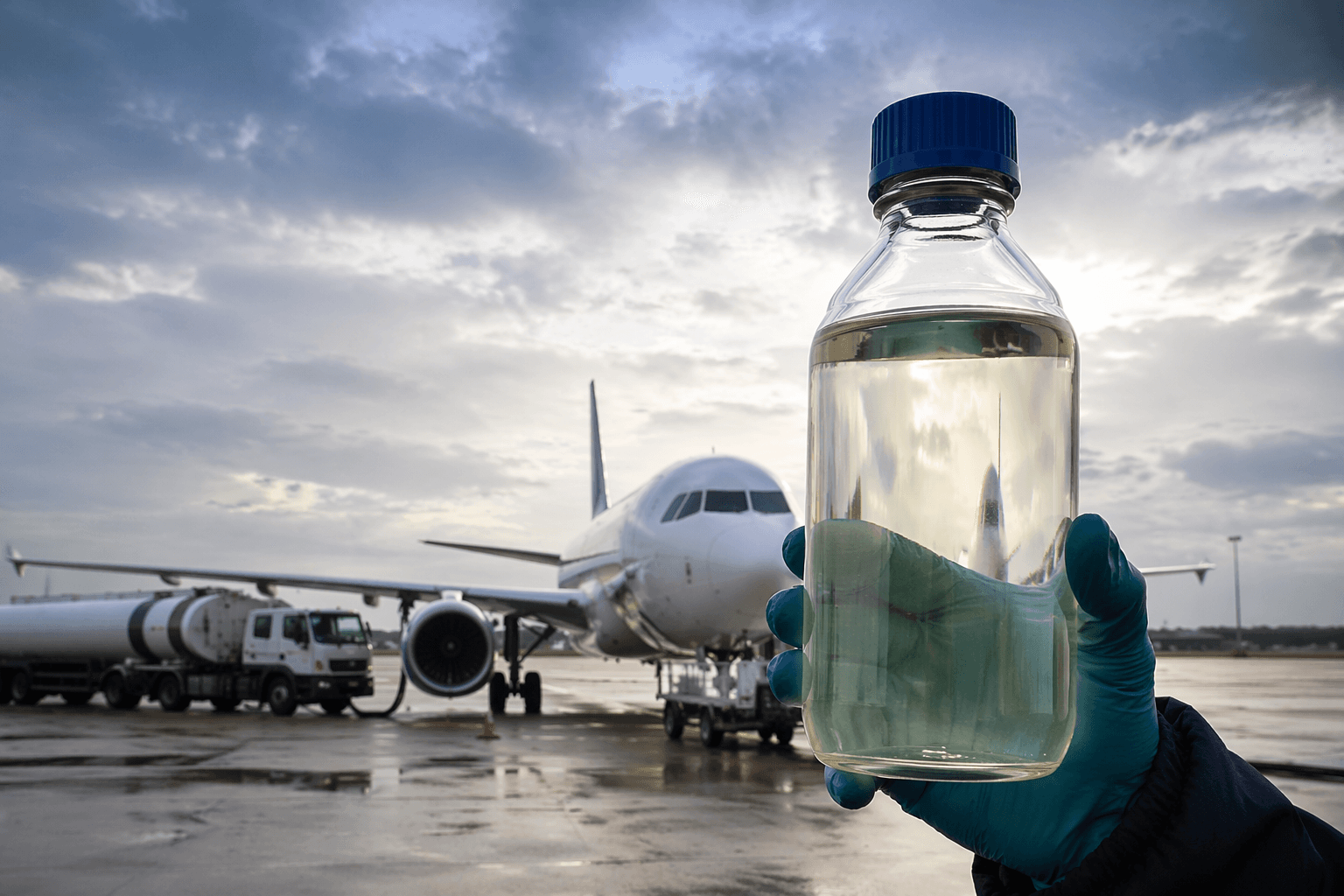
The sustainable aviation fuel market is still small at $1.68 billion in 2025, but The Insight Partners projects it will climb to $43.75 billion by 2034, a 7.41% compound annual growth rate that rests on far more than headline demand growth. The real test is whether producers can scale enough supply, secure financing and lock in airline offtakes before the industry’s net-zero clock tightens.
ICAO has already made the strategic case for the fuel. The agency says SAF offers the greatest potential to cut carbon dioxide emissions from international aviation, and its global framework sets an aspirational goal of trimming those emissions 5% by 2030. ICAO’s work on SAF projections extends to 2035 and 2050, with the most recent update developed in 2024, underscoring how central the fuel has become to long-range aviation planning.
The supply side still looks thin relative to that ambition. IATA said SAF production reached 1 million tonnes, or 1.3 billion liters, in 2024, double the 0.5 million tonnes, or 600 million liters, produced in 2023. Even so, that volume met only about 0.53% of the aviation industry’s fuel needs last year. IATA’s net-zero framework puts SAF alongside innovative propulsion technologies and efficiency improvements, but the production numbers show why SAF remains the dominant near-term lever.
That gap is the market’s first bottleneck. The 2034 forecast assumes policy stays durable enough to justify capital spending, feedstock supply grows fast enough to support new plants, and airlines keep signing long-dated offtake deals. Of those constraints, financing and bankable demand look most likely to fail first, because the market is still asking developers to move from a 1 million tonne base to a system large enough to matter against global jet-fuel demand. The industry’s 2050 net-zero target leaves little room for delay, and the next five years will determine whether SAF scales as a real fuel pathway or remains a modest slice of the pool.
This article was produced by Prism’s automated news system from verified source data, official records, and press releases, then run through automated quality and moderation checks before publishing. The system is built and supervised by the people who set the standards it runs under. Read our full AI policy.
Know something we missed? Have a correction or additional information?
Submit a Tip