Syntholene to launch geothermal eSAF demo plant in Iceland
Syntholene said its Húsavík demo secured 20MW of geothermal power, a key test of whether eSAF can cut electricity costs and carbon intensity.
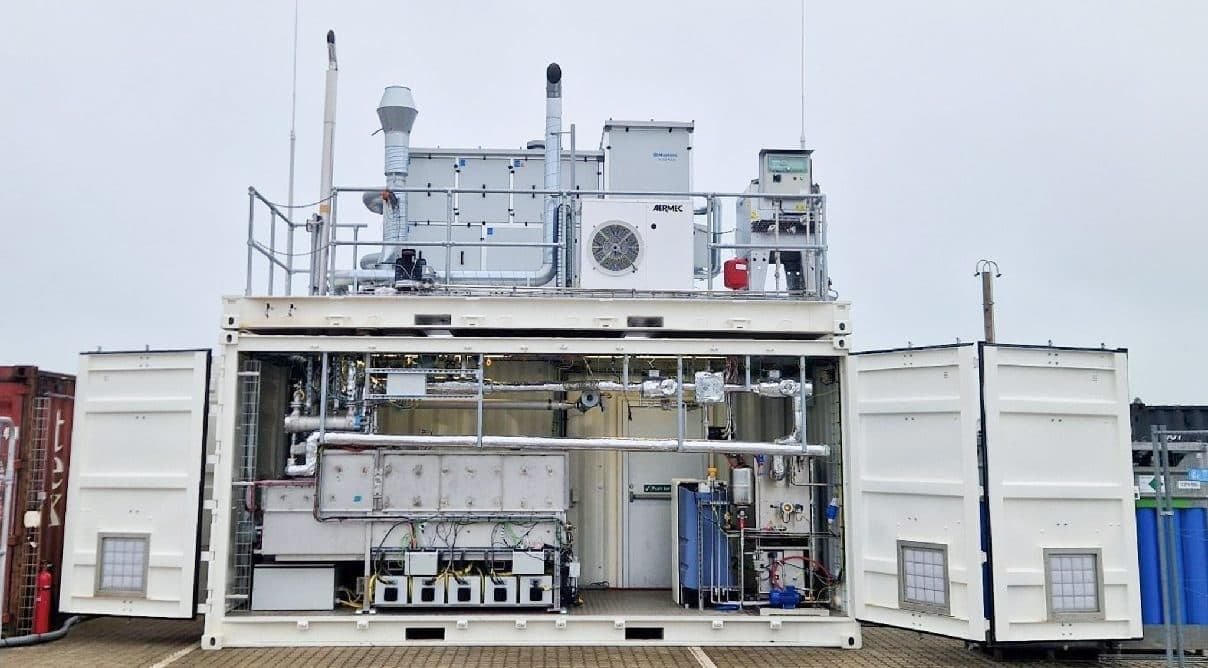
Syntholene on June 3 said it was nearing startup of a geothermal eSAF demonstration plant in Húsavík, Iceland, backed by 20MW of dedicated energy, a setup the company is using to test whether geothermal heat and power can lower both the cost and carbon intensity of power-to-liquids aviation fuel.
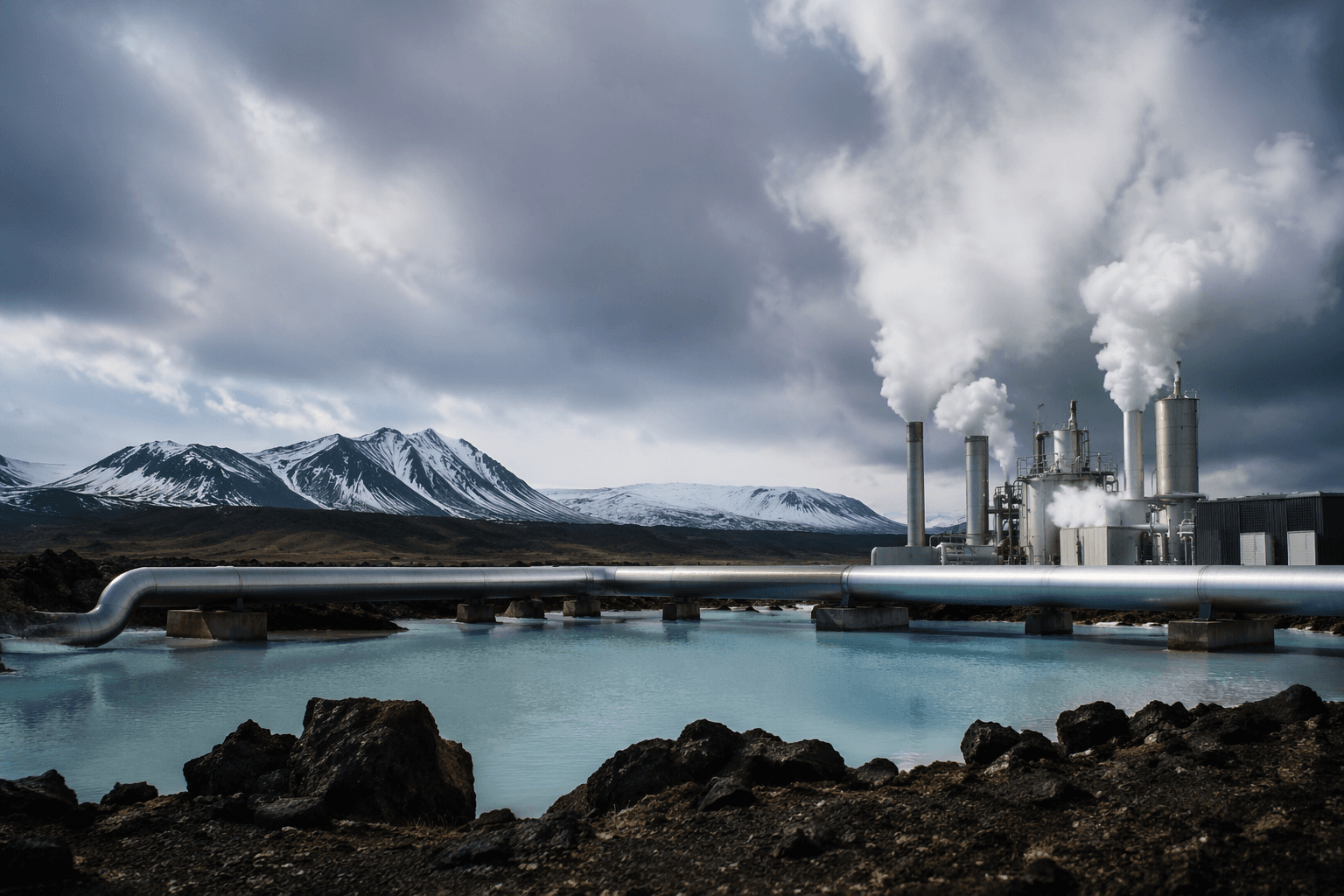
The Chicago-based developer said the site sits inside Húsavík Power Station, a preserved geothermal energy center with heat exchangers, district-heating ties, water cooling systems and a 20-kilometre insulated geothermal pipeline from the Hveravellir geothermal field. Syntholene is pairing that infrastructure with high-temperature electrolysis using solid oxide electrolyser cell, or SOEC, technology, and said the demo facility is designed to validate continuous integration between geothermal heat, hydrogen production and balance-of-plant systems.
The company said the project moved faster than initially planned. Syntholene signed a definitive land lease on April 13 for a 500 m² site at Húsavík Power Station and received municipal construction approval in April. It had originally expected completion in autumn 2026, but later said the plant was on track to finish about six months early and could begin operations as early as June 2026. Syntholene also said its SOEC system completed factory acceptance and operational commissioning ahead of schedule, and that the thermal-coupling heat exchanger system was fabricated in 42 days.
Dan Sutton, Syntholene’s chief executive, has positioned the site as a proof point for a geothermal-integrated production model that could reduce dependence on higher-cost electricity inputs. The strategic case is straightforward: if geothermal power can deliver low-cost, low-carbon electrons and usable heat at the same site, it could improve the economics of eSAF in markets where renewable power prices or grid constraints are still a bottleneck. What the Húsavík demo can prove is the operating logic, energy integration and process performance. What remains to be shown is whether those gains translate into commercial-scale fuel costs that can compete with other eSAF pathways.
Municipal backing has been part of the pitch. Norðurþing Mayor Katrín Sigurjónsdóttir supported the project in April, saying the municipality backs Syntholene’s use of geothermal energy to produce cost-effective, environmentally friendly synthetic fuel and sees potential for local aviation-fuel production and regional diversification.
The project lands as policymakers keep trying to de-risk e-fuels. The European Commission says the eSAF Early Movers Coalition aims to mobilise at least €500 million for early scale-up and will keep supporting member states on an announced €2 billion double-sided eSAF auction. The International Energy Agency has said renewable hydrogen costs could fall 30% by 2030 as renewable electricity and electrolyser deployment scale, a trend that would improve the case for geothermal-backed eSAF if Syntholene’s demo can hold up in operation.
This article was produced by Prism’s automated news system from verified source data, official records, and press releases, then run through automated quality and moderation checks before publishing. The system is built and supervised by the people who set the standards it runs under. Read our full AI policy.
Know something we missed? Have a correction or additional information?
Submit a Tip