U.S. biofuel producers boost feedstock use as corn, soybean oil rise
U.S. biofuel producers burned 30.193 billion pounds of feedstock in March, led by 26.594 billion pounds of corn and a bigger pull on soybean oil.
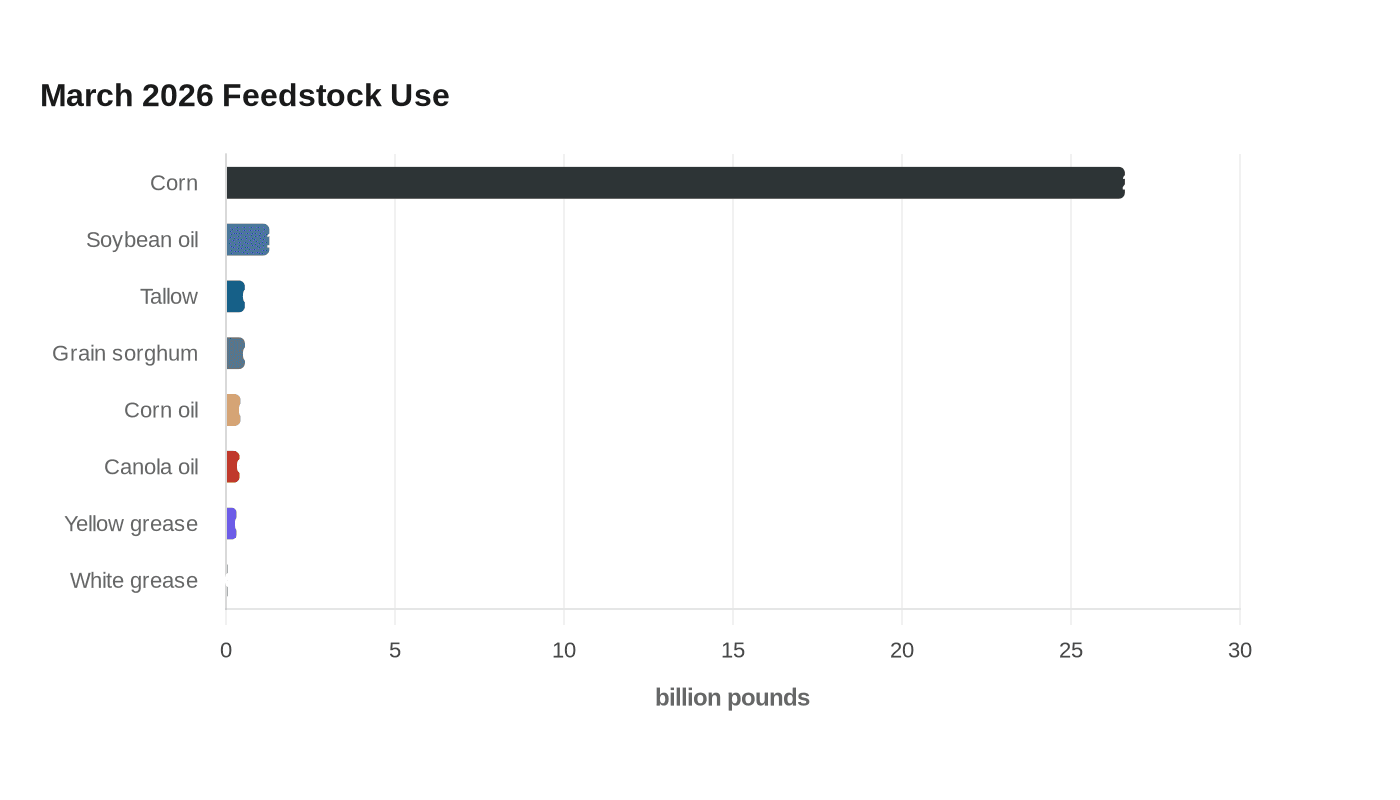
U.S. biofuel producers consumed 30.193 billion pounds of feedstock in March 2026, a near 12% jump from February and a 6% increase from March 2025, according to data released by the U.S. Energy Information Administration on May 29. Corn remained the backbone of the system at 26.594 billion pounds, but the month also showed stronger demand for soybean oil, waste oils and animal fats as producers leaned on a broader slate of inputs.
Soybean oil use reached 1.283 billion pounds in March, with 697 million pounds going to biodiesel and 587 million pounds to renewable diesel. Corn oil consumption climbed to 432 million pounds from 385 million pounds a year earlier, while canola oil use rose to 403 million pounds from 234 million pounds. Tallow reached 559 million pounds, yellow grease, which includes used cooking oil, hit 314 million pounds and white grease totaled 48 million pounds. Grain sorghum consumption also increased to 560 million pounds.
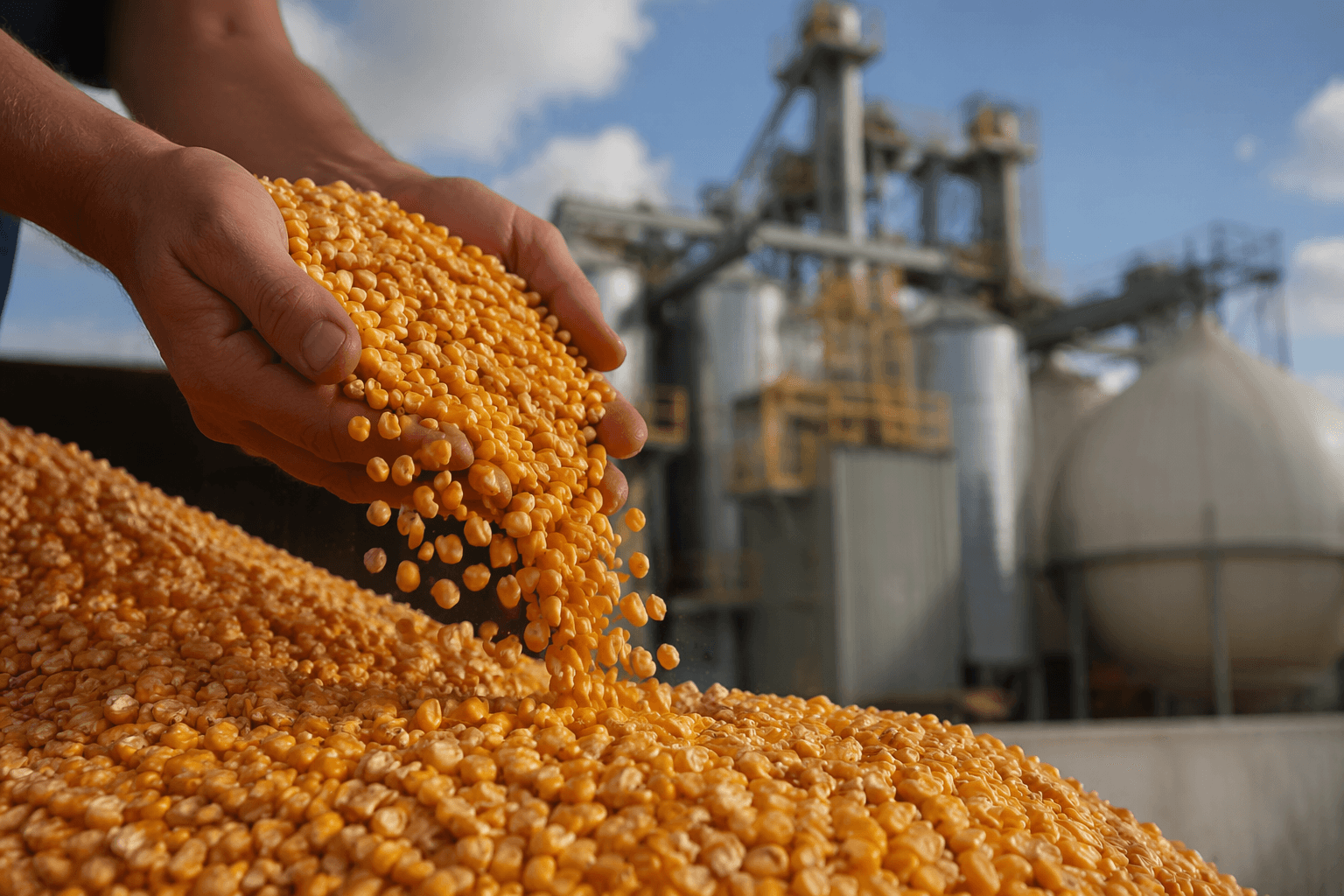
The feedstock mix matters because it shows where biofuel plants are drawing supply as policy support, pricing and carbon-intensity targets reshape procurement. Higher soybean oil use points to continued strength in biomass-based diesel demand, while gains in yellow grease, tallow and other waste-derived streams underline their role in renewable diesel and SAF-linked supply chains. The month’s numbers also suggest stronger run rates and less dependence on a single crop-based input than in earlier periods.
The Energy Information Administration’s feedstock series spans ethanol, biodiesel, renewable diesel, renewable jet fuel, renewable naphtha, renewable gasoline, biobutanol and other biofuels and biointermediates. The agency also said its renewable diesel and other biofuels feedstock data include refinery co-processing of renewable feedstock and petroleum, making the series a wider read on how the fuel pool is being supplied. The U.S. Department of Agriculture Economic Research Service says its bioenergy statistics are intended to show biofuel demand for agricultural feedstocks and its relationship to agriculture, which is why the March figures matter for grain flows, crush margins and farm income.
March’s appetite also sat above the 29.510 billion pounds EIA reported for March 2024, reinforcing that the sector’s raw-material pull remains elevated. With the agency’s latest Short-Term Energy Outlook released May 12 and BASF and Arva announcing a strategic collaboration on May 26 to help producers and farmers capture value from the Clean Fuel Production Credit, Section 45Z, feedstock verification and low-carbon sourcing are moving further into the center of commercial strategy.
This article was produced by Prism’s automated news system from verified source data, official records, and press releases, then run through automated quality and moderation checks before publishing. The system is built and supervised by the people who set the standards it runs under. Read our full AI policy.
Know something we missed? Have a correction or additional information?
Submit a Tip