USTR probe could reopen China market for U.S. ethanol exports
U.S. ethanol exports set a record without China, while a USTR review of Beijing’s Phase One deal could bring back a market that once bought nearly 200 million gallons.
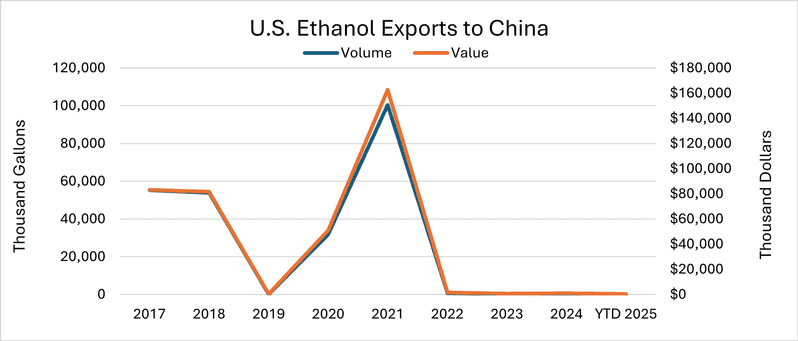
U.S. ethanol export volumes hit record levels even as China stayed out for a third straight year, underscoring how far the trade has shifted since Beijing was one of the top destinations for American fuel ethanol and distillers grains.
The Office of the U.S. Trade Representative in October 2025 opened a review of China’s 2019 Phase One Agreement, a pact that required Beijing to buy roughly $200 billion in U.S. goods above 2017 levels by 2021. Ethanol and DDGS were specifically included among products that could count toward those purchase commitments, giving the industry a formal path to argue for renewed access to the Chinese market.
The review moved into a hearing in December 2025, where Renewable Fuels Association President and CEO Geoff Cooper testified for the ethanol industry. Cooper told USTR that China’s failure to meet its obligations had cut off sales and hit the farm economy. “China’s failure to fully implement the Phase One Agreement has resulted in lost market opportunities and significant financial losses for U.S. ethanol producers, and the farmers who supply grain to our member companies,” Cooper said. He added that China had once been a growth market that was effectively closed off: “What was once a 200-million-gallon-per-year market, and growing and showing promise, has now become a shuttered market with no prospects for future opportunity, all because China has abandoned its commitments under the Phase One Agreement.”
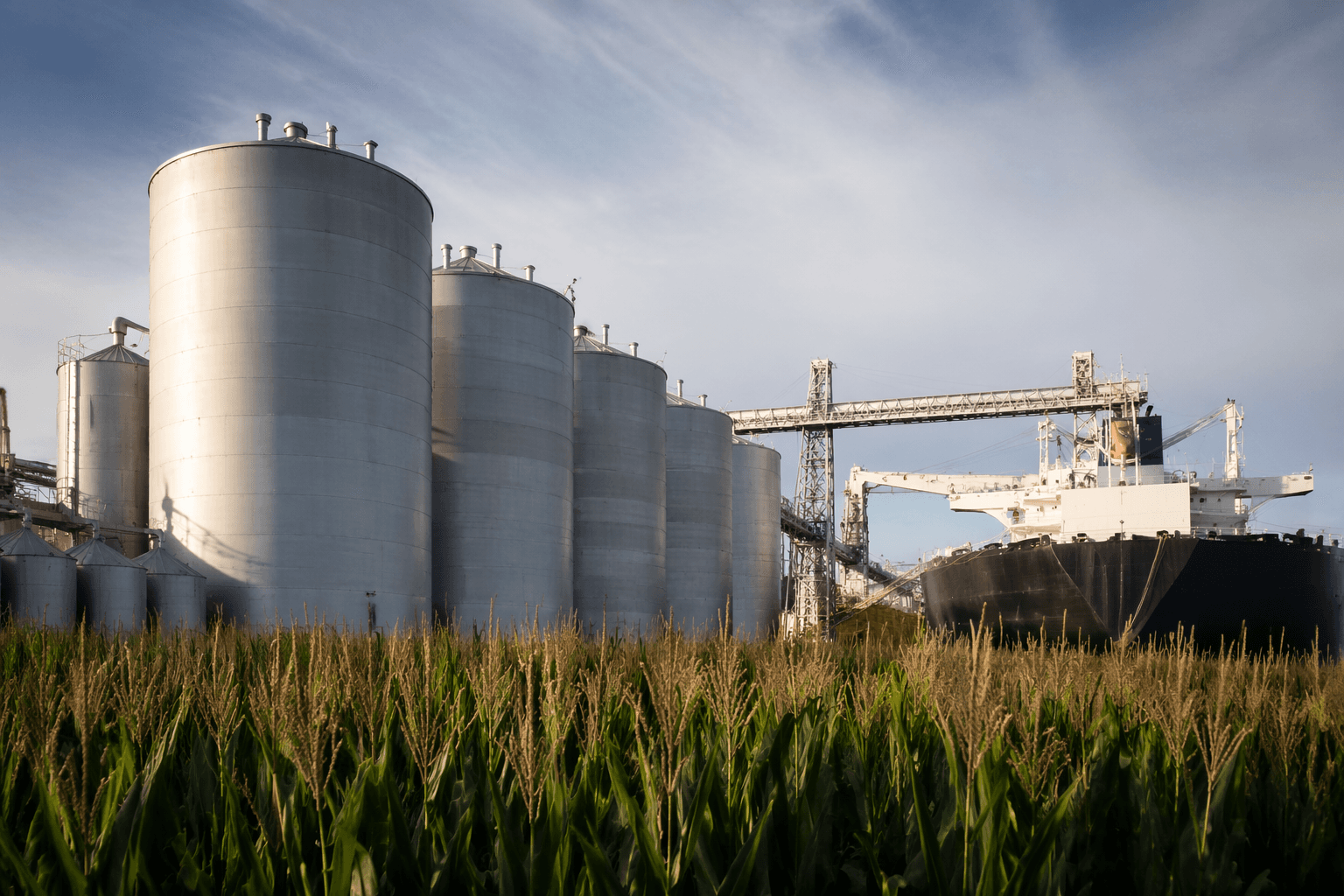
The numbers show the collapse clearly. China imported nearly 200 million gallons of U.S. ethanol in 2016, worth $313 million, before tariff rates rose from 5% to 30% in 2017 and export volumes fell by more than 70%. By 2020 and 2021 combined, China imported only 84 million gallons, and by 2022 it had essentially stopped buying U.S. ethanol and DDGS altogether.
The record export total without China points to a durable rerouting of barrels into other markets, not a simple replacement of one buyer with another. But if the USTR review pushes Beijing back toward compliance, it could restore a market that once absorbed significant volumes and support producer margins at home by tightening the balance between domestic supply and export demand.
This article was produced by Prism’s automated news system from verified source data, official records, and press releases, then run through automated quality and moderation checks before publishing. The system is built and supervised by the people who set the standards it runs under. Read our full AI policy.
Know something we missed? Have a correction or additional information?
Submit a Tip