Vanguard Renewables breaks ground on Minnesota RNG facility
Vanguard Renewables started construction in Litchfield on a project that will take more than 300 tons of food waste a day and make about 270,000 MMBtu of RNG annually.
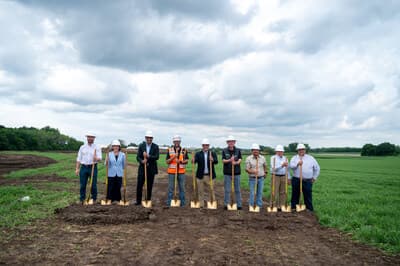
Vanguard Renewables broke ground June 4 on a renewable natural gas and organics recycling facility in Litchfield, Minnesota, a project built around a feedstock stream that fits the Midwest’s farm and food-processing base. The site at Wagner Dairy in Meeker County will take in more than 300 tons of food and beverage waste a day, then use anaerobic digestion to make about 270,000 MMBtu of RNG a year and nutrient-rich fertilizer.
The project adds another piece to the region’s emerging organics infrastructure. Wagner Dairy has operated as a family farm since 1887, and the siting shows how RNG developers are pairing long-running agricultural assets with urban food waste to create a steady local supply chain. In practical terms, that means food and beverage generators get a disposal outlet closer to market, while dairy and crop operators gain digestate that can be returned to fields as fertilizer, supporting the circular-economy model Minnesota has been promoting.
The RNG will flow into CenterPoint Energy’s distribution system in Minnesota, and CenterPoint has agreed to buy the output from the Litchfield project for use by its customers’ homes and businesses. The utility serves roughly 930,000 to 950,000 customers in the state, making the project more than a single-farm development. It ties organics recycling directly into a regulated gas network, which is the kind of structure that can give RNG projects durable offtake and bankability.
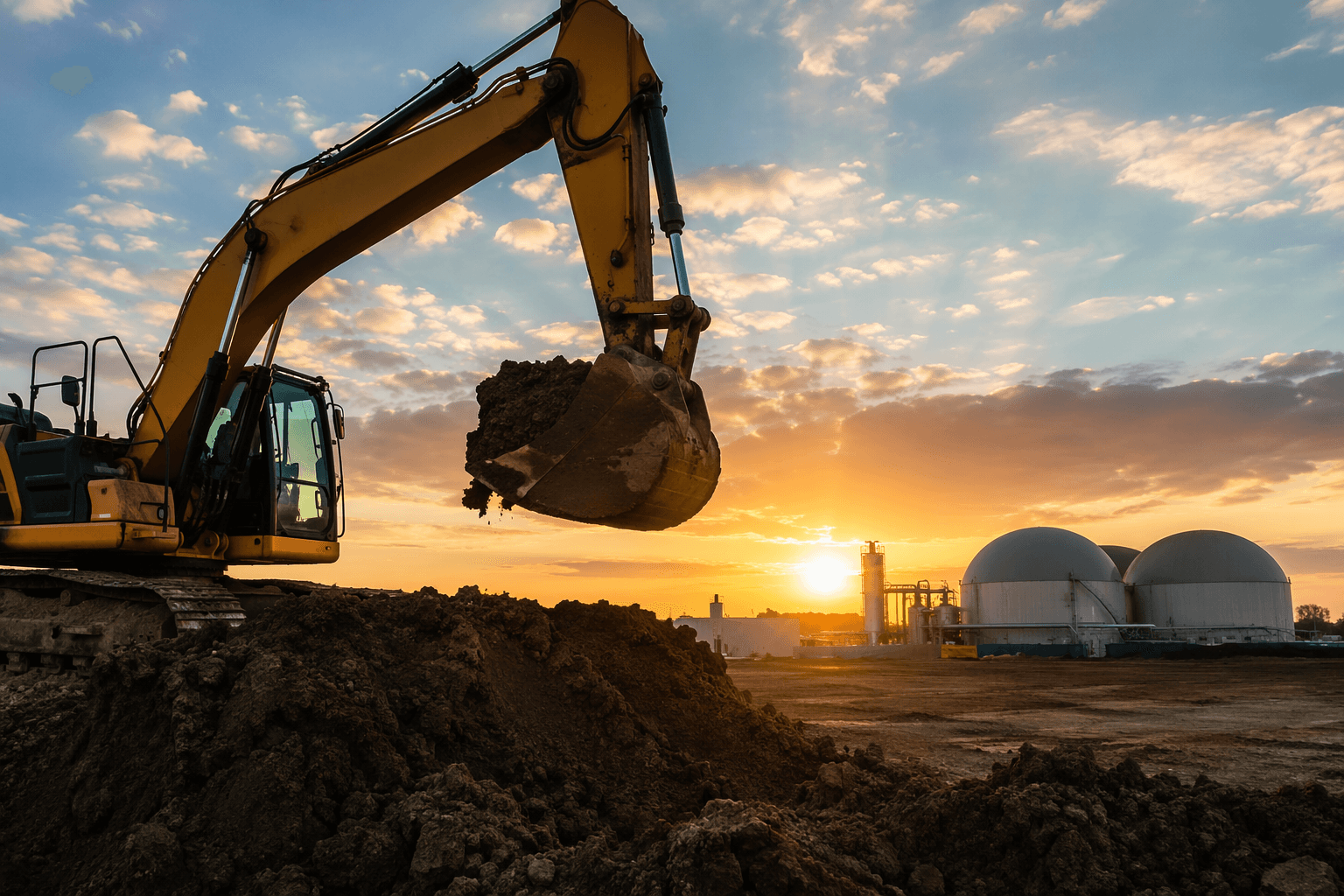
The buildout also marks another step for the TotalEnergies and Vanguard Renewables joint venture, which was formed in April 2024 to develop, build and operate Farm Powered RNG projects across the United States. Vanguard Renewables said the Minnesota plant will bring its nationwide facility count to 14 once online. Mike O’Laughlin, Vanguard Renewables’ chief executive, said the Midwest offers a natural fit because of its agricultural production, food manufacturing and energy demand, while CenterPoint Vice President of Utility Strategy Muss Akram said the company was investing in Minnesota-made renewable energy to lower emissions and support affordable, safe and reliable service.
For Minnesota, the project points to a repeatable hub model rather than an isolated plant. The ingredients are all there: concentrated dairy operations, steady food waste supply, pipeline access and a utility willing to buy the gas. If more projects line up along those lines, Litchfield could look less like an outlier and more like an early template for Midwest RNG expansion.
This article was produced by Prism’s automated news system from verified source data, official records, and press releases, then run through automated quality and moderation checks before publishing. The system is built and supervised by the people who set the standards it runs under. Read our full AI policy.
Know something we missed? Have a correction or additional information?
Submit a Tip