Convr makes underwriting AI core-system agnostic across P&C platforms
Convr is betting on a layer above core systems, with 63% of carriers still running hybrid stacks and a workbench built to plug into Guidewire, Duck Creek and Sapiens.
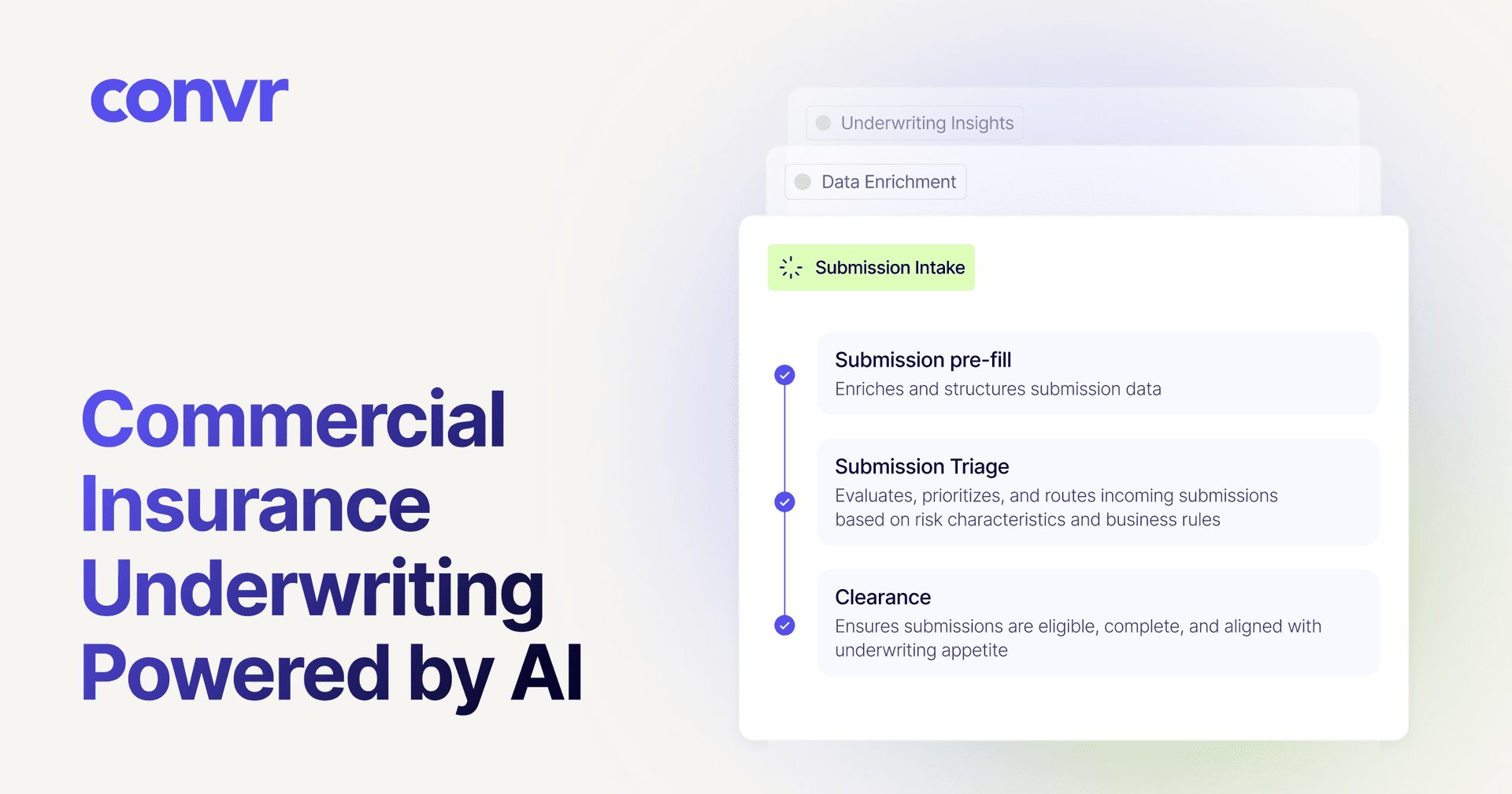
Convr is pushing underwriting AI into the space carriers actually live in: the layer between a policy administration core and the underwriting desk. In a June 23 release from Chicago, the company said its workbench now spans Guidewire, Duck Creek, Sapiens and other core systems used by carriers and MGAs worldwide.
That positioning matters because core replacement is slow and expensive, while AI projects are being asked to show value fast. Convr says its architecture was built for that gap, using APIs and configurable data exchanges to translate across policy data models and exposure structures instead of asking carriers to rip out the core first. The pitch is straightforward: keep the system of record in place and add underwriting intelligence on top.

The product itself is built around a P&C-specific Risk Context Engine. Convr says the workbench covers the full submission lifecycle, from intake and enrichment through scoring, decisioning and portfolio analysis. It also keeps underwriters in the loop. On its underwriting pages, Convr says underwriters review, validate or adjust key fields before information moves into downstream systems, which is the kind of control carriers usually want when they are dealing with messy broker submissions and incomplete exposure data.
Convr sharpened that message in June 2026, saying the Risk Context Engine is calibrated on a decade of production data and more than 2,500 integrated sources. The company’s own survey release added a number that explains the timing: 63% of carriers operate in hybrid technology environments, with a legacy core and cloud tools layered on top. That is the market Convr is aiming at, not the greenfield carrier that can start over.
The competitive backdrop makes the strategy easier to read. Guidewire’s marketplace page for Convr says the platform can cut submission-through-quote time by 70% and improve new-business win rates. Duck Creek continues to sell an intelligent core with low-code configuration and managed integrations, while Sapiens is marketing an underwriting workbench built around streamlined, non-linear workflows and portfolio decision intelligence. Convr, founded in 2016 as DataCubes and renamed in May 2020, is making the opposite bet: carriers will adopt the AI layer first and leave the core migration for later.
This article was produced by Prism’s automated news system from verified source data, official records, and press releases, then run through automated quality and moderation checks before publishing. The system is built and supervised by the people who set the standards it runs under. Read our full AI policy.
Know something we missed? Have a correction or additional information?
Submit a Tip