Future Processing scales futureClaims to modernize insurance claims without core migration
Future Processing scaled futureClaims as a modular claims layer for carriers that want faster intake and routing without a core replacement project.
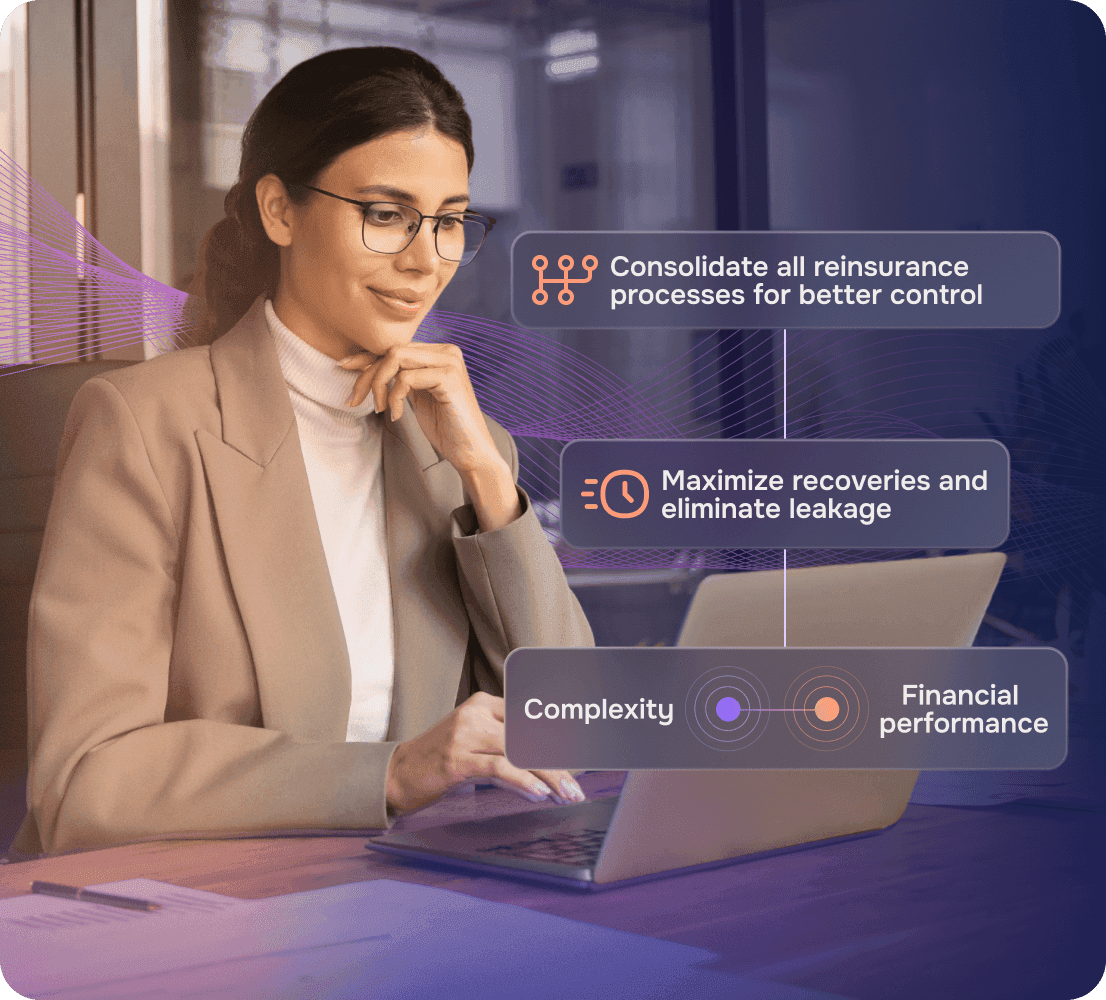
Future Processing has pushed futureClaims deeper into the claims modernization market with a pitch that is hard to miss: improve claims operations without first tearing out the core. The platform is aimed at MGAs, carriers and TPAs, and the company is positioning it for complex commercial and specialty claims, including the London Market, where integration, broker communication and auditability can make or break a transformation program.
The appeal is straightforward for insurance CIOs. Claims is often the easiest place to show value from modernization because it touches customer experience, leakage, fraud controls and service speed all at once. Future Processing says futureClaims is built as a modular set of components that can sit over existing policy, billing and claims systems, letting customers choose only the features they need instead of forcing a full migration. The platform includes intelligent claims triage, automated document and action tracking, real-time data insights, enhanced risk monitoring, automated broker notifications, rules-based alerts and full compliance and auditability.
That modular approach reflects the direction many insurers are already taking. KPMG says claims remains one of the most underutilised strategic assets in insurance and argues that transformation should be tied to an end-to-end business architecture, not treated as a back-office cleanup exercise. McKinsey & Company has similarly warned that legacy P&C systems, built for a slower paper-driven model, create operational inefficiency, higher maintenance costs and difficulty meeting real-time expectations such as faster claims payouts. McKinsey also notes that many insurers are choosing incremental modernization, upgrading selected components rather than replacing everything at once.
Future Processing is leaning into that same playbook. The company says futureClaims integrates with existing core systems and can deliver immediate productivity gains without lengthy implementation cycles. It also says the product is already generating tangible impact for clients and is now being scaled further, with Piotr Piękoś, head of insurance practice at Future Processing, among the executives driving the push. The company’s ecosystem credentials add to that positioning: it says it is an ACORD Solutions Group Licensed Integrator Partner and lists AWS Advanced Tier Services Partner and Google Cloud Partner status on its insurance page.
The timing matters because the market is full of carriers that want to modernize claims first, but cannot justify a multiyear core program just to improve triage, document handling or task routing. Future Processing commissioned a survey of claims leaders that found 36% ranked improving claims processes as their top priority, followed by 35% for fraud detection and 32% for data governance. Barriers were just as revealing: 30% cited resistance to change and technology investment, while 26% pointed to the training burden of legacy systems and 26% to changes in external collaboration.
That is the opening futureClaims is trying to own. In a market that increasingly rewards speed without disruption, the winners may be the vendors that reduce friction, preserve core stability and make claims feel like a strategic asset rather than another migration project.
This article was produced by Prism’s automated news system from verified source data, official records, and press releases, then run through automated quality and moderation checks before publishing. The system is built and supervised by the people who set the standards it runs under. Read our full AI policy.
Did this article answer your question?