Lemonade expands renters insurance into North Dakota with app-based claims
Lemonade brought renters coverage to North Dakota with app quotes, policy changes and claims, testing whether its AI stack can scale in a small state.

Lemonade brought renters insurance into North Dakota, and the launch was less about planting a flag than about proving that its app-first operating model can work in a smaller, lower-density state with minimal extra lift. North Dakota renters could buy coverage through the mobile app starting June 10, after Lemonade announced the rollout on June 9.
The workflow is the story. Lemonade said customers in the state can get quotes, purchase and amend policies, and submit claims in one app-based flow. The company said roughly 40% of claims are resolved instantly, with claims handled either by a bot or by a dedicated claims team. That setup turns North Dakota into another test case for whether automated underwriting and digital claims servicing can replace the old patchwork of portals, phone calls, and paper handoffs that still define much of personal lines insurance.

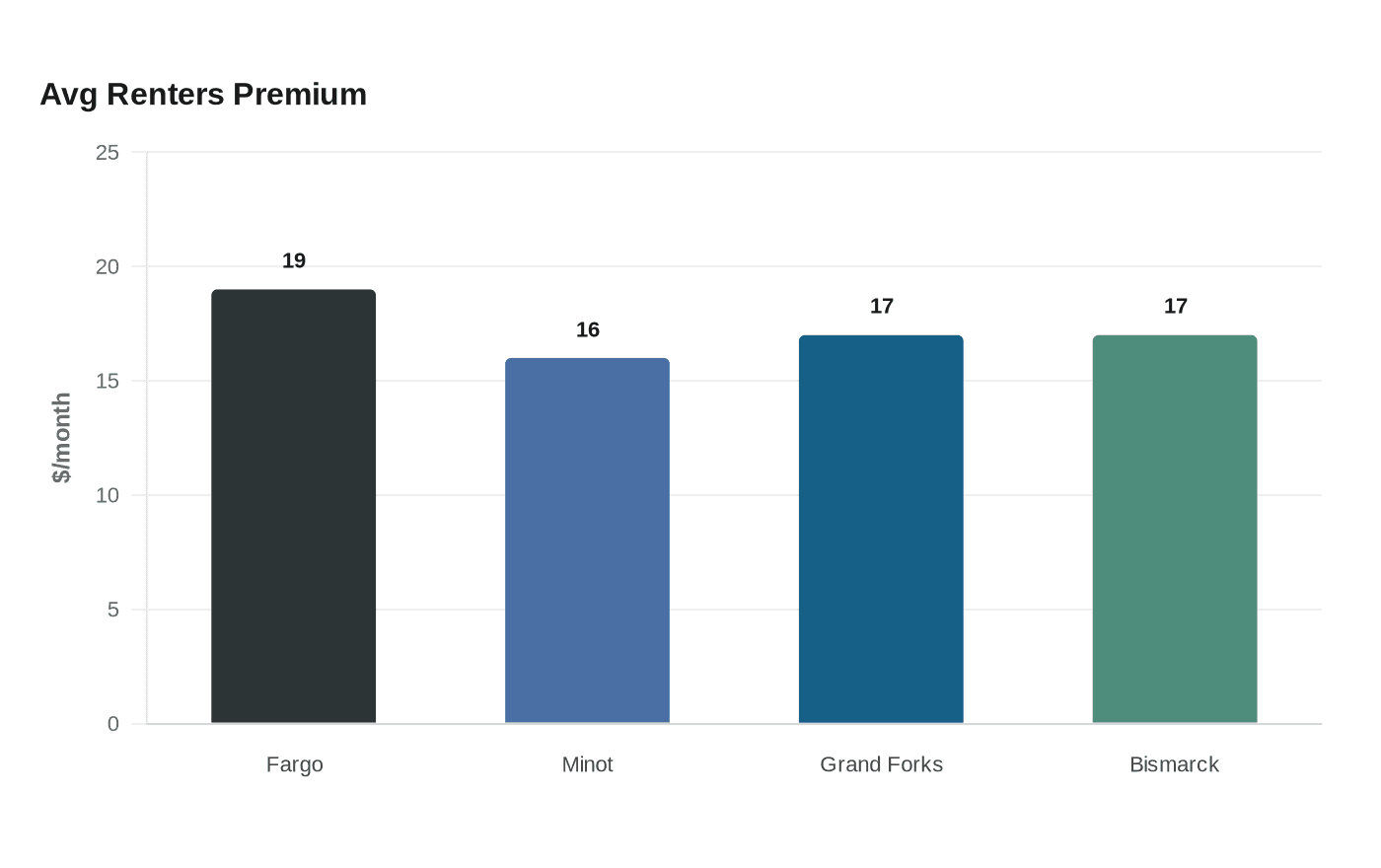
Pricing is the other lever. Lemonade said renters insurance in North Dakota starts at $5 per month, about 30% below the national average based on company and industry data. Customers may also qualify for lower pricing through bundling, eligible home safety devices, or annual billing. On Lemonade’s North Dakota landing page, the company said average monthly renters premiums in Fargo, Minot, Grand Forks, and Bismarck are about $19, $16, $17, and $17, respectively, citing ValuePenguin. That makes the app’s starting price a sharp consumer hook in a state where the local comparison set is still relatively modest.
North Dakota may be small, but it is not trivial. A state housing needs assessment said rental occupancy rose from 33% in 2010 to 38% in 2020, and the state housing data hub has flagged rental occupancy and vacancy trends as a policy focus. For Lemonade, that matters because renters insurance is one of the cleanest products to distribute digitally: low frequency, standardized enough to automate, and dependent on fast servicing when the loss happens.
The broader signal is about software scale. Lemonade said it serves more than 3 million active customers across the U.S., U.K. and Europe, and its 2025 Form 10-K said AI Jim took the first notice of loss without human intervention 96% of the time as of December 31, 2025. Lemonade also said it has added 1.2 million customers since Q3 2022 while headcount declined 6%. Daniel Schreiber has argued that being AI-native is not the same as layering AI onto legacy systems, and North Dakota looks like another place where that distinction gets tested in real operations, not slide decks.
This article was produced by Prism’s automated news system from verified source data, official records, and press releases, then run through automated quality and moderation checks before publishing. The system is built and supervised by the people who set the standards it runs under. Read our full AI policy.
Did this article answer your question?