P&C insurance software evolves from monoliths to modular cloud platforms
P&C software has moved from one core to layered cloud stacks. The real CIO question now is whether AI belongs in the core, in a separate decision layer, or in both.
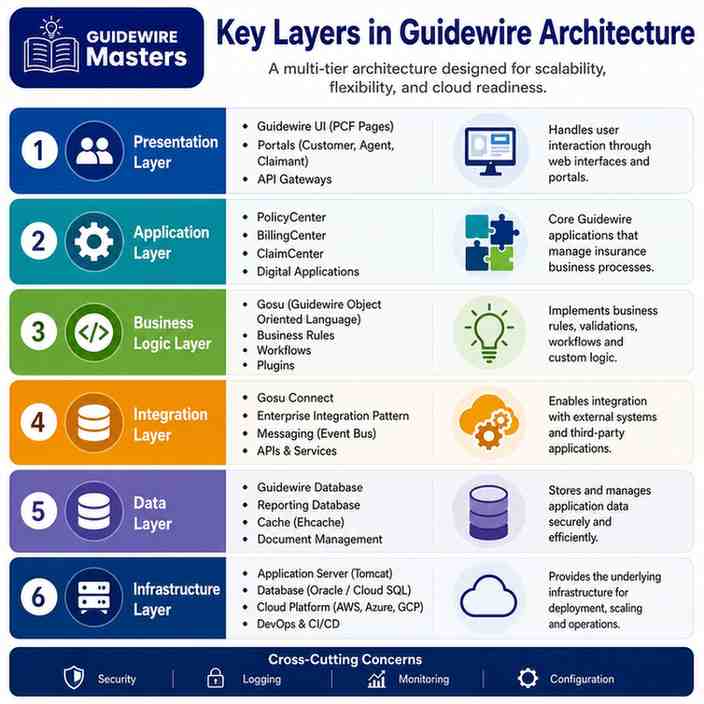
Pricing, underwriting, and portfolio optimization now sit in a separate software layer from the core systems that handle policy, claims, and billing. The biggest shift in P&C software is not a prettier interface. It is the breakup of the all-in-one core, first into cloud-delivered platforms, then into separate decision layers that handle pricing, underwriting, and portfolio moves faster than the system of record ever could. The old buying question was whether one vendor could replace a fragmented legacy stack for policy, claims, billing, and data. The newer question is whether that core can stay stable while the intelligence around it keeps changing.
The core-system era
Guidewire was founded in 2001 and has more than 570 global insurers on its platform. Duck Creek dates to 2000 and has more than 1,200 people across 12 offices in five countries.
That first wave solved a hard business problem: carriers were tired of stitching together legacy policy, claims, billing, and data tools that could not talk to each other cleanly. The answer was a large core suite that promised one operating model for underwriting, servicing, and payments. It was never light work, but it gave IT leaders a place to consolidate master data, reduce duplicate maintenance, and stop treating every product line as a separate technology kingdom.
The tradeoff was integration gravity. A big core replacement could absorb years of implementation effort, data migration, and process redesign, but it also created a center of mass that everything else had to orbit. That made the core valuable, but it also made the core brittle when business teams wanted faster product changes, new partner channels, or better analytics than the suite was built to deliver out of the box.
Cloud changed more than hosting
The next stage was not simply moving the same software into someone else’s data center. The cloud shift was about continuous automated updates, elastic infrastructure, managed services, and modular, upgrade-safe extensions. That is a different architecture, not just a different deployment model.
Duck Creek moved in the same direction with cloud-first delivery and a full suite of P&C solutions. The practical change for buyers is that the conversation moved away from feature lists alone. Now the real questions are whether the platform exposes usable APIs, whether extensions survive upgrades, and whether a carrier can change one layer without destabilizing the rest.
Insurers no longer want one giant monolith to do everything. They want policy, claims, billing, data, and workflow to behave like interoperable services, each with its own release rhythm and governance model. A modern core still has to be the system of record, but it also has to tolerate change around the edges without turning every release into a major program.
Decision platforms split out of the core
The clearest sign of the next architectural break is the rise of standalone decision platforms. Akur8 was founded in 2018 after a four-year R&D effort focused on transparent AI for pricing and reserving, and more than 350 insurers worldwide have chosen its platform. Hyperexponential was founded in 2017 as a pricing, underwriting, and AI-transformation platform, and in 2024 it raised a $73 million Series B to expand its pricing-decision-intelligence software.
The market has split cleanly. The core systems still handle transaction-heavy work, while specialized platforms focus on the models and decision logic that need to change faster than a policy admin release cycle.
Carriers are not just asking for black-box lift. They want model governance, explainability, and the ability to compare outputs against actual underwriting outcomes. Akur8’s emphasis on pricing and reserving, and hyperexponential’s focus on pricing-decision intelligence, show how fast the market has moved from static rate tools to systems that are meant to shape judgment inside the workflow.
Where AI belongs now
For CIOs, the main architectural decision is no longer whether AI is useful. It is where AI belongs. Put it inside the core when the use case is tightly bound to transactional steps, such as guided policy issuance, claims triage, or workflow assistance that must sit directly inside the system agents already use. Put it in a separate decision layer when the job is model-heavy, such as rate indication, underwriting segmentation, reserving, or portfolio steering.
The strongest setups now do both. The core keeps the book of record clean and controlled, while a separate decision platform feeds recommendations, scores, and model outputs back into the operating flow through APIs and extension points. That keeps the transaction engine boring, which is exactly what a core should be, and it keeps the intelligence layer agile enough to evolve as pricing models, loss patterns, and distribution strategies change.
A carrier still has to govern data, coordinate releases, and keep model outputs aligned with underwriting authority and claims rules.
This article was produced by Prism’s automated news system from verified source data, official records, and press releases, then run through automated quality and moderation checks before publishing. The system is built and supervised by the people who set the standards it runs under. Read our full AI policy.
Did this article answer your question?