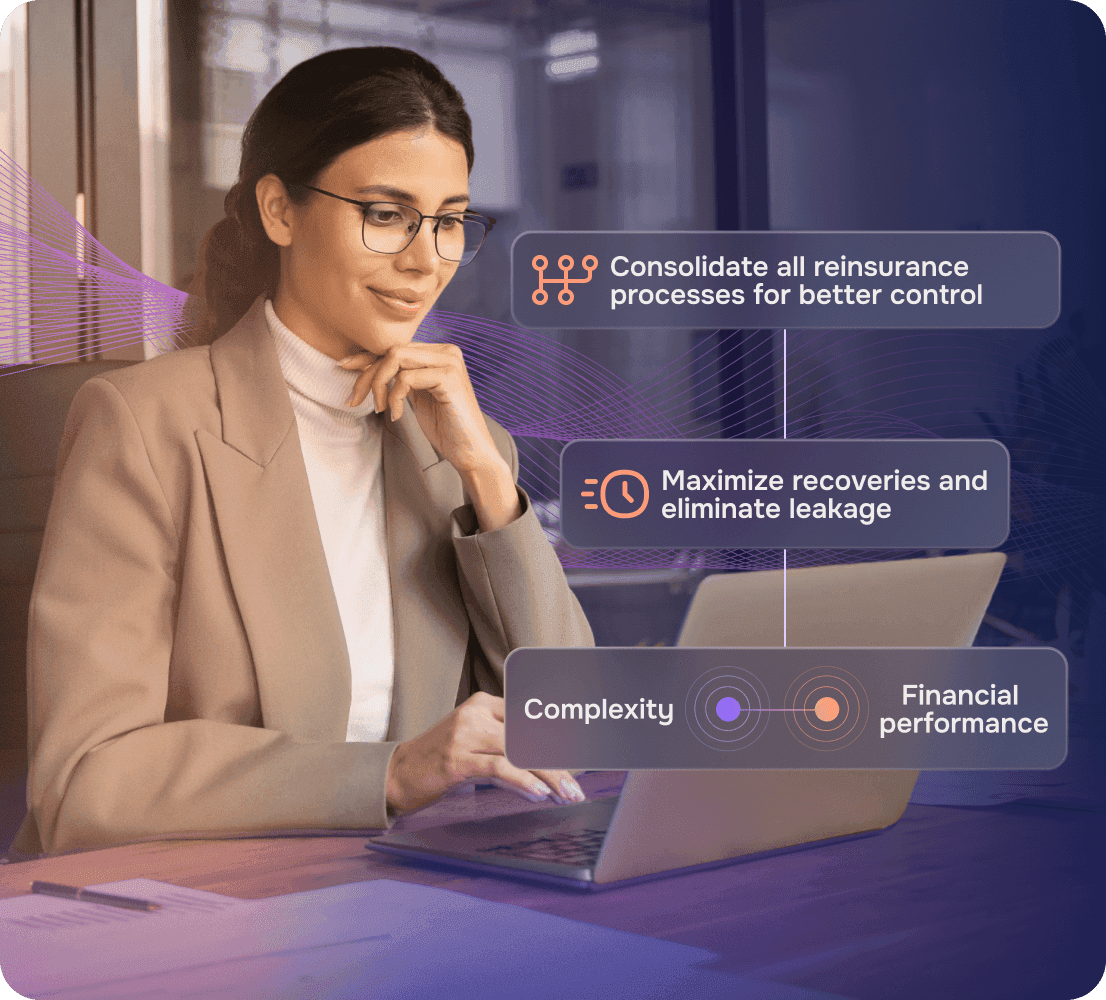
P&C insurers shift to AI-driven operating models amid volatility
P&C carriers are moving from isolated digitization to AI-ready operating models. The budget priority in 2026 is software that improves pricing, claims, data, and governance.
The pressure on P&C insurers is no longer just about more claims or tougher competition. It is about whether the operating model can absorb volatility fast enough to protect margin, keep regulators comfortable, and give customers the speed they now expect. The clearest message for CIOs, COOs, and business-line leaders is that AI is becoming infrastructure, not an experiment.
From patchwork modernization to operating model redesign
The old pattern was to automate a single handoff, then call the project transformation. That is no longer enough. Deloitte’s 2026 outlook says global P&C premium growth is expected to decline through 2026 as competition intensifies, rate momentum fades, and cost pressures from tariffs and reserve adjustments continue to bite. In that environment, carriers cannot rely on business as usual or on siloed tools that improve one step while leaving the rest of the value chain untouched.
What is replacing that approach is an AI-driven operating model built around shared data and decision logic. Underwriting, pricing, claims, and service are being tied together so that each function can see the same risk picture and act on it faster. That is why smart underwriting workbenches, unified pricing platforms, and insights-ready data architectures matter so much: they are not just digital conveniences, they are the plumbing for a more coherent insurance enterprise.
Where the immediate software money should go
The most urgent investment themes are the ones that change how work gets done every day. Pricing agility sits near the top of the list because the market is moving too quickly for static rate tables and slow update cycles. A unified pricing platform can help carriers react to changing loss trends, manage segment-level profitability, and give product teams a cleaner way to defend rate moves.
Catastrophe intelligence is another immediate priority. Triple-I said in May 2026 that the U.S. P&C industry showed improving underwriting conditions in 2025 after years of elevated catastrophe losses, inflation-driven claims costs, and post-pandemic volatility. Even with that improvement, carriers still need better exposure insight, event response, and portfolio steering tools if they want to avoid being surprised by the next weather season or accumulation event.
Claims automation belongs on the same near-term list. It is where customers feel delay most acutely, and it is also where AI can help with triage, document review, fraud flags, and routing. The new twist is that governance has to be built into the workflow, because AI-generated or AI-edited claims materials are creating fresh fraud concerns. A claims platform now has to do more than move files faster. It has to verify, explain, and preserve trust.
Data modernization is the fourth immediate investment, and it underpins all the others. McKinsey says legacy P&C core systems built for a slower, paper-driven model are no longer fit for purpose. Cloud-based, scalable solutions are needed for automation, real-time analytics, and ecosystem connectivity, and large-scale SaaS platforms built for cloud operations and deep integration are now viable at scale. That is a major shift from the market a decade ago, when core replacement often felt too risky, too expensive, or too limited.
What is still mostly narrative versus what is operational
Not every theme deserves the same budget treatment. Agile capital models and alternative revenue streams may be important strategic ideas, but they do not change the operating rhythm of a claims team or an underwriting desk the way a better data architecture does. Likewise, broad talk about “modernization” only becomes meaningful when it is translated into specific system capabilities: straight-through processing, shared risk scoring, integrated document handling, and a common audit trail.
Deloitte’s guidance points in the same direction. The firm says insurers need to execute real AI use cases at scale and strengthen data foundations, architecture, and security. That is a practical framing, because the hard part is not agreeing that AI matters. The hard part is deciding which workflows should be re-engineered first, what data they require, and how to keep those systems safe enough to pass internal and regulatory scrutiny.
Why underwriting is the proving ground
Underwriting shows the change most clearly because it sits between market strategy and front-line execution. Accenture surveyed 430 senior underwriting executives across Life, Commercial, and Personal Property and Casualty and found AI adoption in underwriting is expected to rise from 14% today to 70% in the next three years. It also found that 81% of executives believe AI and gen AI will create new roles, which says a lot about how much the function is expected to evolve.
The problem the survey highlights is not subtle. Underwriting still relies heavily on static PDFs, fragmented systems, and manual data entry, all of which slow down decision-making. That is exactly why a smart underwriting workbench matters: it gives underwriters a workspace where data, triage, referral, pricing logic, and collaboration live together instead of across disconnected tabs and inboxes. Accenture’s reminder that the word “underwriter” traces back to 17th-century London maritime insurance is a neat historical footnote, but it also underscores how long this function has resisted structural change.
What the GenAI numbers say about buyer behavior
EY’s 2026 survey findings show how quickly the conversation is shifting from pilots to productivity. Insurers expect average cost savings of more than 20% over the next two years from AI-related productivity improvements. At the same time, 56% are prioritizing front-office GenAI use cases, and 63% of P&C carriers, L&A carriers, group benefits providers, and brokers are making similar investments.
That does not mean every GenAI project is equally valuable. It does mean buyers are increasingly looking for tools that improve customer-facing work such as submission handling, agent support, service response, and claims communication. The winners will be the systems that can pair speed with control, so that productivity gains do not come at the expense of compliance, explainability, or consistency.
Governance is now part of the product decision
The regulatory backdrop makes that balance unavoidable. The NAIC model bulletin says AI used by insurers must comply with all applicable insurance laws and regulations, including unfair trade practices and unfair discrimination rules. Regulators also expect governance, transparency, accountability, and safe, secure, fair systems. That means every serious purchasing decision now has to answer a harder question: not just what the software can do, but whether it can prove how it did it.
For 2026 budgets, that shifts the buying conversation away from one-off automation and toward integrated ecosystems. The most credible platforms are the ones that connect pricing, underwriting, claims, and service through shared data and decisioning, while giving leaders enough visibility to defend outcomes internally and externally. In a market defined by volatility, the competitive edge goes to insurers that make intelligence the operating model, not the side project.
This article was produced by Prism’s automated news system from verified source data, official records, and press releases, then run through automated quality and moderation checks before publishing. The system is built and supervised by the people who set the standards it runs under. Read our full AI policy.
Did this article answer your question?