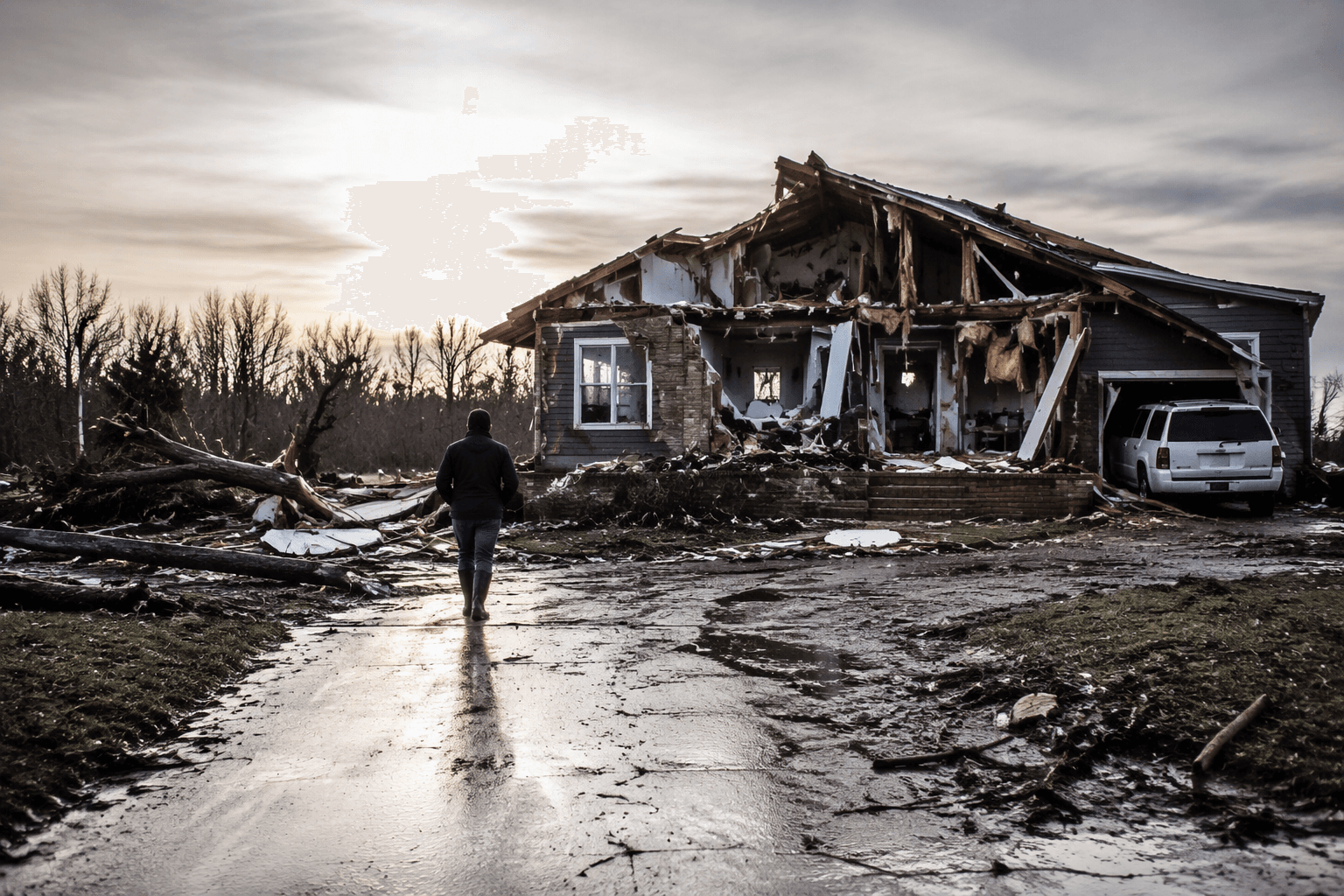
Property intelligence reshapes catastrophe response for insurers, claims teams
Property intelligence is turning catastrophe response into a routing problem, with Aon, Nearmap and others speeding claims triage, dispatch and customer outreach.
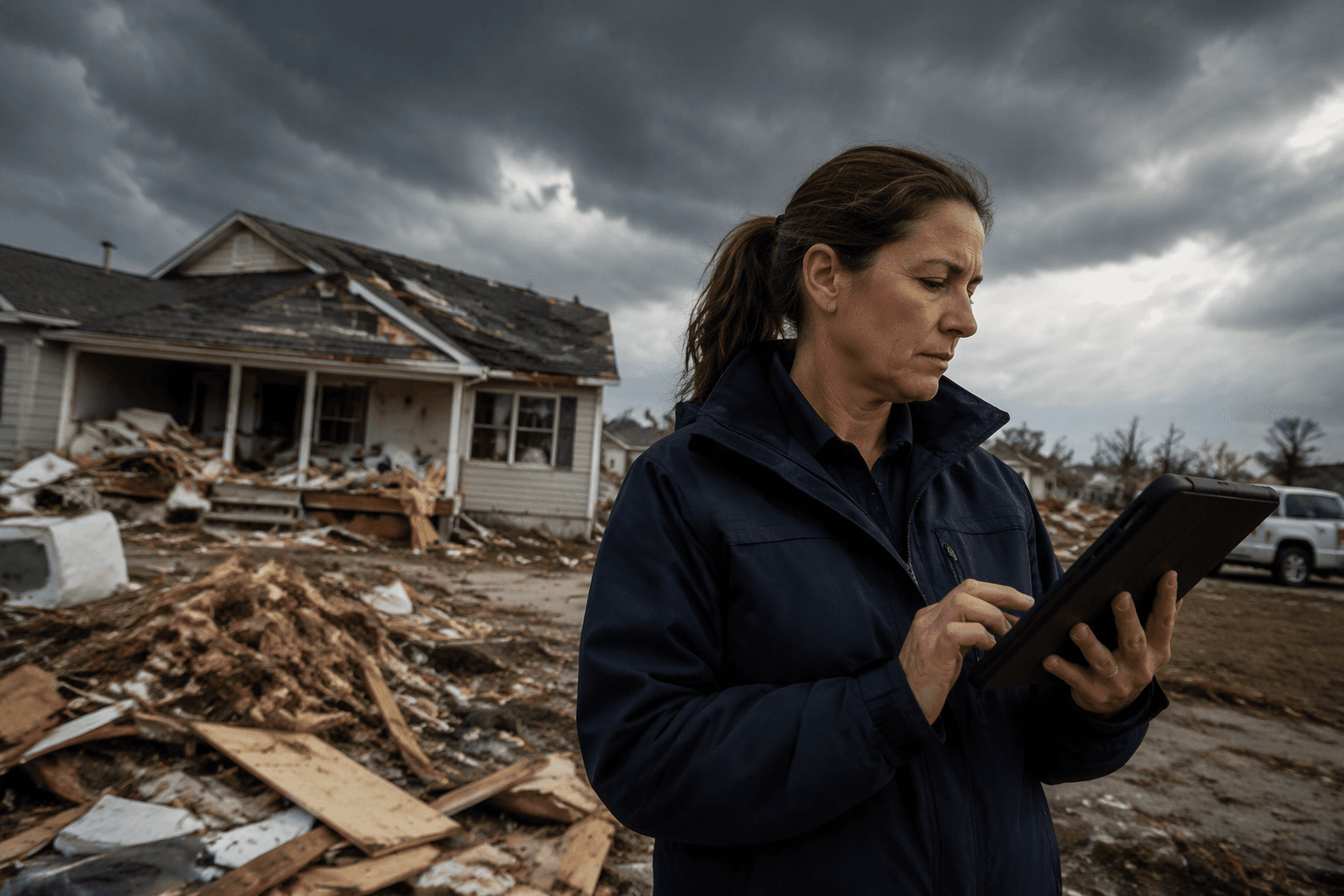
Building-level data, geospatial layers, hazard signals, and post-event imagery can move claims action within hours, not days, when storms, fires, or floods hit. The fastest carriers are no longer just the ones with the biggest field team. That shift is reshaping first notice of loss routing, adjuster deployment, and customer communication across the P&C stack.
How property intelligence changes the first 24 to 72 hours
Property intelligence gives claims operations a more precise view of what happened at the address level. Instead of waiting for manual reports to pile up, insurers can match policy exposure to event footprints, flag likely damage, and decide which losses need immediate escalation.
The operational gain is not just faster visibility. It is better triage. A carrier can send adjusters first to properties with higher severity potential, push simple claims into lighter-touch handling, and route the most complex losses to specialized teams before delays compound leakage. In practice, that means claims assignment, inspection scheduling, contact center workflows, and mobile adjuster tools all have to work from the same event picture.
Nearmap says “every minute matters.” Its catastrophe-response toolkit is built around aerial imagery and related workflows that help insurers respond while the event is still unfolding or immediately afterward. Nearmap launched AI products on July 18, 2023, to improve the P&C insurance claims experience using post-catastrophe aerial imagery, with ImpactResponse aimed at damage detection, claims adjustment, and customer response.
A useful way to think about the data stack is in layers:
- Building-level attributes that identify what was exposed
- Geospatial information that places those properties inside the event footprint
- Hazard attributes that show the type and likely severity of the peril
- Imagery that confirms damage patterns after the event
- Claims and exposure data that tells the carrier where to act first
Where the vendor stack fits
Aon sits closest to the orchestration layer. On September 8, 2025, it launched an enhanced Event Analytics platform for catastrophe response, and its data showed only 54 percent of insurers were using catastrophe models to guide event response.
Aon expanded its Automated Event Response service on March 26, 2026, to include U.S. severe convective storms. The service is intended to help insurers manage losses, deploy resources, and respond quickly to policyholders during active weather events. Aon described U.S. severe convective storms as one of the most volatile sources of losses. The peril is the costliest insured peril of the 21st century.
Nearmap plays a different role. Its catastrophe-response offering is built around post-event imagery and AI support for damage detection and customer response, which makes it especially useful when claims teams need visual confirmation before sending an adjuster or making a rapid severity call. Cotality focuses more directly on workflow automation, marketing claims-dispatch automation for property claim dispatch and resource allocation automation. Esri positions claims management software around improving time to close after disasters, while Verisk sells weather-risk data products for insurance companies.
A simple comparison helps separate the pieces:
| Vendor | Primary role in catastrophe response | Operational value |
|---|---|---|
| Aon | Event analytics and automated event response | Helps insurers consolidate event data, guide response, and deploy resources faster |
| Nearmap | Post-catastrophe aerial imagery and AI | Supports damage detection, claims adjustment, and customer response |
| Cotality | Claims dispatch automation | Automates property claim dispatch and resource allocation |
| Esri | Claims management software | Aims to improve time to close after disasters |
| Verisk | Weather-risk data | Supplies weather-risk data products for insurers |
What a modern CAT workflow needs to do
A modern catastrophe stack should do more than store claims records. It has to decide which claims are urgent, surface the external data that explains why, and move the work into the right queue without forcing staff to swivel between systems.
The most useful systems can:
- Ingest event feeds quickly
- Cross-reference exposure data against impacted geographies
- Rank claims by urgency and potential severity
- Trigger adjuster assignment and inspection scheduling
- Push updates into contact center and policyholder communication workflows
- Support mobile field work with imagery and location data
After severe convective storms, hurricanes, wildfires, floods, or earthquakes, manual dispatch can become the bottleneck.
Why the regulatory and operating pressure is rising
On June 5, 2025, the New York Department of Financial Services issued Insurance Circular Letter No. 3 on disaster planning, preparedness, and response by the property/casualty insurance industry.
Disaster planning has moved deeper into the core systems conversation. Carriers need stronger integration between data providers, claims systems, analytics tools, and field operations. They also need workflows that can handle the first wave of losses without losing the higher-severity cases in the noise.
This article was produced by Prism’s automated news system from verified source data, official records, and press releases, then run through automated quality and moderation checks before publishing. The system is built and supervised by the people who set the standards it runs under. Read our full AI policy.
Did this article answer your question?