Verisk adds KatRisk to Model Exchange, expands catastrophe risk access
Verisk brought KatRisk into Model Exchange, putting more catastrophe models inside one governed exchange just as insurers need faster ways to price volatile property risk.
Verisk has added KatRisk to Model Exchange, widening access to catastrophe models inside a platform the company says already connects clients to 300-plus third-party models, more than 400 risk perils and 20-plus model providers. The move matters because property insurers are under pressure to make faster, sharper decisions on exposure, pricing and reinsurance as losses rise and climate-driven volatility keeps rewriting the hazard map.
Verisk said Model Exchange is a vendor-neutral, cloud-based ecosystem built to let insurers and reinsurers evaluate, select, encode, transfer and interpret models within standardized frameworks. That kind of access changes the workflow inside P&C software stacks. Instead of forcing teams to live with a narrow set of proprietary views of risk, a broader exchange can give exposure managers more ways to test portfolios, pricing teams more ways to calibrate rates and reinsurance buyers more ways to compare catastrophe assumptions before they commit capital.
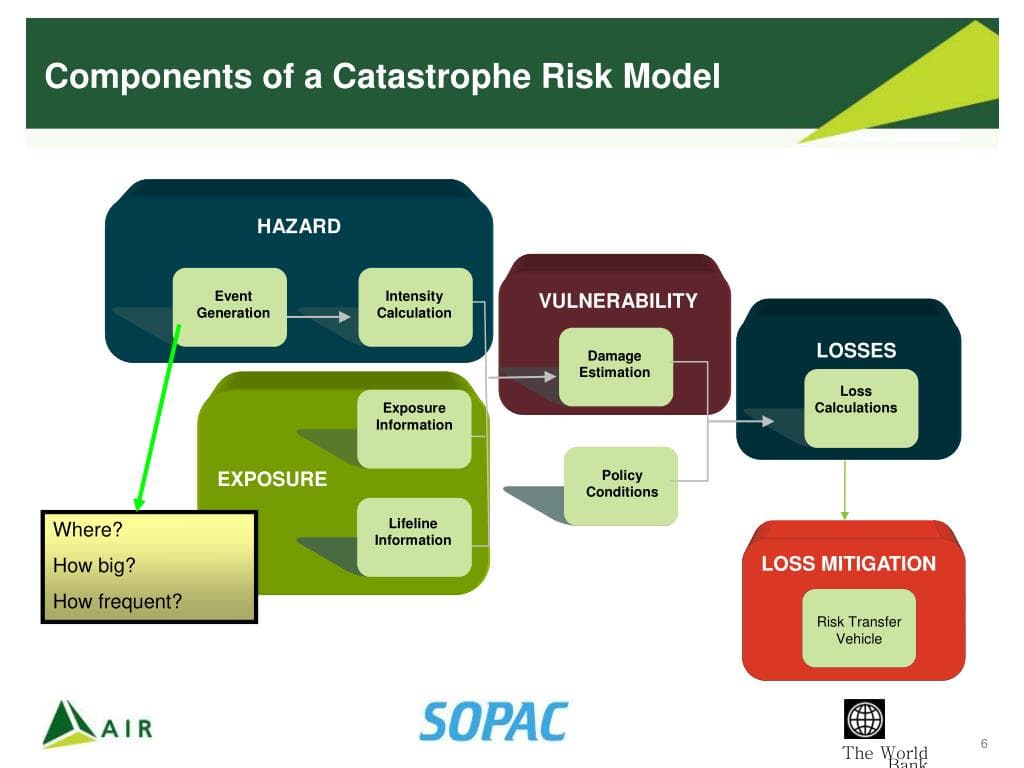
The platform itself is not new. Verisk said Model Exchange was formerly Nasdaq Risk Modelling for Catastrophes, which Verisk acquired in 2025, and that it is powered by the OASIS Loss Modelling Framework, an industry standard for open-source catastrophe risk modelling. Verisk has framed catastrophe modeling as the “currency” by which risk is priced, transferred, and traded, and it has tied that argument to increasingly severe natural catastrophes, climate change and shifting regulatory mandates. In that context, bringing KatRisk into the exchange looks less like a standalone partnership and more like a bet that model access should function like a market infrastructure layer.
KatRisk brings its own footprint to the exchange. The company says it was founded in 2012 and serves clients in more than 190 countries. Its model set covers floods, storm surge, hurricanes, hail, wildfires, tornadoes and severe convective storm risk, and KatRisk says its SpatialKat platform uses 50,000-year simulation event sets. KatRisk also introduced two business segments, KatRisk Intelligence and KatRisk Technology, on May 12, 2026, underscoring how aggressively it has been reorganizing its product and operating model.
The larger signal for insurers is that model choice is becoming a software strategy, not just an actuarial one. A governed exchange that can host multiple catastrophe views helps teams compare assumptions across geographies, blend vendor outputs with internal views of risk and move faster from hazard analysis to underwriting action. In a market where the protection gap remains wide and property risk keeps shifting, more open access to catastrophe modeling is becoming part of the infrastructure of competitiveness.
This article was produced by Prism’s automated news system from verified source data, official records, and press releases, then run through automated quality and moderation checks before publishing. The system is built and supervised by the people who set the standards it runs under. Read our full AI policy.
Did this article answer your question?