Colorado researchers develop nonhormonal therapy for menopause symptoms
Colorado researchers built a nonhormonal therapy that targets vaginal tissue, aiming to repair GSM where over-the-counter products only soothe it.
.png&w=1920&q=75)
Researchers at the University of Colorado Anschutz developed a nonhormonal therapy for genitourinary syndrome of menopause, or GSM, a condition that can damage the vulva, vagina and urinary tract after estrogen levels fall. The approach is meant to restore estrogen signaling only within vaginal tissue, without exposing the rest of the body to estrogen, a design aimed at women who want relief but do not want systemic hormone therapy.
GSM is a progressive hypoestrogenic condition that commonly shows up as vaginal dryness, painful intercourse and recurrent vaginal or urinary tract infections. It also can involve vaginal, vulvar and urinary symptoms that affect quality of life, sexual satisfaction and relationships, and it usually worsens over time without treatment. Clinical reviews estimate it affects about 27% to 84% of postmenopausal women, while an American Journal of Obstetrics & Gynecology review put the figure at more than half and found it is greatly underdiagnosed because symptoms can be hard to discuss.
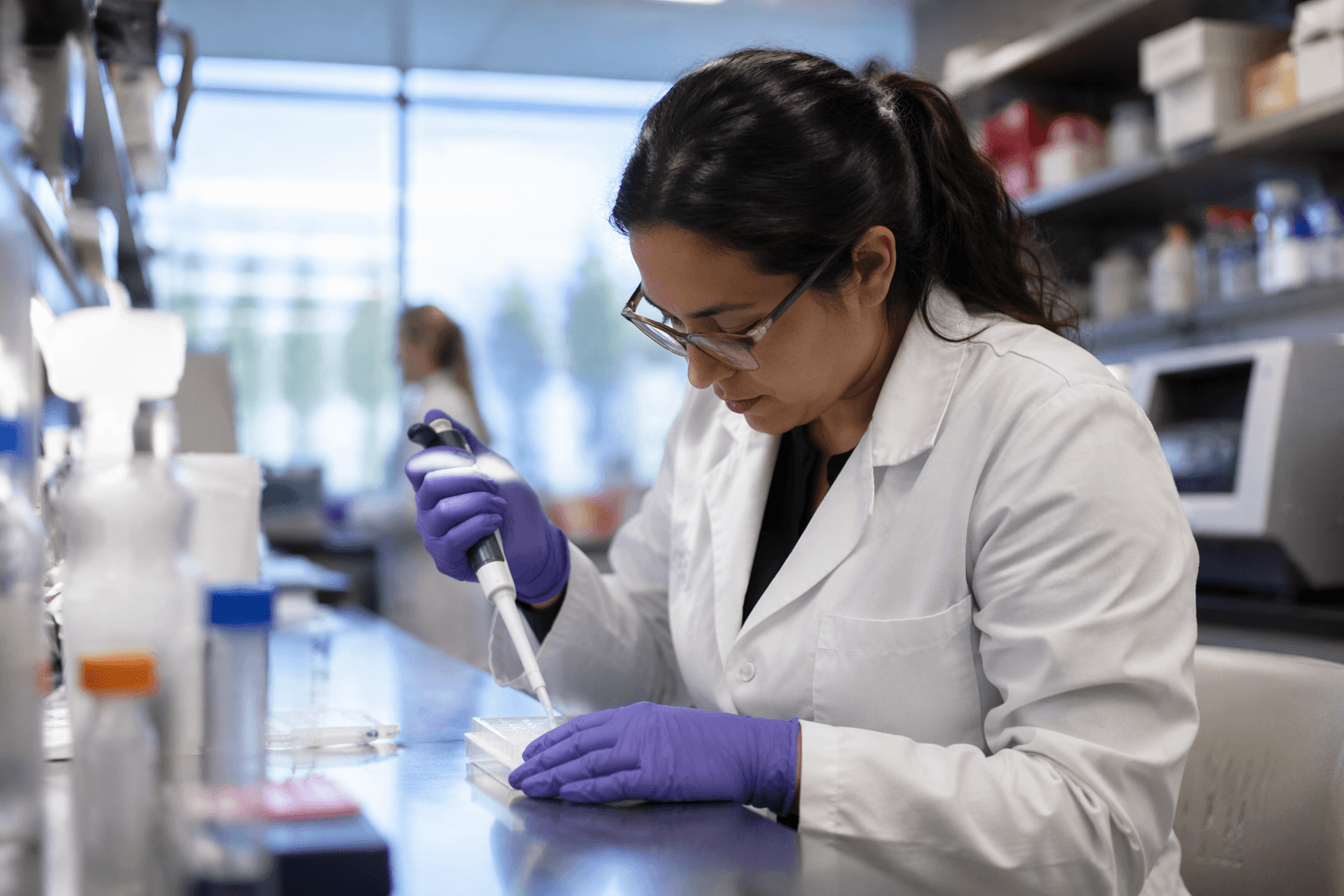
Steve Nordeen is the senior author, and current over-the-counter products can ease symptoms briefly, but they do not repair tissue damage. Guidelines place nonhormonal options first for mild GSM symptoms, while low-dose vaginal estrogen remains a highly effective option for more moderate to severe cases. Other FDA-approved treatments include vaginal DHEA and ospemifene, and treatment choices for people with a history of estrogen-dependent breast cancer are often individualized, sometimes with oncology input. The American College of Obstetricians and Gynecologists has dedicated guidance for those cases.
The Colorado therapy is still part of the research pipeline, not a routine option in clinic. The CU Anschutz Menopause Clinic serves women through perimenopause, menopause and beyond.
This article was produced by Prism’s automated news system from verified source data, official records, and press releases, then run through automated quality and moderation checks before publishing. The system is built and supervised by the people who set the standards it runs under. Read our full AI policy.
Did this article answer your question?