Study links perimenopause to memory decline and hippocampal shrinkage
A 12-month study linked falling estradiol and BDNF to smaller hippocampal volume and weaker memory in 150 perimenopausal women. The brain changes tracked with a 2.8% hippocampal drop.
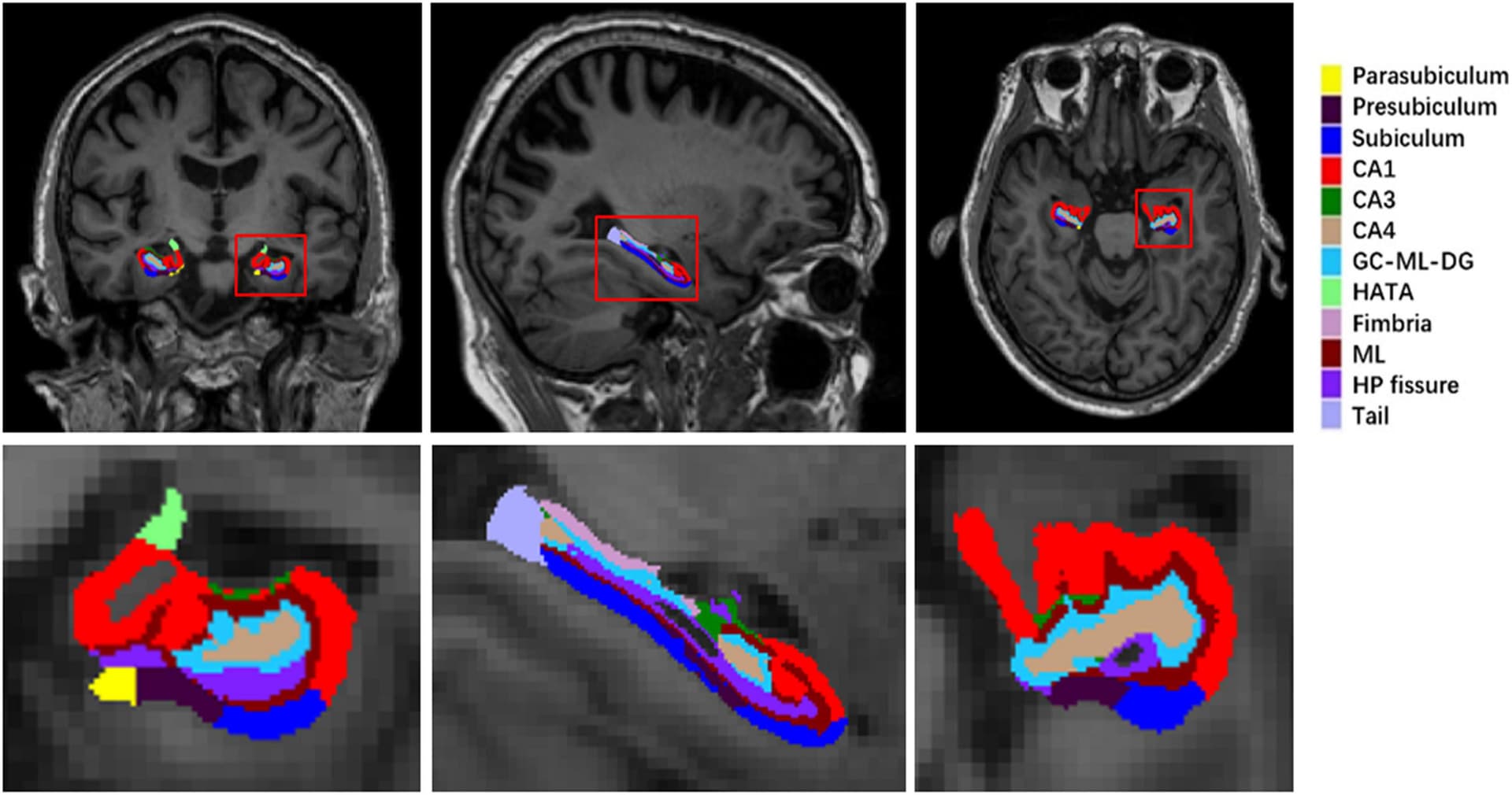
A 2.8% reduction in bilateral hippocampal volume tracked with sharper memory declines in 150 perimenopausal women over 12 months, alongside falling estradiol, lower BDNF and rising inflammatory markers. The finding shows association, not proof that hormone change alone caused the cognitive decline.
Researchers at Ganzhou Women and Children's Health Care Hospital in Ganzhou, Jiangxi, China published the work online June 27, 2026 in Experimental Gerontology. The study compared the perimenopausal group with 80 premenopausal controls and tracked both groups for 12 months, measuring serum estradiol by LC-MS/MS, BDNF and cytokines such as IL-6 and TNF-alpha by ELISA, cognition with standardized neuropsychological tests, and hippocampal structure and function with 3-Tesla MRI. The imaging analysis used FreeSurfer and SPM12.
The biochemical pattern was consistent across the year: perimenopausal women showed lower estradiol and BDNF, with higher IL-6 and TNF-alpha, while the premenopausal controls stayed largely stable. Those shifts lined up with poorer performance on hippocampal-dependent tasks, including verbal, visuospatial and working memory. Functional activation during memory encoding was reduced.
Falling estradiol was associated with lower BDNF, higher inflammatory markers and smaller hippocampal volume, and BDNF plus inflammation together explained 38% of the relationship between estradiol decline and memory impairment.
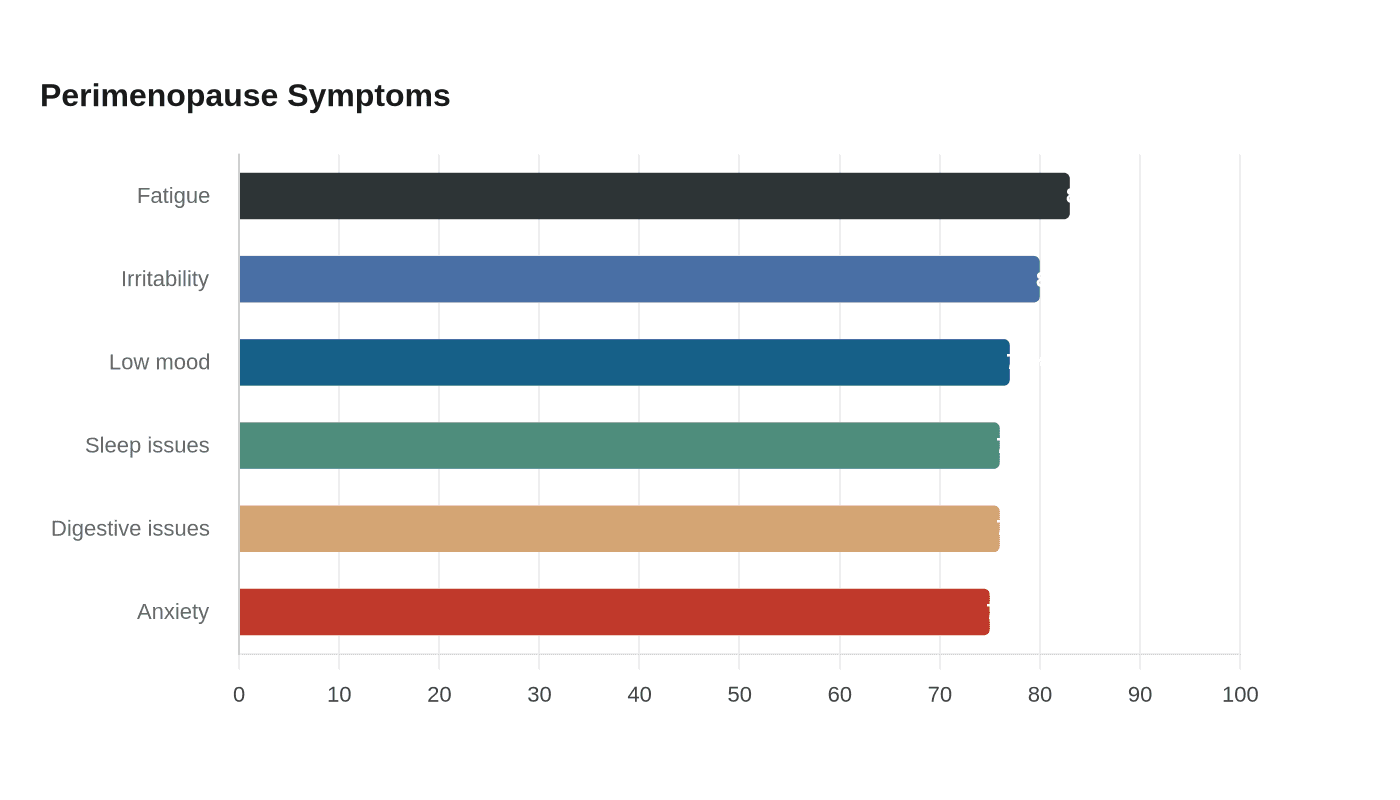
Perimenopause can begin in the 30s and lasts about six years on average, yet it remains less recognized than menopause itself. In a Mayo Clinic and Flo survey of 17,494 people across 158 countries, women 35 and older most often reported fatigue and exhaustion, both at 83%, followed by irritability at 80%, low mood at 77%, sleep problems and digestive issues at 76% each, and anxiety at 75%. Respondents most often associated perimenopause with hot flashes, sleep problems and weight gain, leaving cognitive complaints in the background.
A 2024 Weill Cornell Medicine study found progressively higher estrogen-receptor density in perimenopausal and postmenopausal women than in premenopausal controls, a pattern the researchers interpreted as possibly compensatory. A 2020 review by Pauline Maki and Rebecca Thurston found estradiol is only part of the picture and that menopausal symptoms, especially vasomotor symptoms, matter for cognition and brain function too.
This article was produced by Prism’s automated news system from verified source data, official records, and press releases, then run through automated quality and moderation checks before publishing. The system is built and supervised by the people who set the standards it runs under. Read our full AI policy.
Did this article answer your question?