US survey finds low hormone therapy use in perimenopause, menopause
Roughly half the women surveyed reported vasomotor symptoms, but only 7.2% were using hormone therapy, with uptake rising sharply by income, education and peer use.

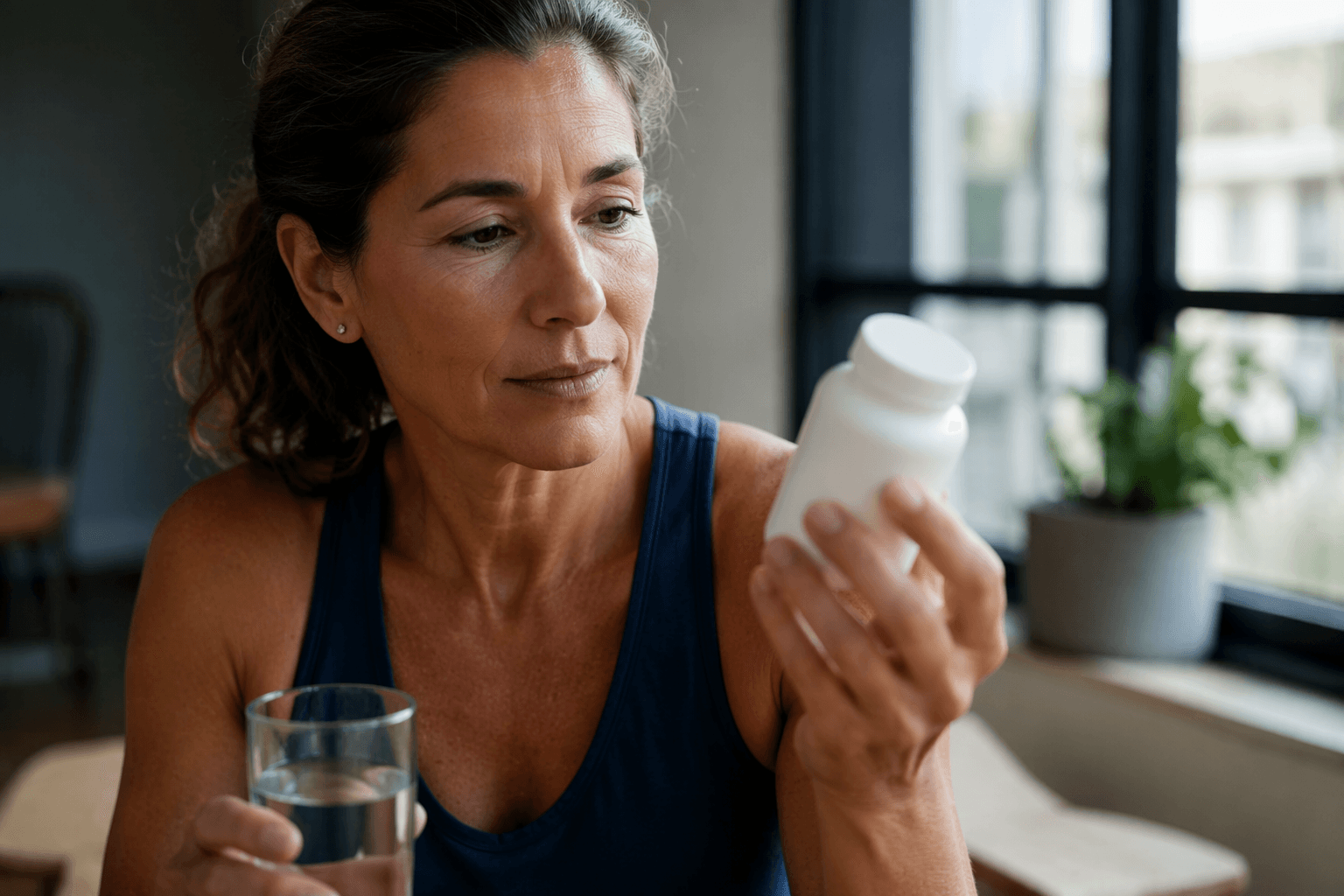
Only 7.2% of women in a nationally representative U.S. survey said they were currently using hormone therapy, even though roughly half reported vasomotor symptoms such as hot flashes and night sweats.
A February 2025 YouGov sample of 1,500 women, led by researchers from the University of Southern California and GoodRx, drew on women who had been told by a healthcare professional that they were in perimenopause or menopause, as well as women ages 45 to 54, a midlife group where symptoms often overlap with other health changes.
Education and money tracked closely with treatment. Women with a four-year college degree or higher had more than double the odds of using hormone therapy, and women with household incomes above $100,000 had about twice the odds of use compared with women earning less than $20,000. Social circles mattered too: women whose peers used hormone therapy had 3.4 times higher odds of using it themselves, while peer use of mind-body approaches was linked with a lower likelihood of hormone therapy use.

In a separate GoodRx analysis of the same survey, 21% of women said they had put off or avoided menopause treatment because of financial concerns, and most said they spent less than $50 a month on menopause-related treatments. GoodRx found list prices for menopause medications had risen about 58% over the past decade.
Mayo Clinic found hormone therapy use fell from 4.4% in 2007 to 1.7% in 2023 among U.S. women 40 and older, and only about 3.5% of women ages 50 to 59 were using it in 2023. ACOG says hormone therapy can help relieve symptoms of menopause and perimenopause, while The Menopause Society said in 2024 that women older than 65 can continue therapy in appropriate circumstances with counseling and risk assessment. In 2025 and 2026, the U.S. Food and Drug Administration reduced or removed certain boxed-warning language on some menopausal hormone therapy products.
This article was produced by Prism’s automated news system from verified source data, official records, and press releases, then run through automated quality and moderation checks before publishing. The system is built and supervised by the people who set the standards it runs under. Read our full AI policy.
Did this article answer your question?