Women’s Health Concern explains perimenopause signs, stages and symptom tracking
Perimenopause usually shows up as shifting periods first, and Women’s Health Concern says tracking the pattern matters more than hunting for a single test.
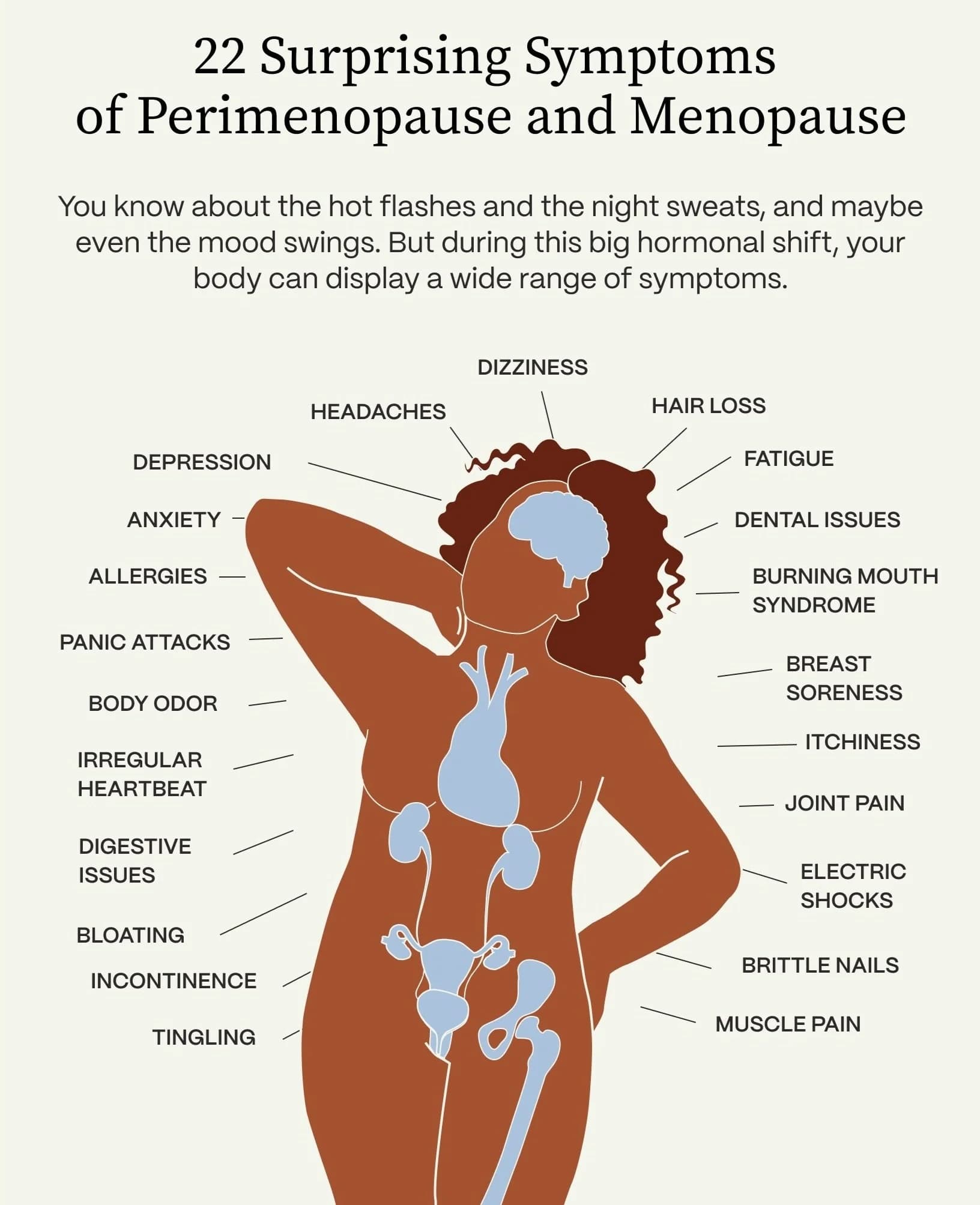
Perimenopause is rarely a clean switch. For many women, it begins with menstrual changes and a slow drift in symptoms, not a dramatic moment that confirms everything at once. Women’s Health Concern describes it as the lead-up to the end of periods, a stage that can start in the late 30s or early 40s, when hormone levels begin to fluctuate and day-to-day life can feel less predictable.
What perimenopause is, and what menopause means
The basic definition matters because it stops women from treating menopause as a single lab result. Menopause is defined as 12 consecutive months without a period, and perimenopause is the transition that leads up to that point. In practical terms, the body is changing before periods stop completely, which is why a person can have symptoms that feel unmistakably hormonal while still bleeding.
That transition is highly individual. One woman may notice only slightly irregular cycles, while another has hot flushes, mood swings and sleep disruption that arrive together. Women’s Health Concern frames this as a common and manageable stage of life, even when it is anxious or disruptive, and its factsheets are presented as evidence-based and regularly reviewed by the British Menopause Society medical advisory council.
The first signs are often in your periods
The NHS says one of the first signs of perimenopause is usually a change in periods. They may become more frequent or less frequent, and bleeding may get heavier or lighter. That pattern is important because it is often the clearest early signal that this is a transition, not a one-off bad month.
Hot flushes and mood changes are also common, and some symptoms can continue after menopause has ended. That is one reason women are often frustrated by the search for a single answer: perimenopause does not follow a neat checklist, and symptoms can vary widely from person to person. The better question is usually not, “Is this definitely perimenopause?” but, “Does this pattern fit the transition, or does it point to something else as well?”
When to look beyond a normal transition
Perimenopause can explain a lot, but it should not be used to dismiss everything. The NHS and British Menopause Society material both make room for other causes, including changes brought on by cancer treatments such as chemotherapy or hormone therapy. That matters because treatment history can shift both symptoms and timing, and the menopause transition may look different in that context.
Age also matters. The average age of menopause in the UK is 51, and menopause usually occurs between 45 and 55. Around 1 in 100 women experience menopause before age 40, which is described as premature menopause. Symptoms or cycle changes well outside the expected age range deserve a proper medical review, especially if they are accompanied by bleeding patterns that feel unusual for you or by other health concerns that do not fit a straightforward menopause explanation.
Why hormone blood tests are often not the answer
Women are frequently told, implicitly or explicitly, that they need a hormone test to prove what is happening. The British Menopause Society has pushed back on that idea. For people in the average menopause age range of 45 to 55, hormone blood tests are generally not required to diagnose perimenopause or menopause, or to manage symptoms.
That aligns with current guideline thinking. NICE updated its guideline, Menopause: identification and management, on 7 November 2024, and the overall direction of care is individualized rather than test-driven. In the common age range, diagnosis is usually based on symptoms and menstrual pattern, which is more useful than chasing a number that can fluctuate from day to day.
What symptom tracking should capture
Tracking is useful because perimenopause is a pattern over time. A simple record can show whether your periods are becoming shorter, longer, heavier or lighter, and whether symptoms cluster around certain points in the cycle. That makes conversations with a GP much more concrete than trying to remember “it’s been a bit odd lately.”
- the date of each period and how long it lasts
- whether bleeding is heavier or lighter than usual
- hot flushes, night sweats or sleep disruption
- mood changes, anxiety, irritability or low mood
- any recent chemotherapy or hormone therapy
- whether symptoms are getting more frequent, more intense or lingering after periods change
Useful things to note include:
That kind of record does not diagnose anything on its own, but it helps distinguish a normal transition from a problem that needs more investigation. It also gives you a clearer basis for asking whether symptoms are typical for perimenopause, or whether they warrant another explanation.
Why this advice is framed the way it is
The best consumer guidance does two things at once: it reassures without minimising. Women’s Health Concern does that well here, because it treats perimenopause as ordinary rather than mysterious, while still acknowledging that symptoms can be distressing and that women deserve support. It also keeps the focus on informed conversations with healthcare professionals instead of pretending that information alone is treatment.
That is the practical value of the factsheet. It explains the stage, names the usual symptoms, reminds readers that blood tests are not routinely needed in the average menopause age range, and makes clear that timing, treatment history and symptom pattern all matter. For women trying to sort a normal transition from something else, that is the right level of specificity.
This article was produced by Prism’s automated news system from verified source data, official records, and press releases, then run through automated quality and moderation checks before publishing. The system is built and supervised by the people who set the standards it runs under. Read our full AI policy.
Did this article answer your question?