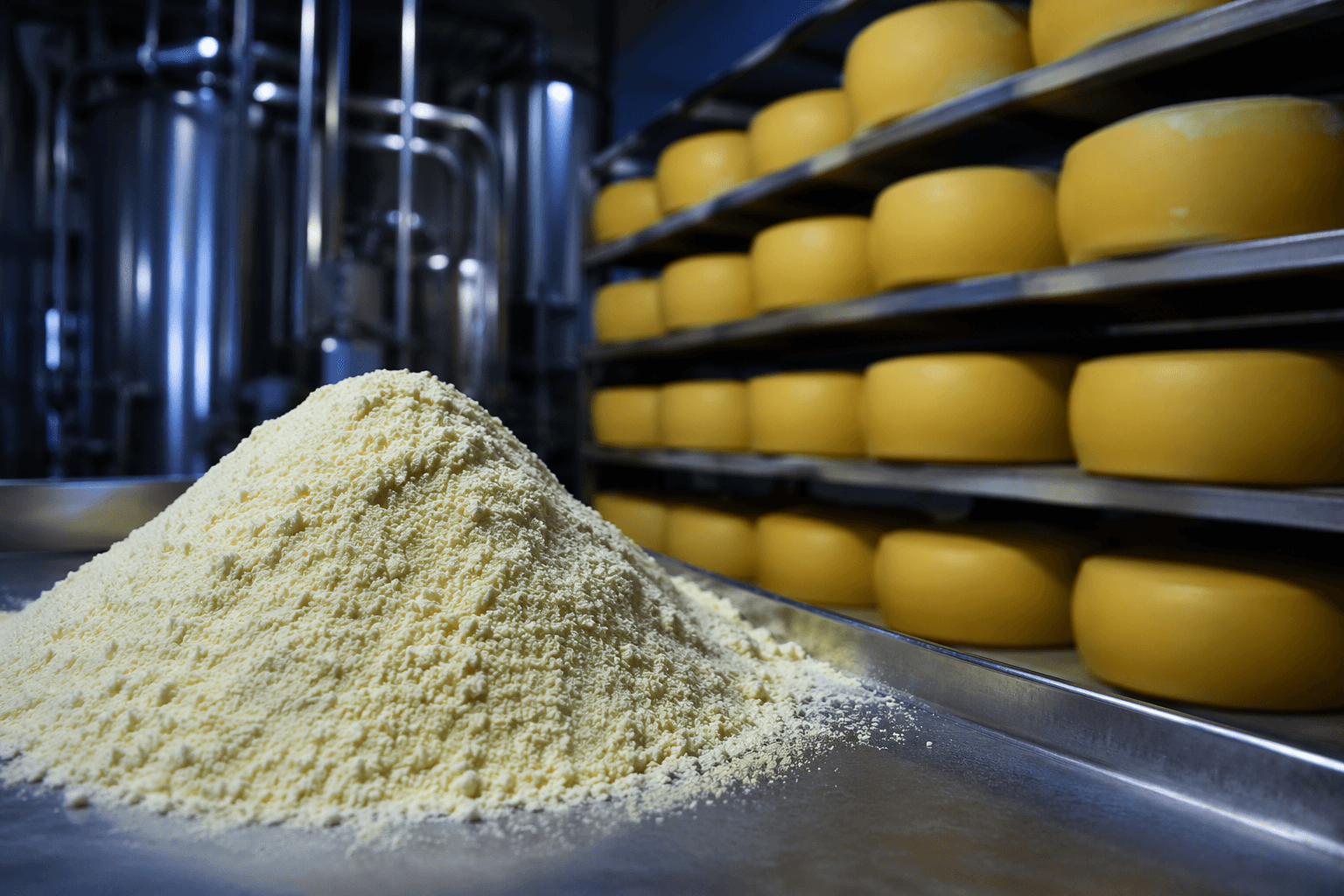
Fava beans could save Europe €42 million a year, report says
One daily fava-bean serving could save Europe €42 million a year, but the harder job is turning a minor crop into a mainstream protein system.
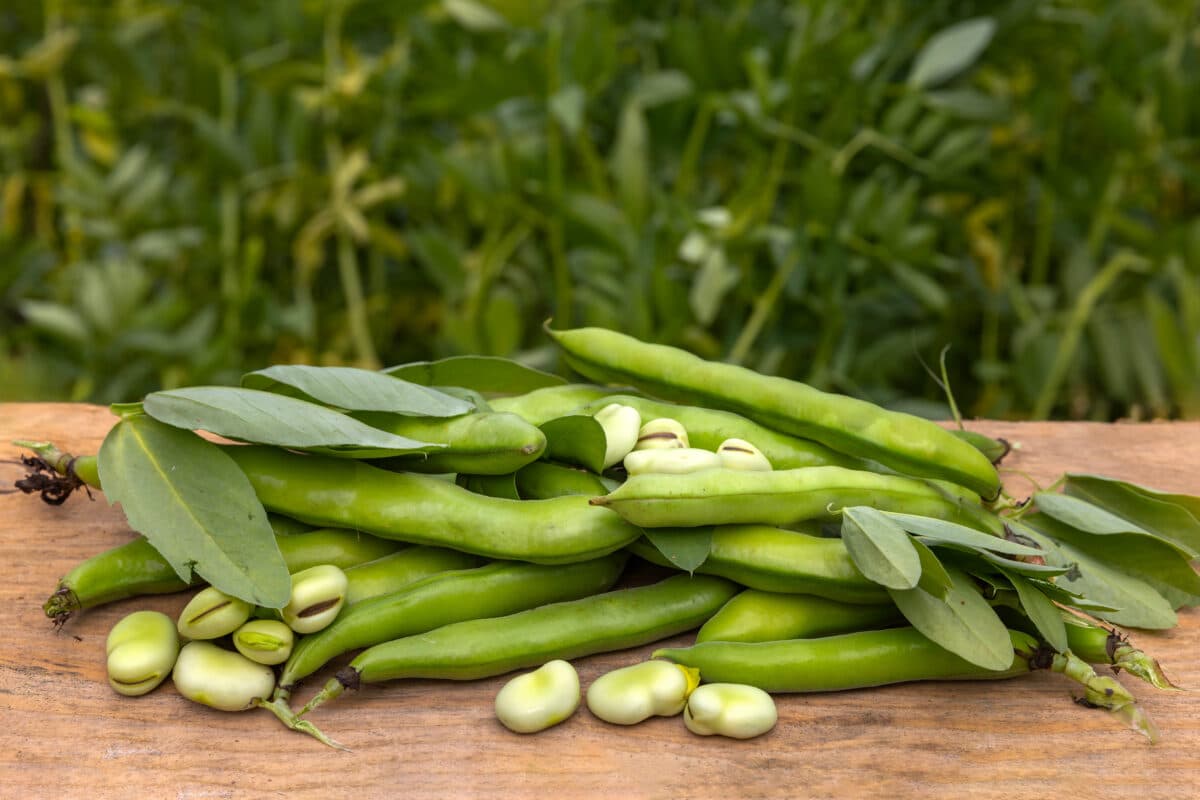
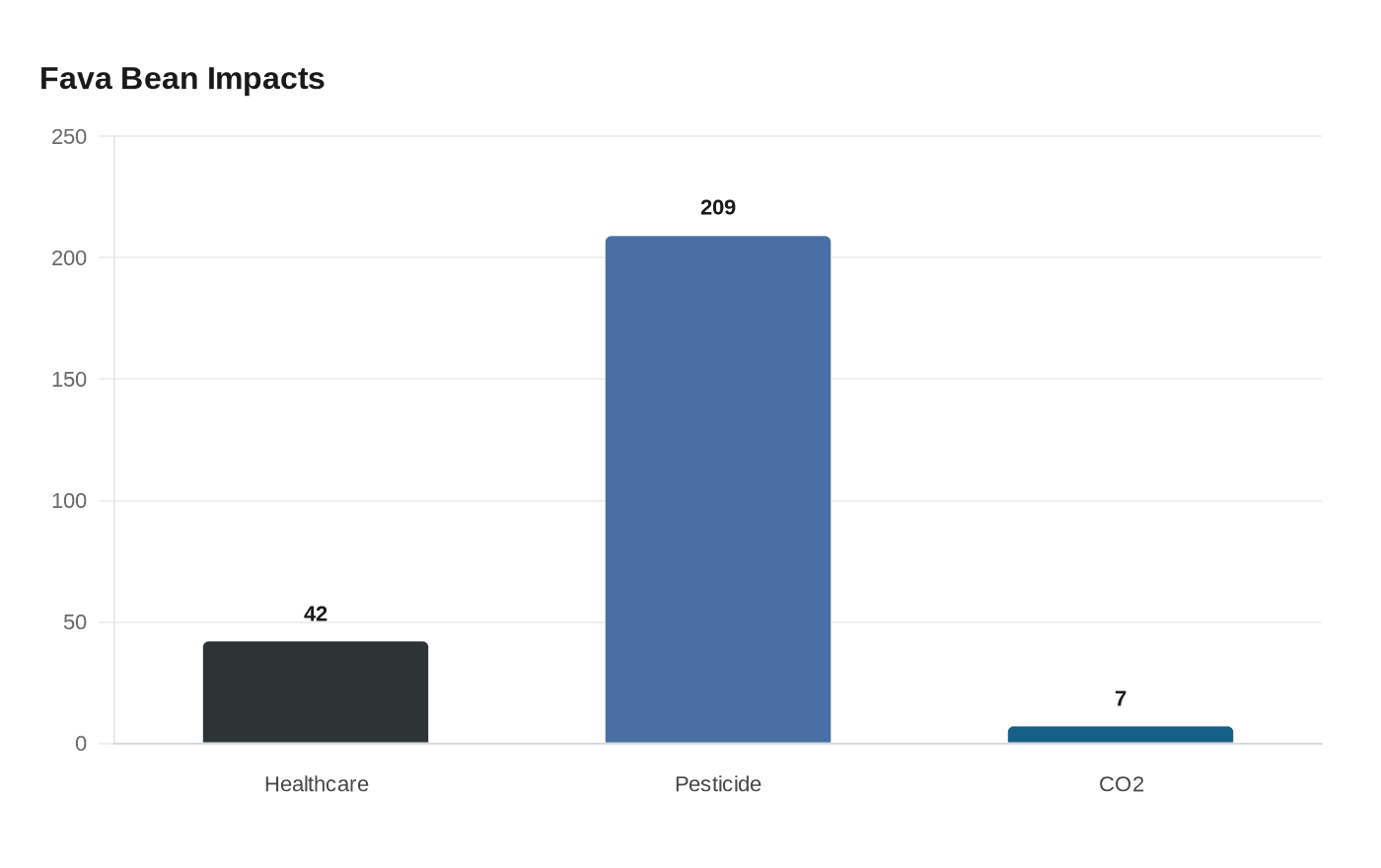
Legumes keep getting described as the quiet answer in Europe’s protein debate, and the numbers in The Protein Project’s latest fava bean roadmap explain why. The report says doubling European fava bean consumption by 2040 could save €42 million a year in healthcare costs, while also cutting global pesticide use by 209 tonnes and reducing CO2 emissions by 7 million tonnes.
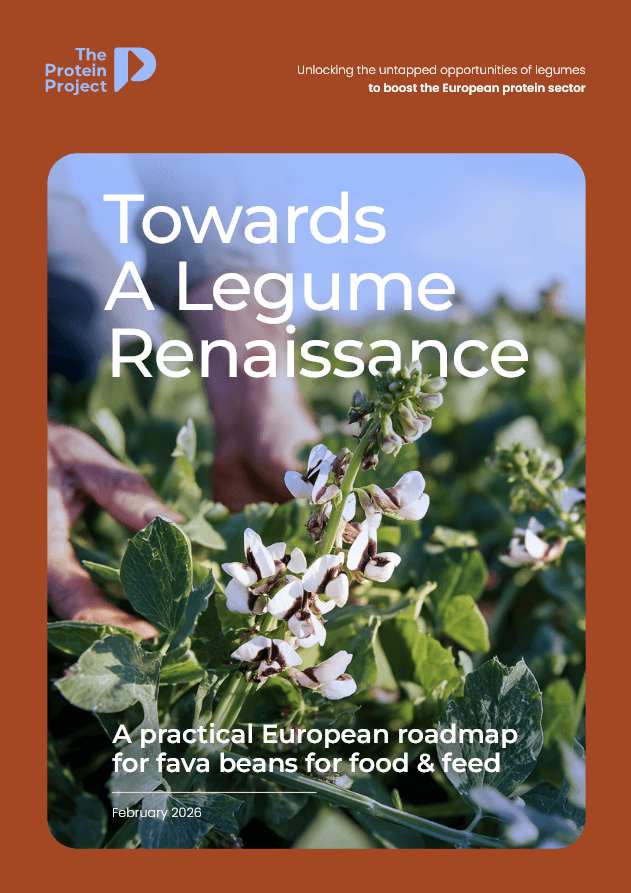
That upside is still largely unrealized because fava beans remain a minor crop in most Member States. In its report, Towards a Legume Renaissance in Europe: A Practical Roadmap for Fava Beans for Food & Feed, The Protein Project framed the crop as both a culinary ingredient and a structural protein crop, not a niche substitute or a passing trend. Legume Hub said the work was co-created with farmers, input providers, processors, retailers, food service, researchers and civil society, and that it translates findings into policy recommendations tied to the CAP, CMO, NRP, ECF and the Public Procurement Directive.
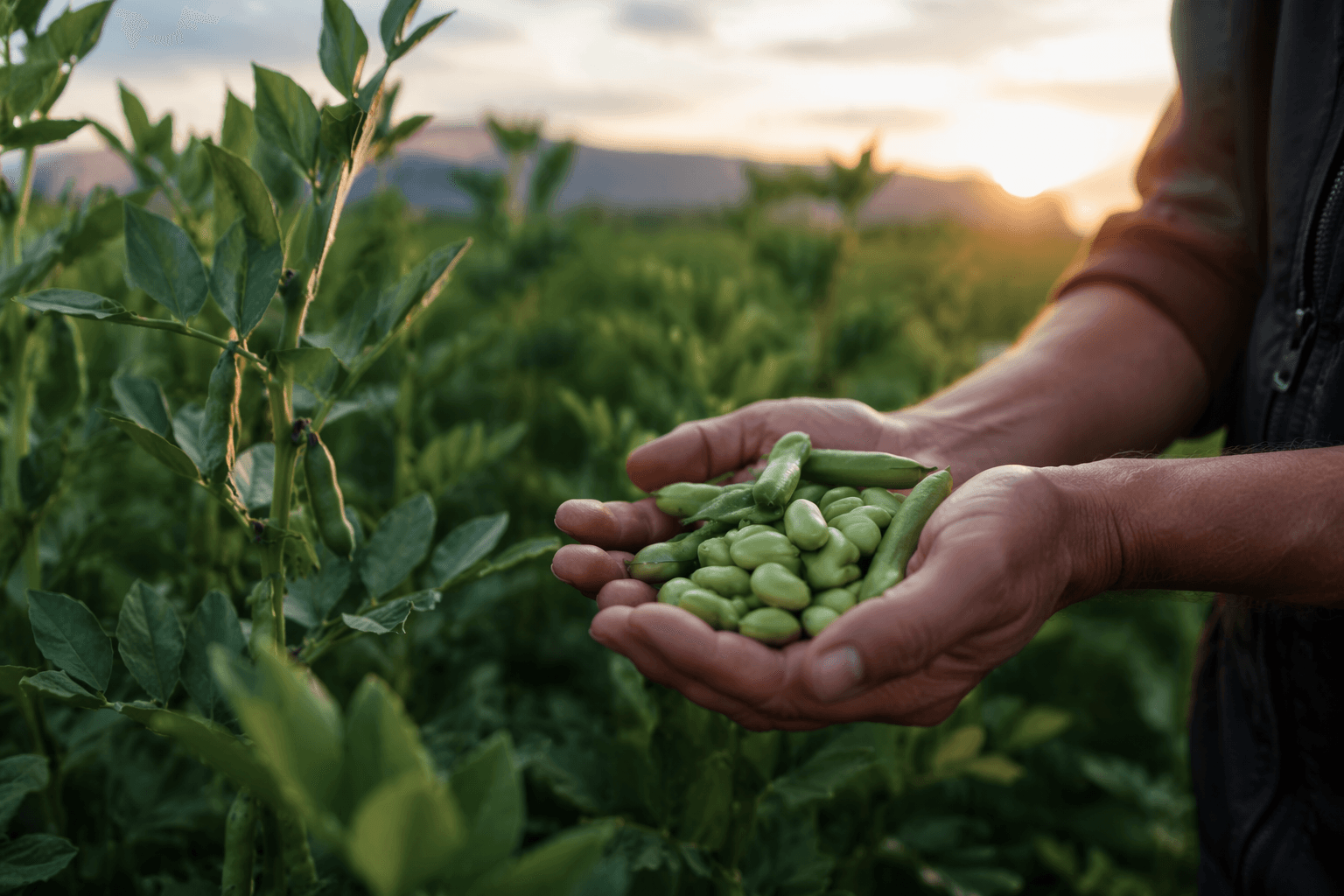
The report’s argument is less about one bean than about Europe’s protein system. Fava beans are described as Europe’s oldest cultivated legume, yet they still sit on the margins of farming and food strategy. The Protein Project says the point of the roadmap is to show what would be needed for protein crops to become a strategic pillar of Europe’s protein system by 2040, with wider legume uptake helping food security, farm income and environmental performance at the same time.
That ambition runs straight into the practical barriers keeping legumes underconsumed: the farming incentives that still favor other crops, the processing capacity needed to turn beans into ingredients and feed, the consumer habits that keep legumes off everyday plates, and the foodservice channels that can normalize them at scale. The report’s own policy list reflects that reality. CAP rules shape what farmers plant, the public procurement directive matters for canteens and institutions, and food manufacturers need reliable supply if fava beans are going to move beyond occasional products into ordinary menus.
The policy debate around protein crops has been building for years. The European Commission published a feed-protein overview on May 24, 2024, covering production, trade and domestic use across a broad range of sources and the options to diversify them. The European Parliament adopted a European protein strategy resolution in 2023, published in the Official Journal on April 29, 2024, and had already backed a protein-crops promotion resolution in 2018. FEFAC traces renewed interest in an EU Protein Plan to the 2017 EU soy declaration signed by 14 farm ministers, while Germany’s protein crop strategy dates back to 2012.
Against that backdrop, the case for fava beans is straightforward: the crop is old, the economics are modern, and the gap between the two is now a policy problem. Europe has spent years talking about protein resilience; the harder work is making beans visible in fields, factories and cafeterias at the same time.
This article was produced by Prism’s automated news system from verified source data, official records, and press releases, then run through automated quality and moderation checks before publishing. The system is built and supervised by the people who set the standards it runs under. Read our full AI policy.
Know something we missed? Have a correction or additional information?
Submit a Tip