Harvard researchers identify new lipid and coronary disease drug targets
A 1.2-million-person exome study put 209 lipid genes on the drug target map, sharpening which variants could matter for coronary disease.
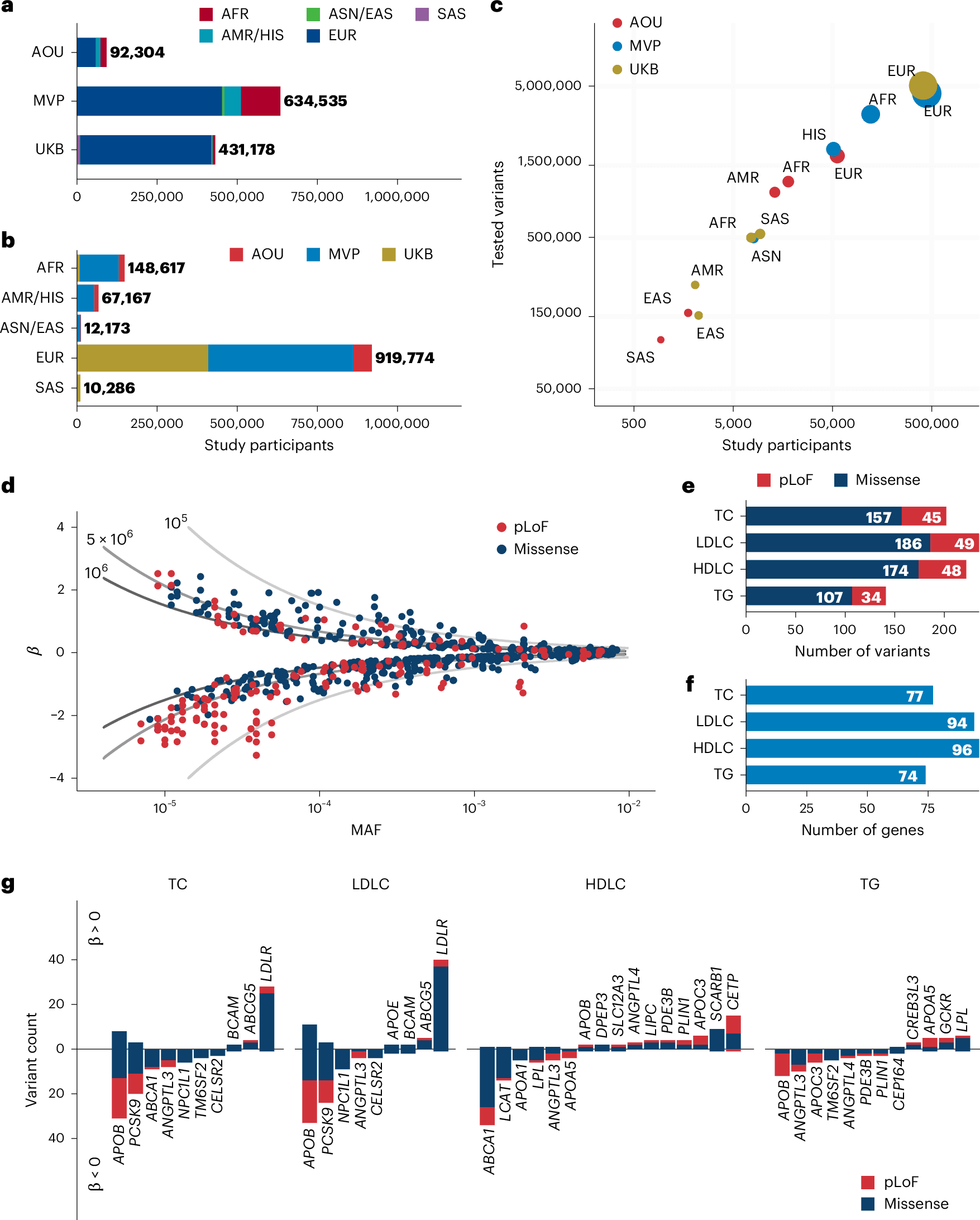
The most actionable signal in Harvard-affiliated cardiovascular genetics is no longer just where disease risk sits, but which protein-coding variants can be turned into medicine. A new exome-wide analysis of 1,158,017 people from the Million Veteran Program, UK Biobank and All of Us isolated rare coding alleles tied to genetic dyslipidemia, then elevated 209 genes associated with blood lipid traits as candidate drug targets across diverse populations.
That scale matters because it changes target confidence. When a signal holds across more than 1.1 million participants and spans multiple ancestries, it is harder to dismiss as a cohort quirk and easier to treat as a real piece of lipid biology. For coronary artery disease, the leading global cause of mortality, that is the difference between an interesting association and a credible starting point for a therapy program. The new map also improves genetic testing for Mendelian dyslipidemias, where a single damaging variant can explain a patient’s lipid profile and sharpen family risk assessment.
The best precedent for this kind of translation remains APOB and PCSK9. In earlier Harvard-affiliated work, protein-truncating variants in those genes were found in 801 individuals and were linked to 45 to 49 mg/dL lower untreated LDL cholesterol. Carriers also had a 49% lower incident coronary heart disease risk over a median 21.5 years of follow-up. That is the kind of human genetic evidence drug developers trust, because it links a specific molecular change to both biomarker improvement and hard clinical outcomes.
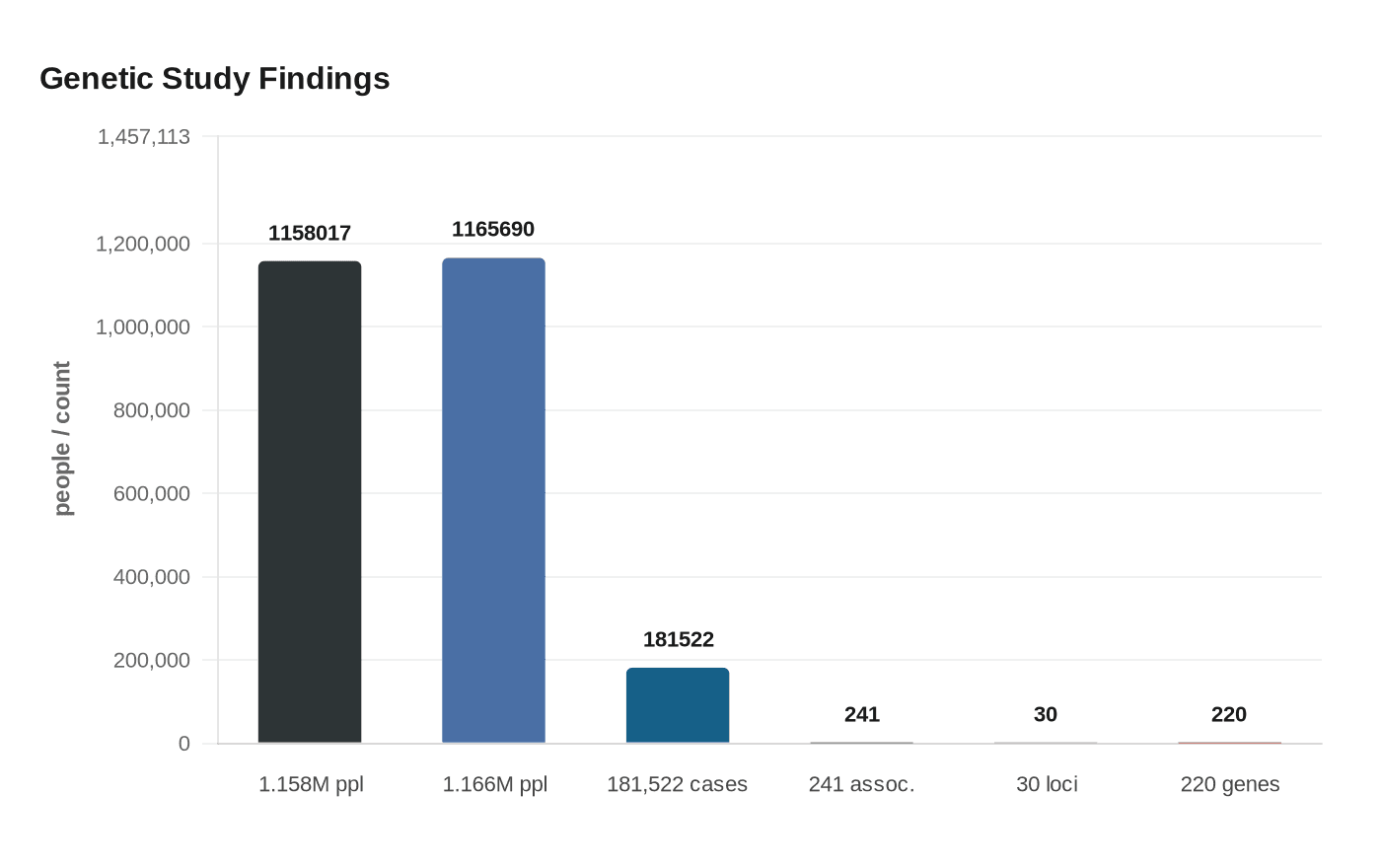
This new lipid study sits alongside a broader Harvard-led push to sort true causal biology from statistical noise. In a 2022 Nature Genetics coronary artery disease analysis, researchers examined 1,165,690 participants, including 181,522 cases, found 241 associations and 30 new loci, and prioritized 220 candidate causal genes with eight complementary approaches. The team even experimentally validated an enhancer in MYO9B with CRISPR-Cas9. A later cross-ancestry effort added a Japanese GWAS dataset and uncovered 38 more CAD loci, underscoring how ancestry breadth can surface biology that a single population misses.
The same logic reached coronary artery calcification in 2024, when researchers reported 43 candidate genes at 11 loci, including eight loci not previously tied to calcification, and noted that many of those genes encode proteins already targeted by approved drugs, supplements or investigational compounds. That is the real promise of this new wave of genetics: not just predicting who is at risk, but ranking which proteins are worth chasing next. The distance from a gene hit to an approved therapy is still long, but the path is getting much clearer.
This article was produced by Prism’s automated news system from verified source data, official records, and press releases, then run through automated quality and moderation checks before publishing. The system is built and supervised by the people who set the standards it runs under. Read our full AI policy.
Know something we missed? Have a correction or additional information?
Submit a Tip